Cannabis compounds and nicotine alter fetal lung cultures
Experiments in human fetal lung tissue from 10–16 weeks of gestation found that combined exposure induced a senescence-like state, resembling cells that have stopped dividing.
Our read
Mechanisms- Studied:
- Experiments in human fetal lung cultures
- What changed:
- Combined exposure to nicotine and cannabis induced a senescence-like phenotype in human fetal lung cultures
- The catch:
- The abstract does not report exposure doses or duration
- In the record:
- The 11th paper on cannabidiol with results in people; 54 on record in all.
Editor of record: Boris Djordjevic · AgingResearch.News
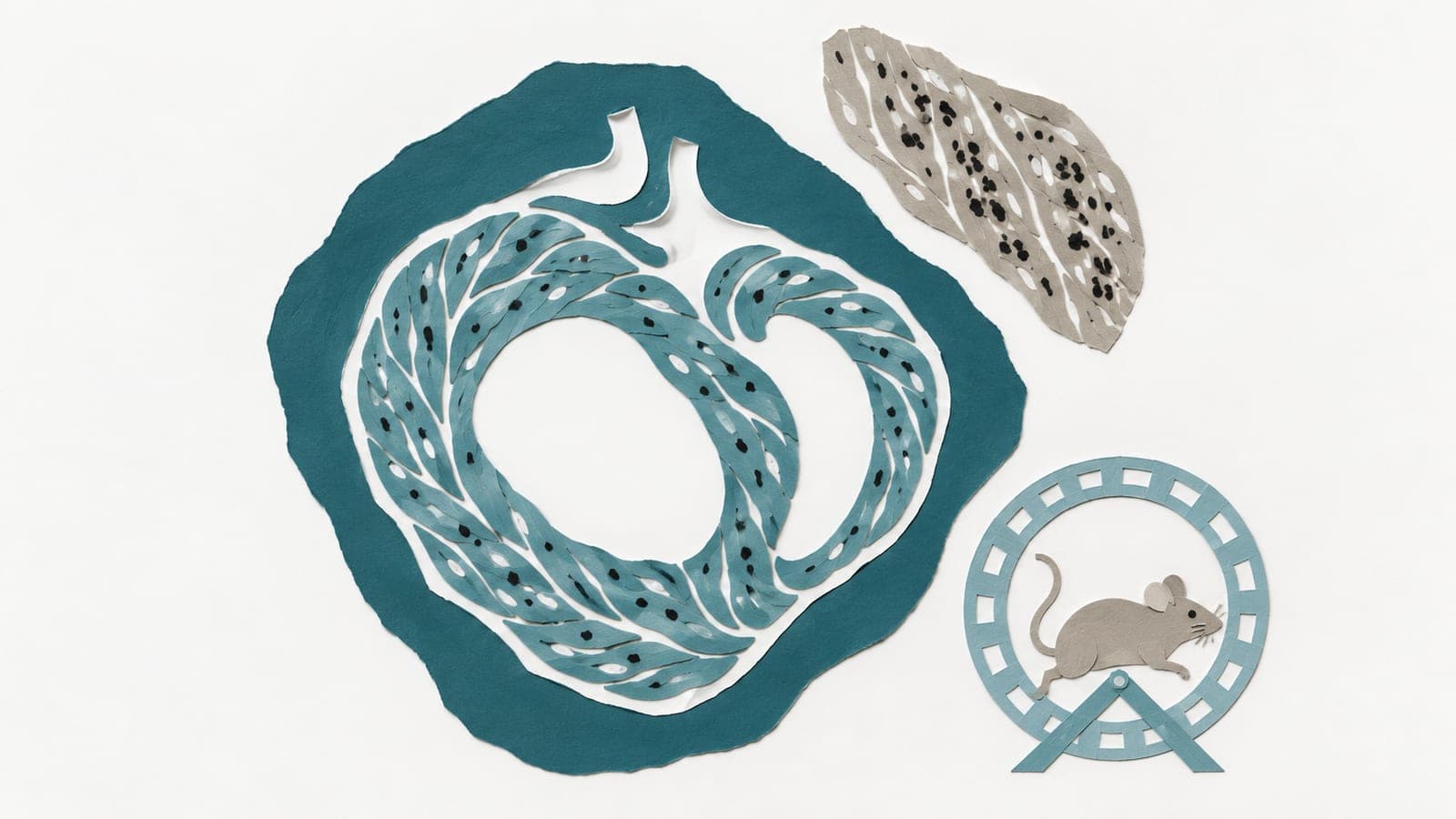
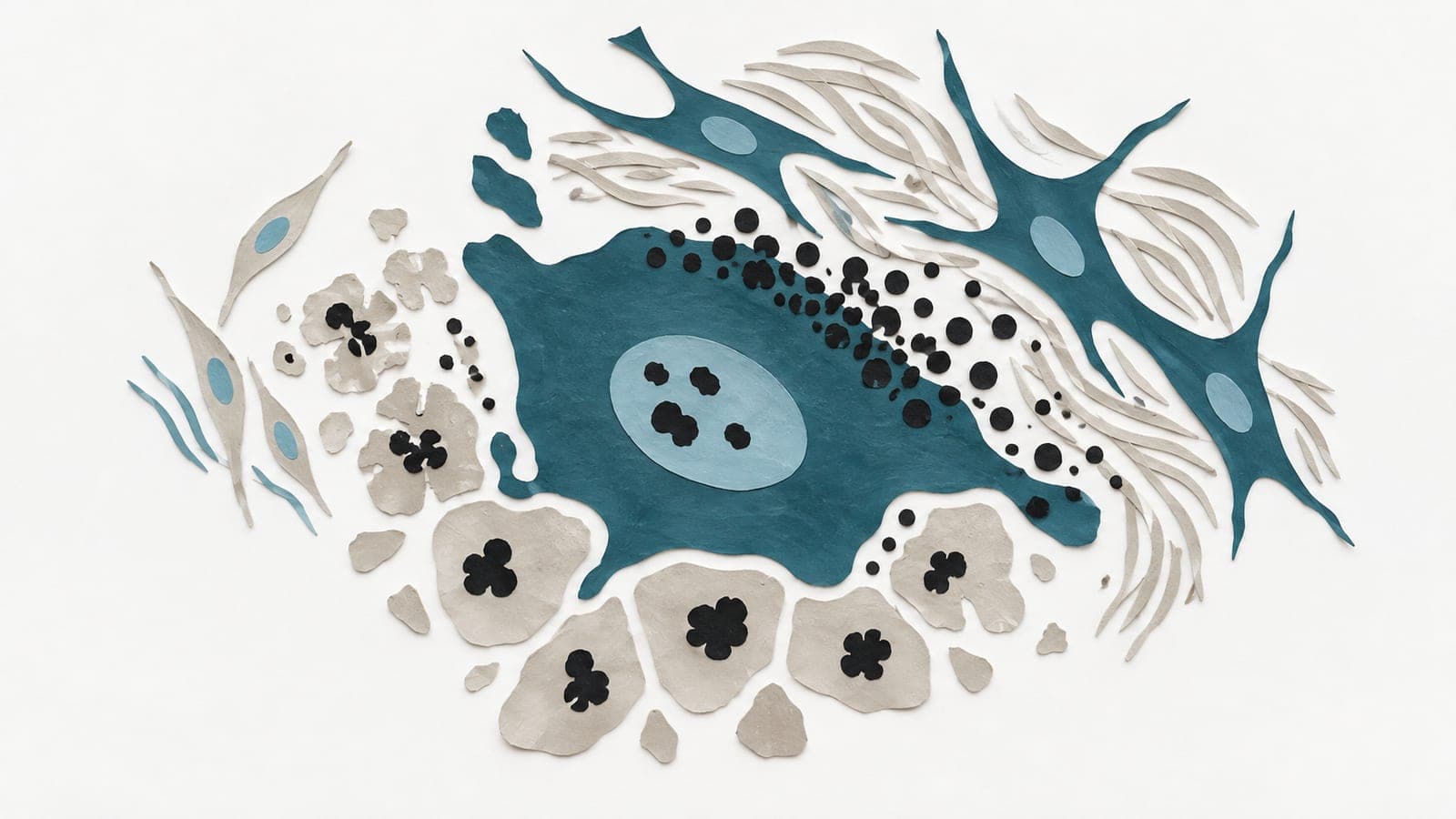
Researchers exposed human fetal lung tissue from 10–16 weeks of gestation to nicotine and the cannabis compounds tetrahydrocannabinol and cannabidiol in laboratory experiments. Combined exposures induced a senescence-like state: cells showed molecular signs resembling senescence, a state in which cells stop dividing. The cultures also showed increased markers of a response to DNA damage and activation of an immune-signaling pathway.
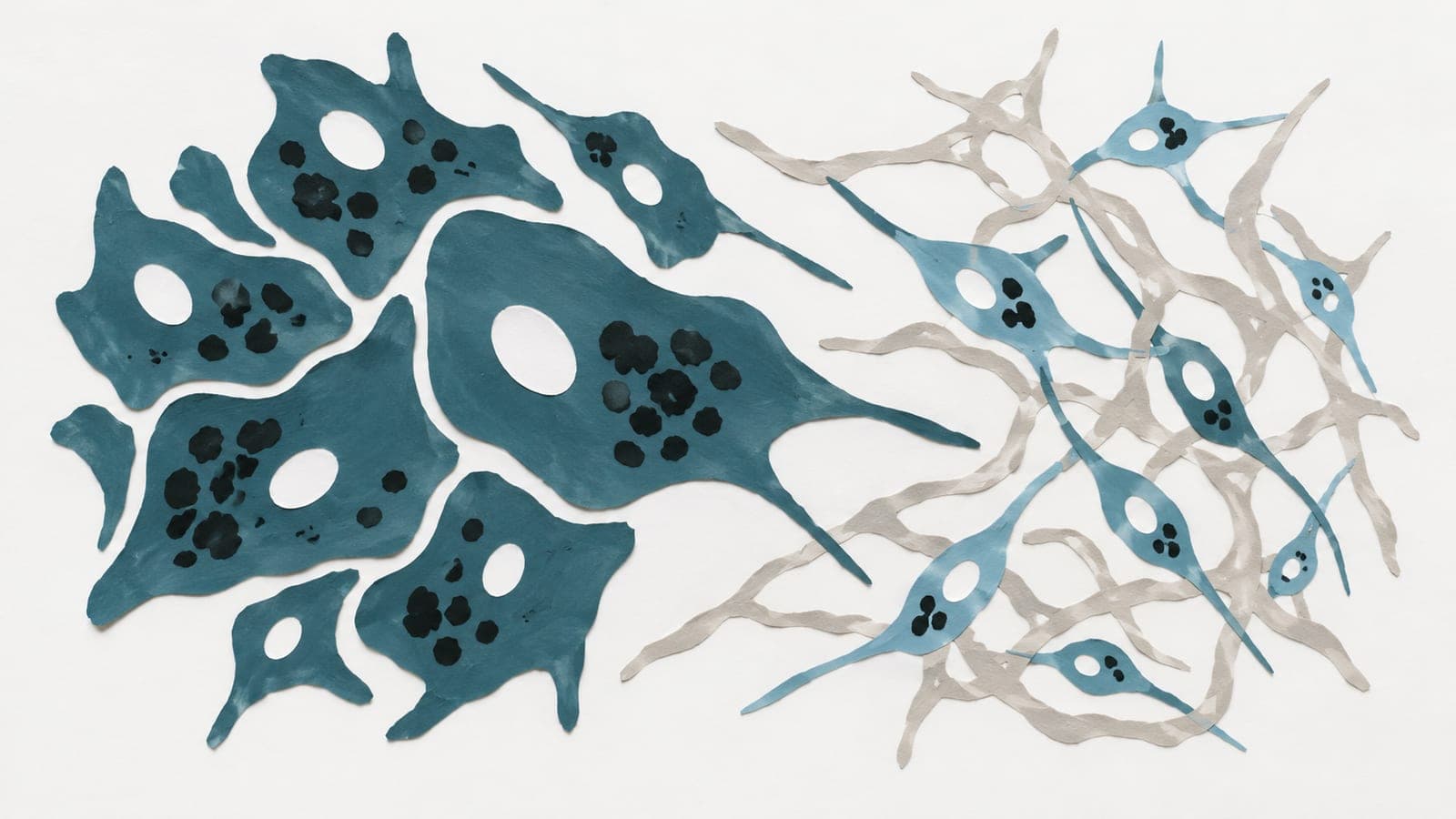
Cannabidiol alone and the three-substance combination reduced cell division. All exposure conditions reduced smooth muscle cell differentiation, the process of becoming specialized. Adding dasatinib and quercetin, drugs that target senescent cells, reduced senescence-associated gene activity and inflammatory secretions. The drugs also reversed activation of the immune-signaling pathway. The authors concluded that these drugs may partly relieve the effects of combined exposure.
Why it matters
Cell senescence connects this developmental research to questions about how tissues change with age. The work examined whether combined chemical exposures can trigger a similar state during lung development.
Caveats
These experiments used fetal lung tissue in culture, not pregnancies or infants, and did not establish effects on later health. The abstract does not report exposure doses or duration.
The paper
Co-exposure to cannabinoids and nicotine increases senescence in prenatal human lung development
University of California, Los Angeles
Pediatric Research, Jul 7, 2026, Open access
Comments
Be the first to comment.