Liquid biopsy for early cancer detection in hereditary cancer syndromes: Current evidence
Abstract
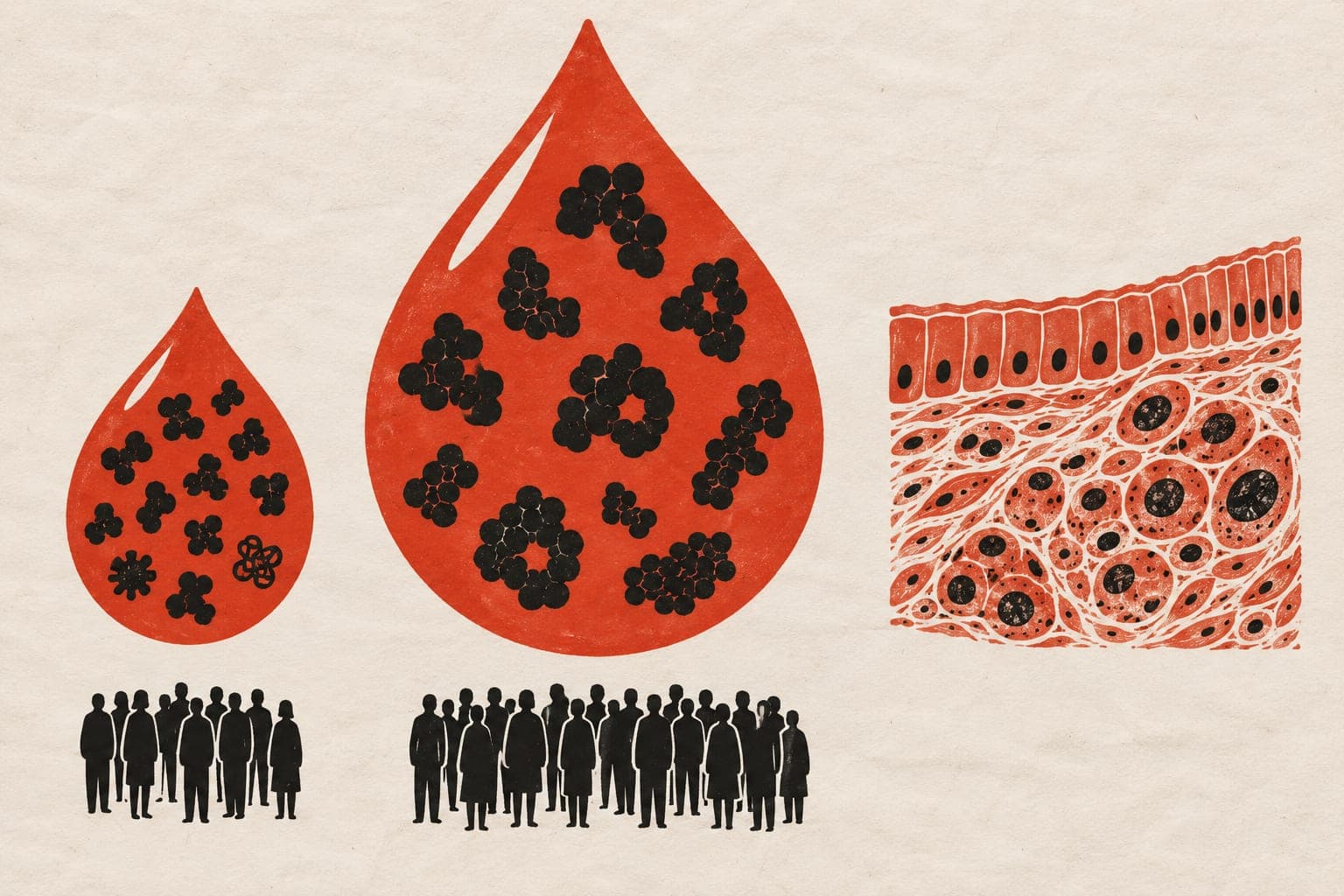
Hereditary cancer predisposition syndromes (CPS) confer high lifetime cancer risks with early onset and diverse tumor spectra, posing challenges for current intensive, organ-specific surveillance methods that carry risks of interval cancers, radiation exposure, and patient burden. Here we synthesize evidence on cell-free DNA (cfDNA)-based liquid biopsy approaches-including methylation, fragmentomics, copy-number, and mutation analyses-as minimally invasive adjuncts for early cancer detection in CPS. Data, primarily from Li-Fraumeni syndrome, Lynch syndrome, and neurofibromatosis type 1, demonstrate promising diagnostic performance, particularly with multimodal cfDNA assays that improve detection sensitivity and specificity. However, no randomized trials have yet confirmed clinical benefit. Ongoing studies aim to clarify optimal testing strategies, psychosocial impact, and cost-effectiveness. These findings suggest that cfDNA liquid biopsy holds potential to complement existing surveillance in hereditary cancer syndromes, but further validation is required before routine clinical implementation.
The paper
University of Augsburg
Critical Reviews in Oncology/hematology, 7 Jul 2026, Open access