Brain health across the lifespan and the impact of nutrition, exercise, microbiota, and sleep
Abstract
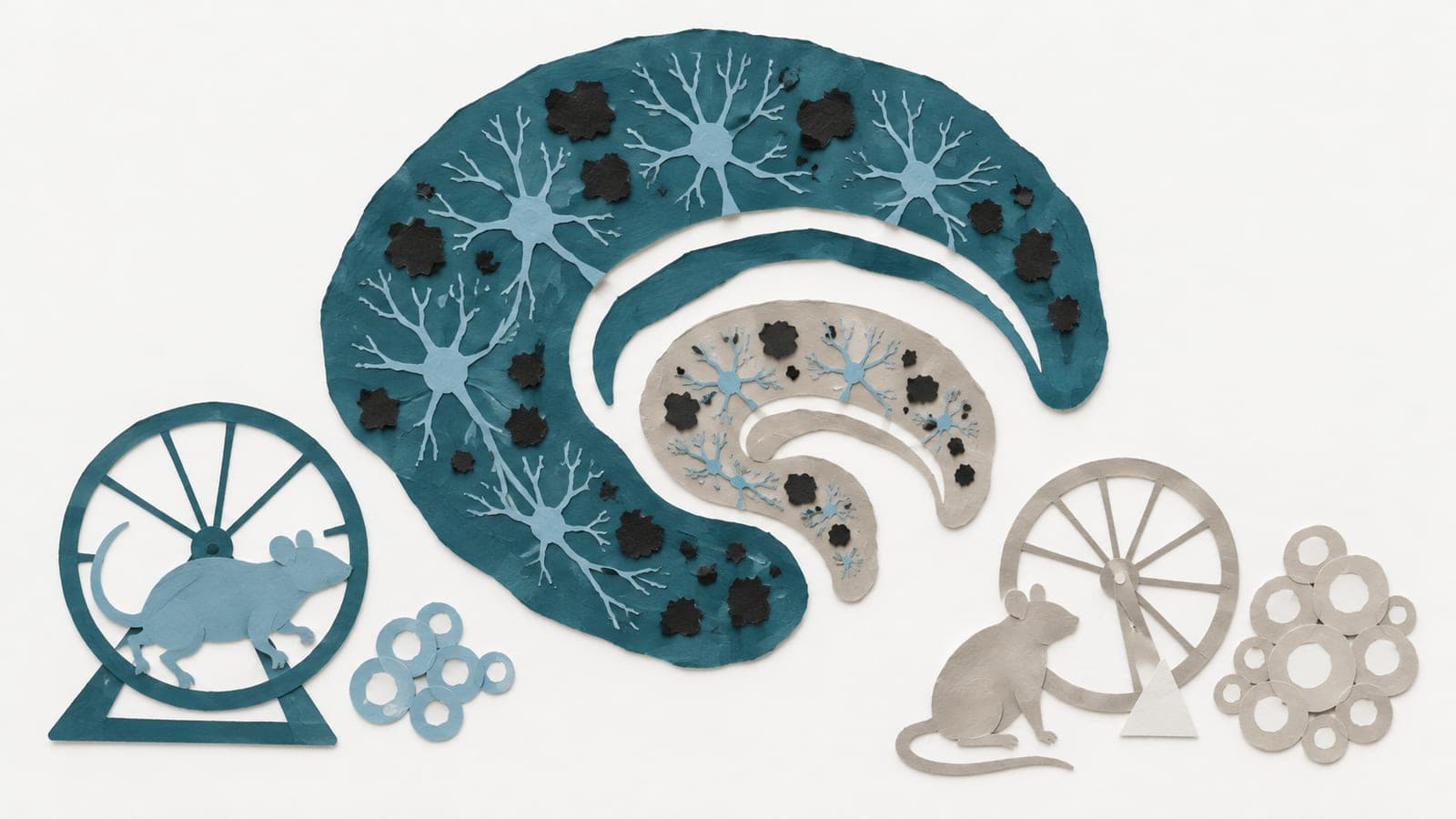
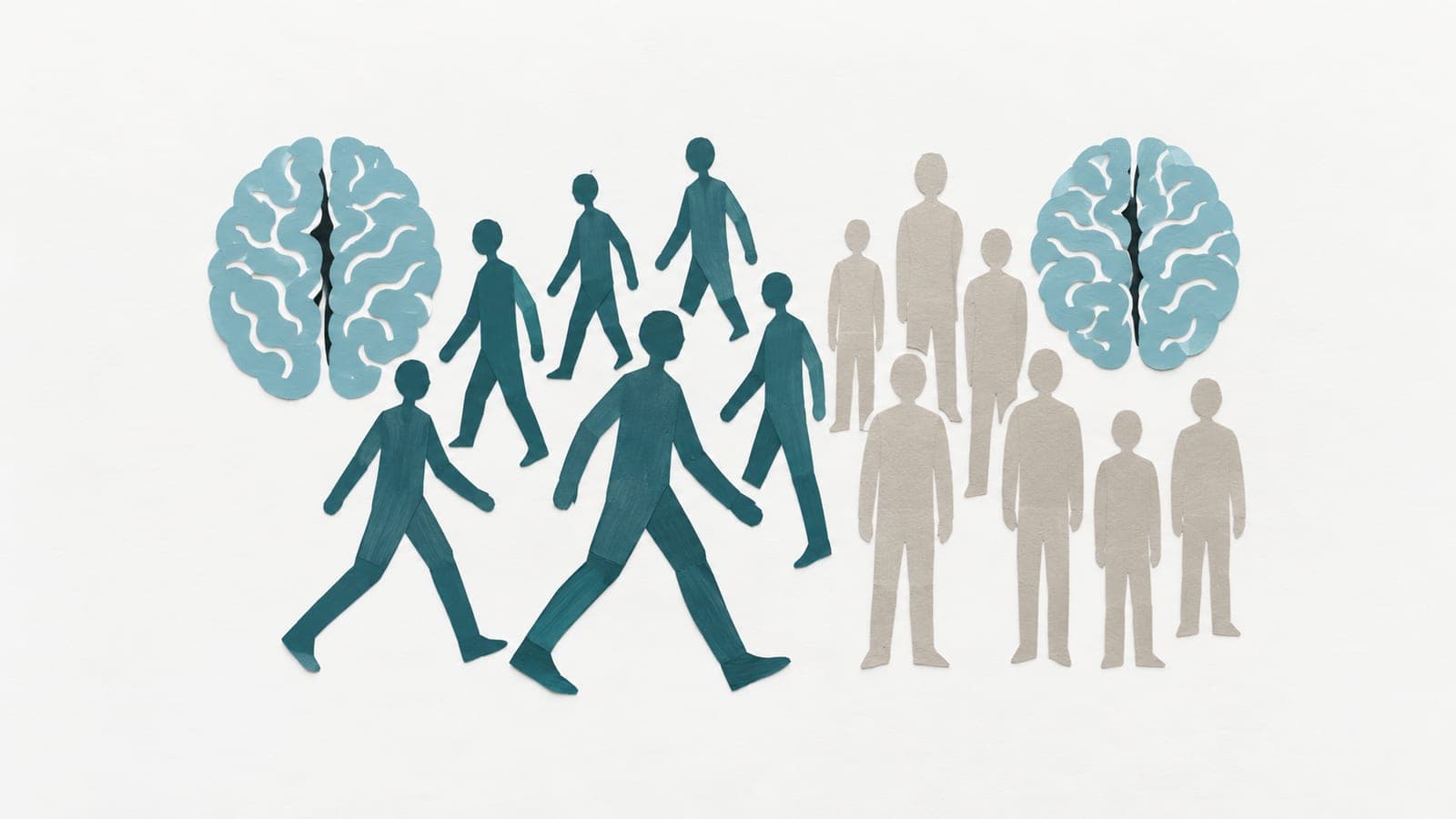
Dietary strategies that support long-term cognitive health and resilience against neurodegenerative diseases are important with aging and senescence. Brain aging is a consequence of intricate biological changes that occur over the lifespan. The process of aging involves the decline in metabolic and physiologic functions, and changes in anatomical structure. However, our lifestyle practices, including diets and nutrient intakes, physical exercise, sleep quality, and cognitive activity can help to minimize the aging effects on the brain. Furthermore, neurodegenerative diseases often have detrimental effects on brain neurons, that show gradual damage leading to compromised cognitive function and impaired body movement. Our review describes the biochemical and physiological changes in brain with advancing age. We introduce several aspects of nutrients (lipids, glucose, vitamins, and protein), dietary factors (flavonoids), and diet practices that afford benefits to reduce the effects of aging on the brain. In addition, many aspects of metabolic dysregulation of macronutrients are described in brain aging. Vital to the lifestyle factors that improve brain health and reduce or delay the negative effects on brain aging are physical exercise and sleep. The importance of brain-derived neurotrophic factors, exerkines, and endocannabinoids are described. Herein is a concise overview of the aging brain, role of nutrition in brain health, importance of nutrition in aging and senescence of the brain, and the systemic actions of physical exercise on brain plasticity and health. Original research with models, clinical studies, and landmark reviews on the topic are cited in our novel and comprehensive approach to nutrition the aging brain.
The paper
Texas Tech University; University of California, Davis
Ageing Research Reviews, 7 Jul 2026