Marital Satisfaction and Frailty in Later Life: Asymmetric, Gendered, and Distributional Associations
Abstract
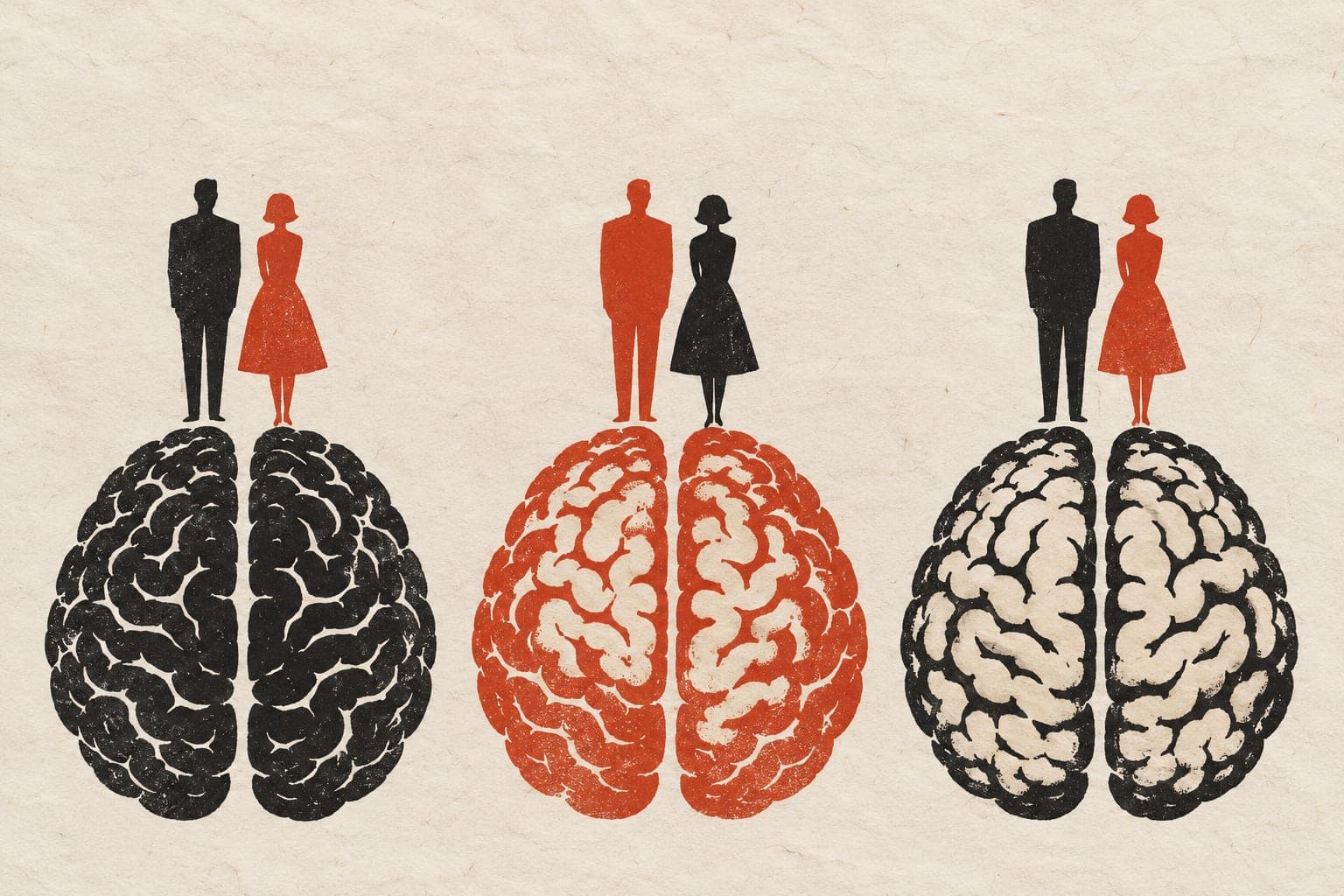
BackgroundPrior studies on marital satisfaction and health rarely consider whether improvements and declines have asymmetric effects. This study examined asymmetric associations between changes in marital satisfaction and frailty among older adults.MethodsData came from 4,833 married adults aged 65+ in the Korean Longitudinal Study of Aging. Frailty was assessed using a 41-item deficit-accumulation frailty index (0-100). Asymmetric fixed effects models distinguished the effects of increases versus decreases in marital satisfaction. Unconditional quantile regression within a fixed effects framework examined heterogeneity across the frailty distribution.ResultsDeclines in marital satisfaction were associated with larger increases in frailty than the reductions linked to comparable improvements. Among women, associations were largely symmetric. Among men, declines in marital satisfaction were strongly associated with higher frailty, whereas improvements showed limited protective effects, particularly at mid-to-upper frailty levels.ConclusionThese findings highlight gendered and asymmetric health consequences of marital relationships in later life.
The paper
Korea University; University of Wisconsin–Madison
Journal of Applied Gerontology, 26 Jun 2026