The Endothelial Cell Perspective in Pulmonary Fibrosis: From Cell Fate Decisions, Intercellular Communication, and EndoMT to Emerging Therapies
Abstract
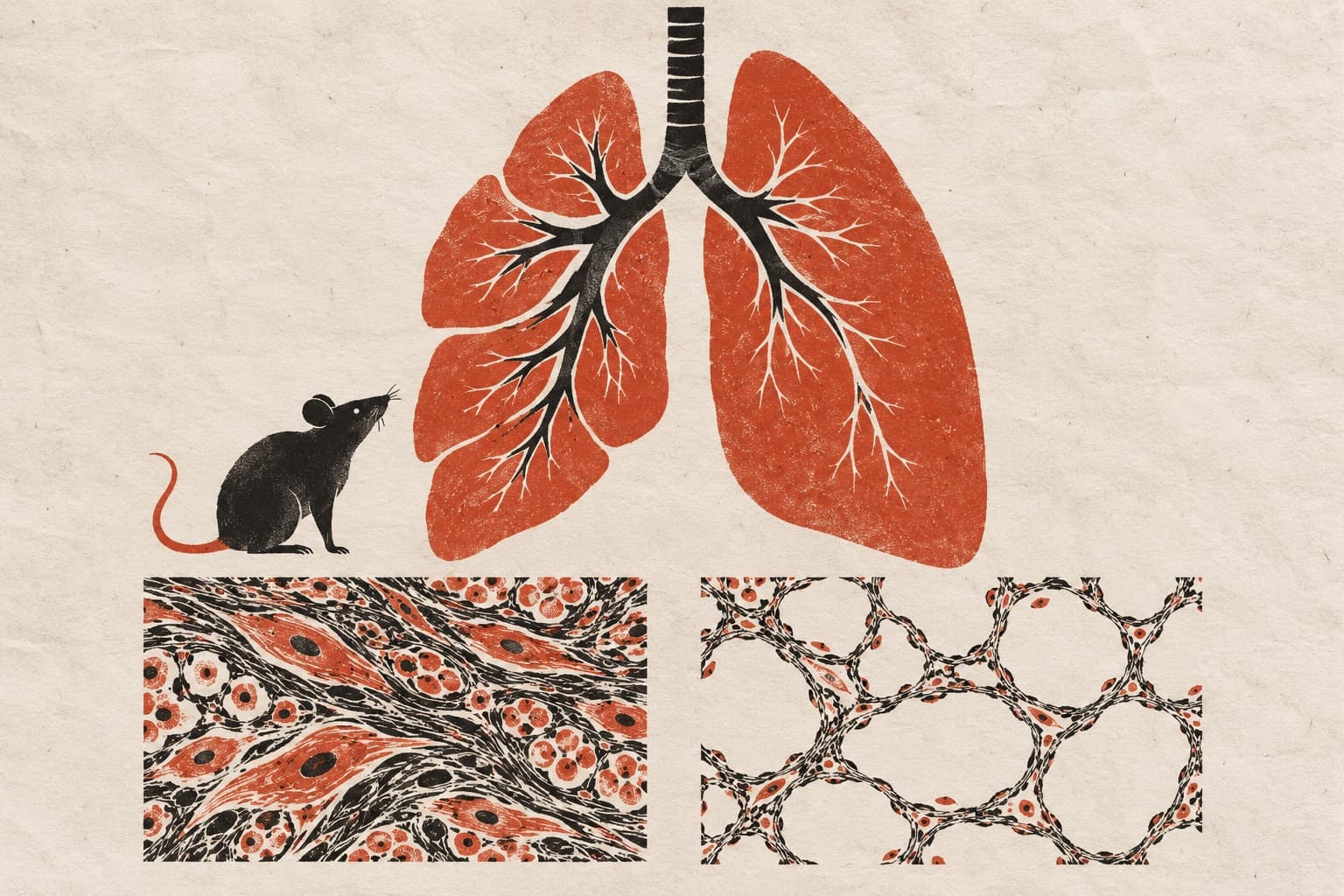
Pulmonary fibrosis (PF) is a progressive fibrotic interstitial lung disease characterized by aberrant activation of myofibroblasts and excessive deposition of extracellular matrix. In light of the complexity of its pathogenesis and the limited availability of approved antifibrotic drugs, PF remains a refractory lung disease imposing a substantial burden on patients. Current research into the pathogenesis of PF has largely revolved around the core hypothesis of recurrent microinjuries to alveolar epithelial cells. However, in recent years, increasing attention has been directed toward the role of endothelial dysfunction in the progression of fibrosis. This review focuses on pulmonary microvascular endothelial cells and systematically examines their regulatory mechanisms in the initiation and progression of PF from three perspectives: endothelial cell senescence and programmed cell death, intercellular crosstalk between endothelial cells and surrounding cells, and endothelial-mesenchymal transition (EndoMT). Furthermore, we summarize antifibrotic drugs and therapeutic strategies targeting endothelial cells, providing theoretical insights and research directions to elucidate the pathogenesis of PF and explore novel therapeutic approaches.
The paper
Wuhan Union Hospital
Canadian Respiratory Journal, 1 Jan 2026, Open access