Subtype-Specific Vulnerability of Spiral Ganglion Neurons in Sensorineural Hearing Loss Across the Lifespan
Abstract
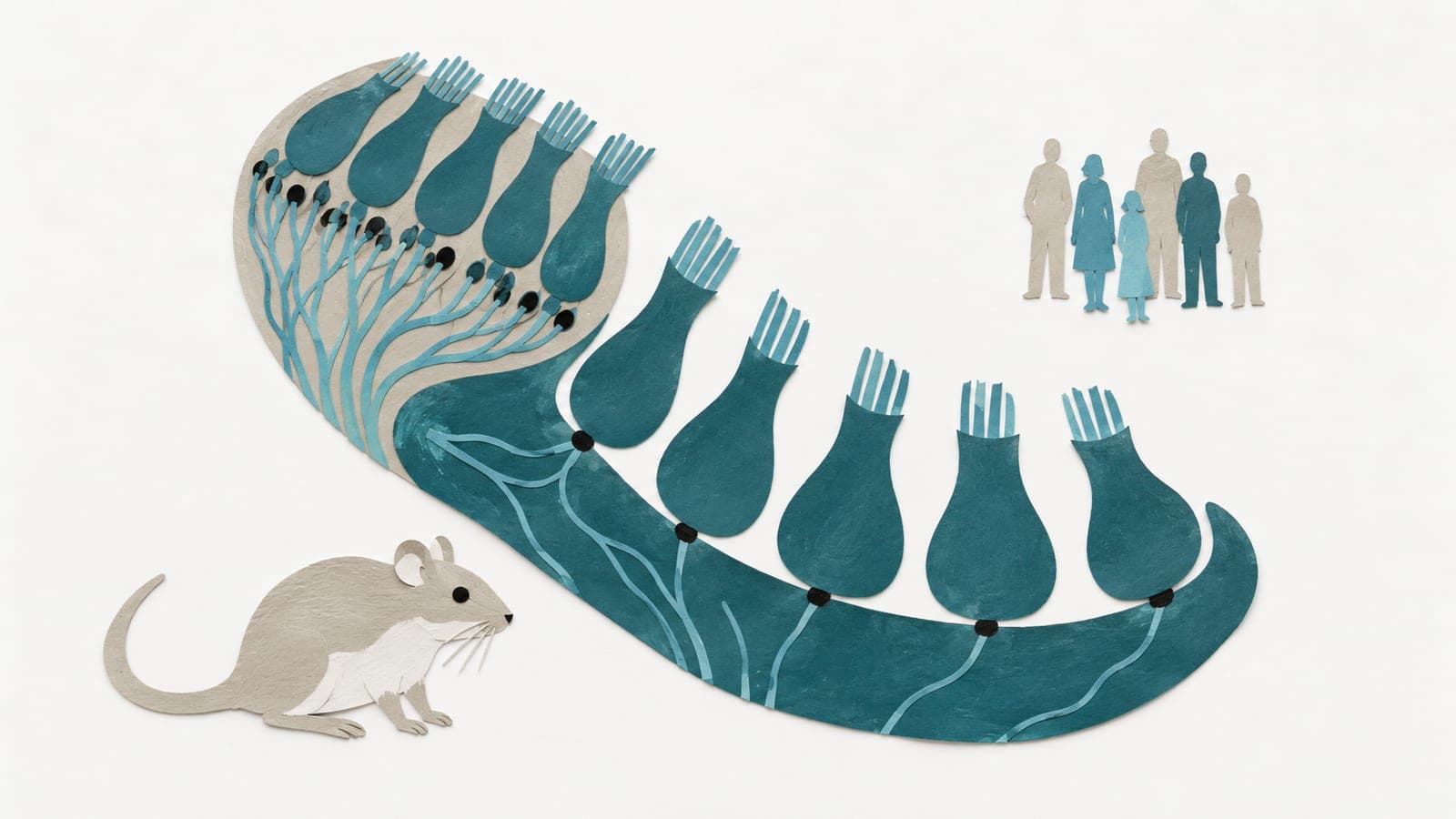
Background: Sensorineural hearing loss (SNHL) is increasingly recognized as a disorder involving not only hair-cell damage but also selective degeneration of spiral ganglion neurons (SGNs). Recent single-cell, molecular, and functional studies have refined the classical type I/type II classification of SGNs by identifying distinct Ia, Ib, and Ic subtypes within type I neurons. This review aims to synthesize current evidence on how SGN vulnerability is shaped by the interaction between subtype identity, life stage, and injury context. Methods: We conducted a critical narrative review of recent studies on SGN heterogeneity and subtype-specific vulnerability across development, maturity, and aging, with particular attention to molecular profiling, functional studies, and emerging therapeutic strategies. Results: SGN degeneration in SNHL is not uniform. During development, the available evidence mainly supports the vulnerability of subtype specification, synaptogenesis, and activity-dependent maturation, rather than direct selective degeneration of mature Ia/Ib/Ic identities. In the mature cochlea, subtype-specific differences in synaptic architecture, ion-channel composition, and metabolic demand appear to shape responses to noise, ototoxic drugs, and ischemic stress, with Ic-related populations often showing greater vulnerability. During aging, cumulative mitochondrial dysfunction, oxidative stress, chronic inflammation, and declining neurotrophic support may progressively unmask differences in subtype resilience and contribute to age-related auditory decline. Conclusions: A lifespan-oriented and subtype-informed framework may improve the current understanding of selective SGN degeneration and support the development of more precise neuroprotective and reparative strategies for SNHL.
The paper
Southeast University
Brain Sciences, 28 May 2026, Open access