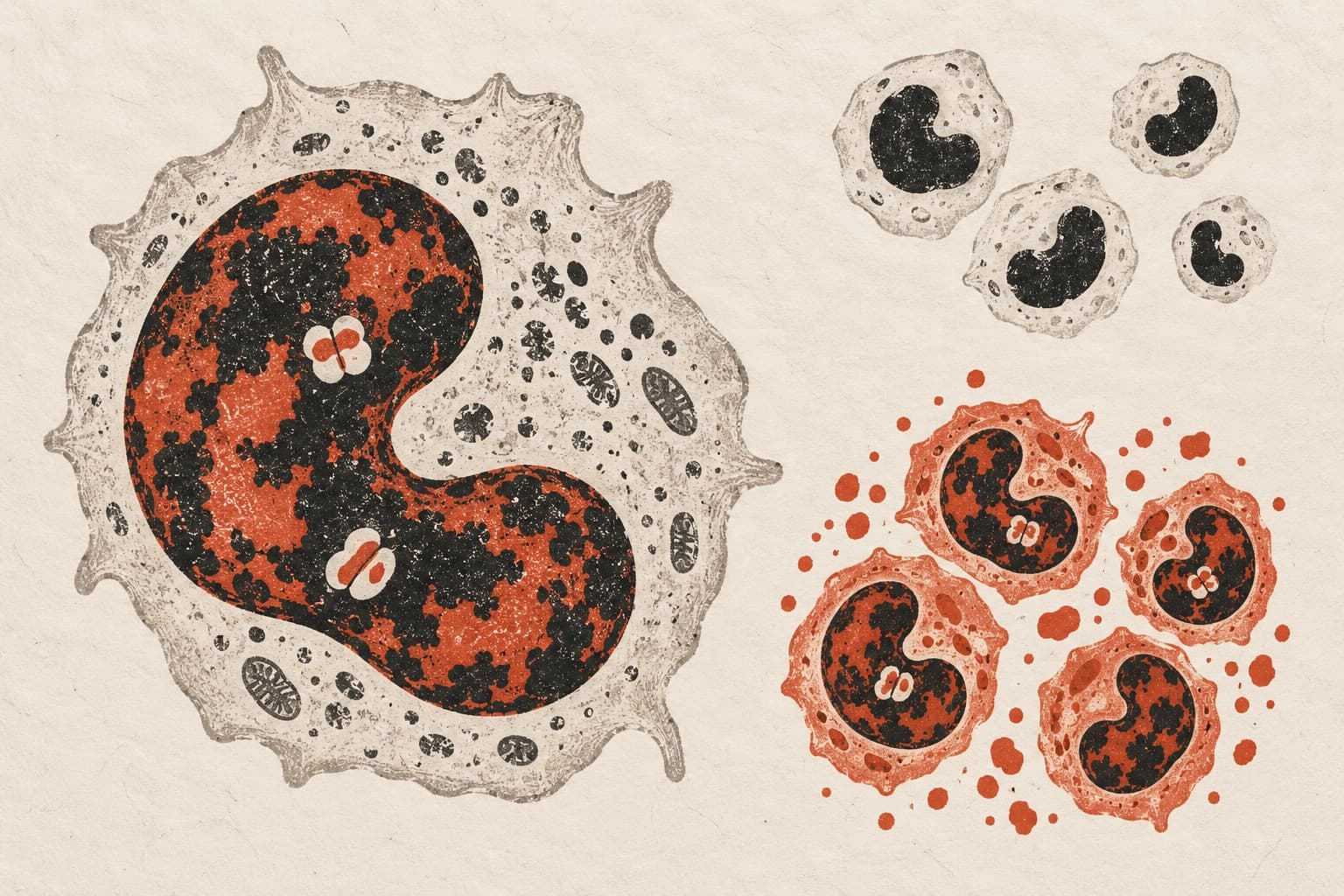
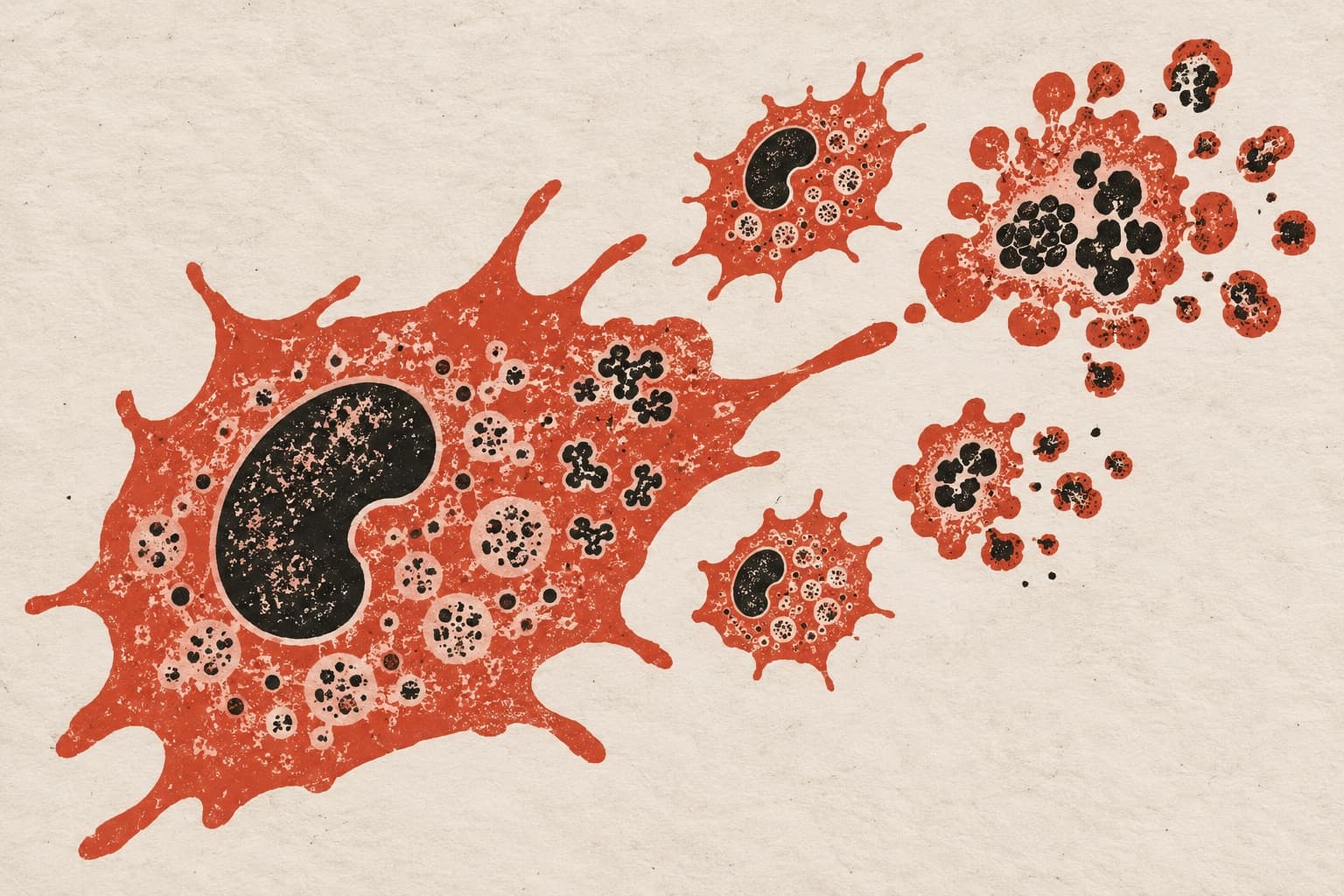
SLy1-deficiency results in functional impaired, exhausted and senescent NK cells
Abstract
INTRODUCTION: SLy1 is an emerging adapter protein, exclusively expressed in lymphocytes. In NK cells it serves as ribosomal stabilizer and plays an important role for their maturation, survival and functionality. SLy1-deficient (SLy1KO) NK cells exhibit ribosomal instability, which leads to excessive amounts of free ribosomal proteins followed by an accumulation of p53. However, the characterization of the impairment and the dependence on p53 has not yet been elucidated. OBJECTIVE: This study aimed to analyze phenotypical and functional characteristics of SLy1- and p53-deficient NK cells and to understand which impairments depend on both proteins. RESULTS: We established a SLy1WT/KO; p53WT/KO mouse strain and were able to reveal that the reported reduction in viability, cytotoxicity and expression of activating surface receptors in SLy1KO NK cells is mediated by p53. Moreover, we observed that a SLy1KO also leads to decreased NK cell numbers and to increased levels of senescence and exhaustion, independently of p53. Further, we detected elevated protein and mRNA levels of the DNA damage response mediators, which could be responsible for the observed phenotypic alterations. CONCLUSION: In brief, we demonstrated that SLy1 is indispensable for adequate numbers of viable, activatable NK cells with an intact cytolytic capacity, and that those phenotypic alterations are p53-mediated. Furthermore, the absence of SLy1 leads to senescence and exhaustion of NK cells in an p53-independant manner. These findings correlate with the recently shown association of human SLy1-mutations with specific types of common variable immunodeficiencies. We therefore strongly recommend testing for mutations in the gene locus, especially in patients with unclear immunodeficiencies.
The paper
University of Tübingen
Frontiers in Immunology, 4 Jun 2026, Open access