N(7)-methylguanosine modification of mitochondrial tRNA-Trp drives myocardial injury induced by silicon carbide nanoparticles
Abstract
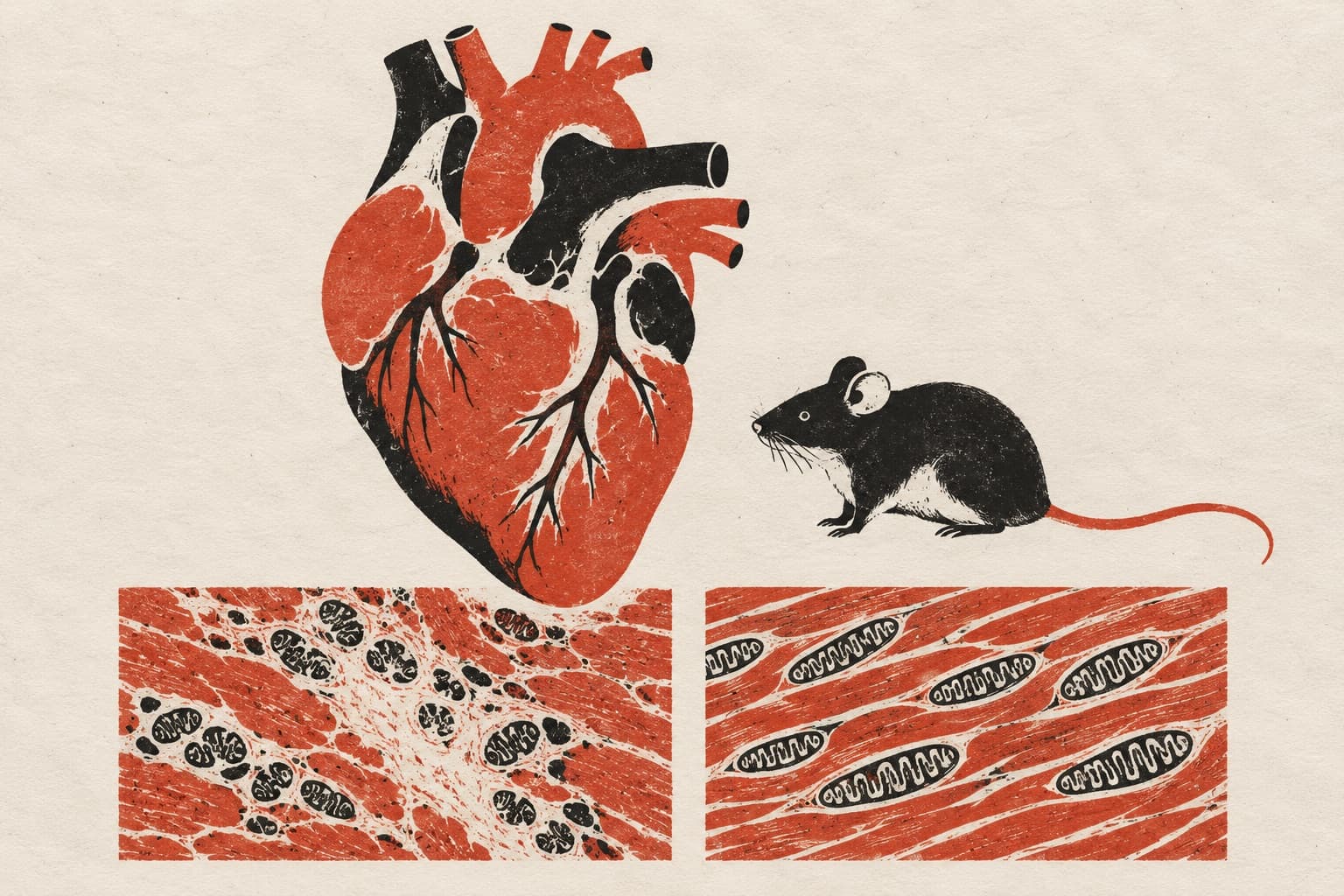
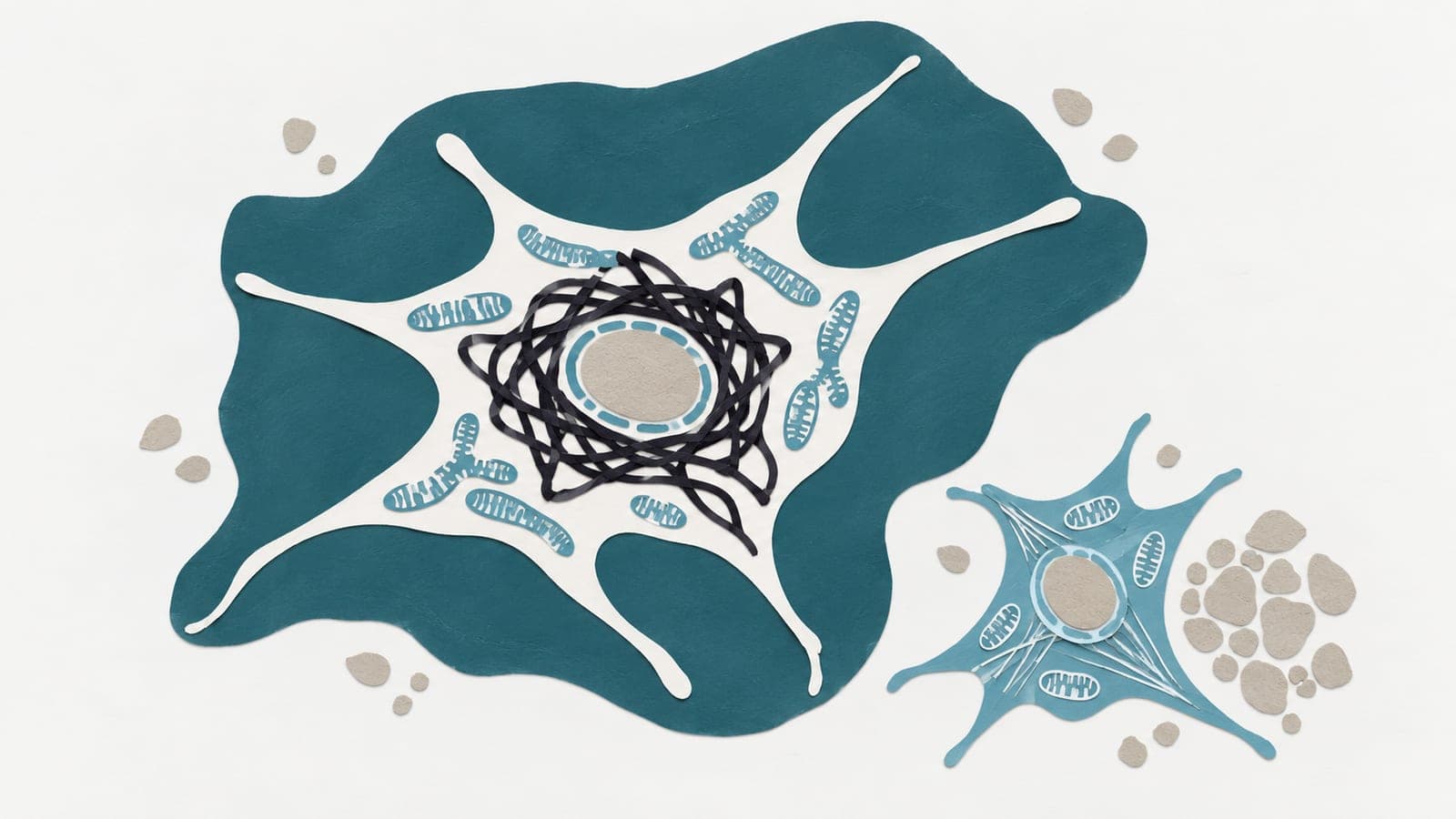
Lithium-ion batteries (LIBs) have become the core driving force for the global clean energy transition, and silicon carbide nanoparticles (SiC NPs) could be used anode material for lithium-ion batteries. With the rapid development of new energy industries, exposure to SiC NPs has increased significantly. However, the detrimental effects of SiC NPs on the heart and the underlying mechanisms remained largely unexplored. In the present study, we established a 5d exposure SiC NPs mice model through intratracheal instillation and mouse cardiomyocyte (HL-1 and primary cardiomyocytes) model. By single-nucleus RNA sequencing (snRNA-seq) analysis, we investigated the adverse reactions of heart and potential molecular mechanisms associated with SiC NPs exposure. Our results showed that short-term exposure of SiC NPs exposure could cause myocardial injury in mice. SiC NPs regulated METTL1 to reduce the m7G modification level and abundance of mt-tRNA-Trp, causing mitochondrial translational dysfunction, thereby inducing cardiomyocyte senescence. Supplementation of METTL1 alleviated SiC NPs-induced cellular senescence in vitro and in vivo. This study elucidated novel insights into the prevention and treatment of myocardial injury, while providing a solid experimental foundation for the development of mitochondrial-targeted therapeutic strategies.
The paper
Hebei Medical University
Journal of Hazardous Materials, 12 Jun 2026