Drug-pretreated human heart cells aided repair in rats
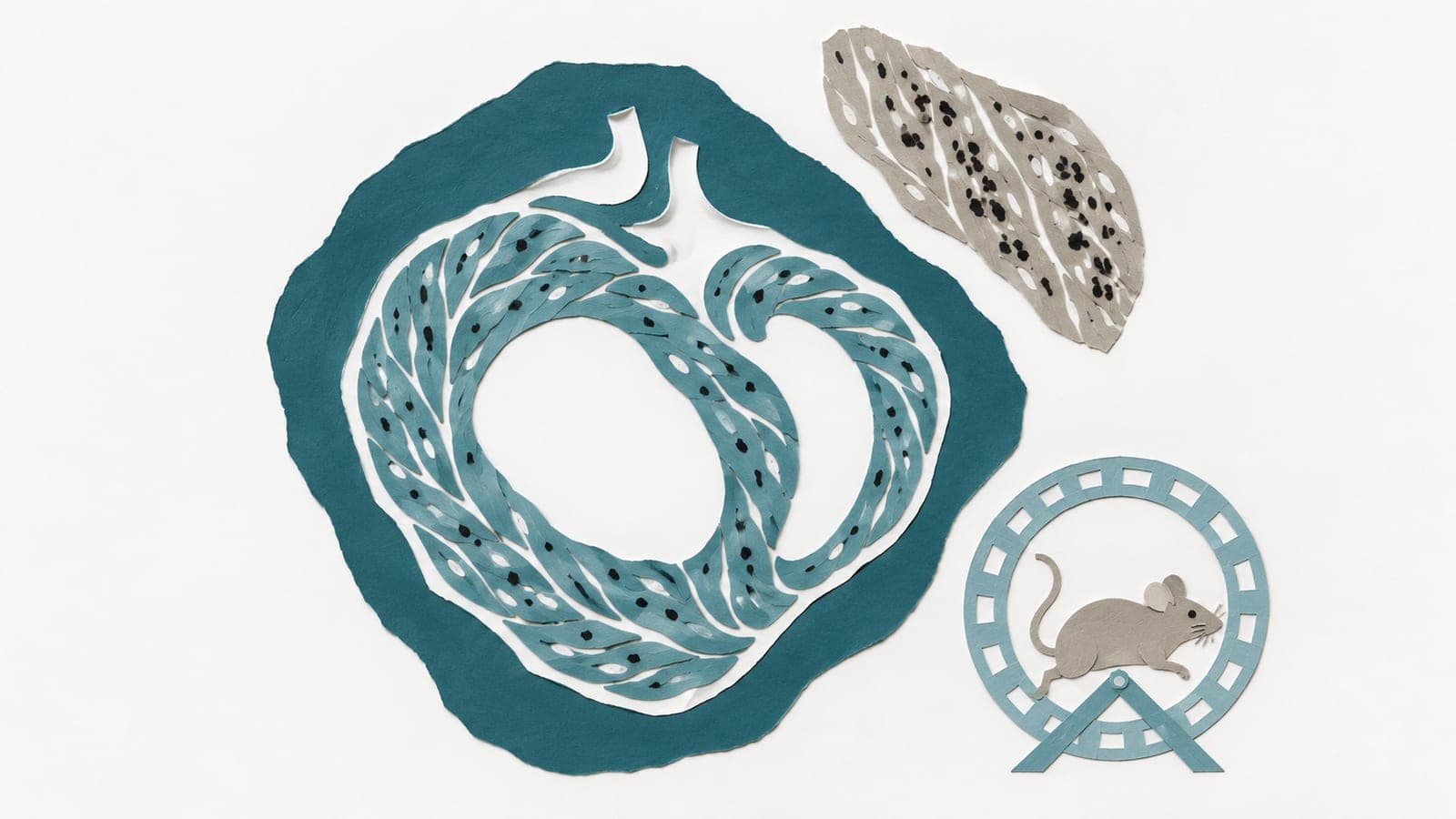
Grafts from drug-pretreated cells occupied a 3.1-fold higher share of the left pumping chamber’s area than control grafts after 28 days in rats.
Our read
Interventions- Studied:
- Experiments in male rats lacking a thymus, 28 days, against control cells
- What changed:
- Drug-pretreated cells reduced scar tissue by 22% compared with control cells
- The catch:
- Follow-up lasted only 28 days
- In the record:
- One of 4 papers on human induced pluripotent stem cell-derived cardiomyocytes on record: none yet with results in people, 1 in animals.
- Why it’s aging research:
- It studies something that builds up in the body with age.
Editor of record: Boris Djordjevic · AgingResearch.News
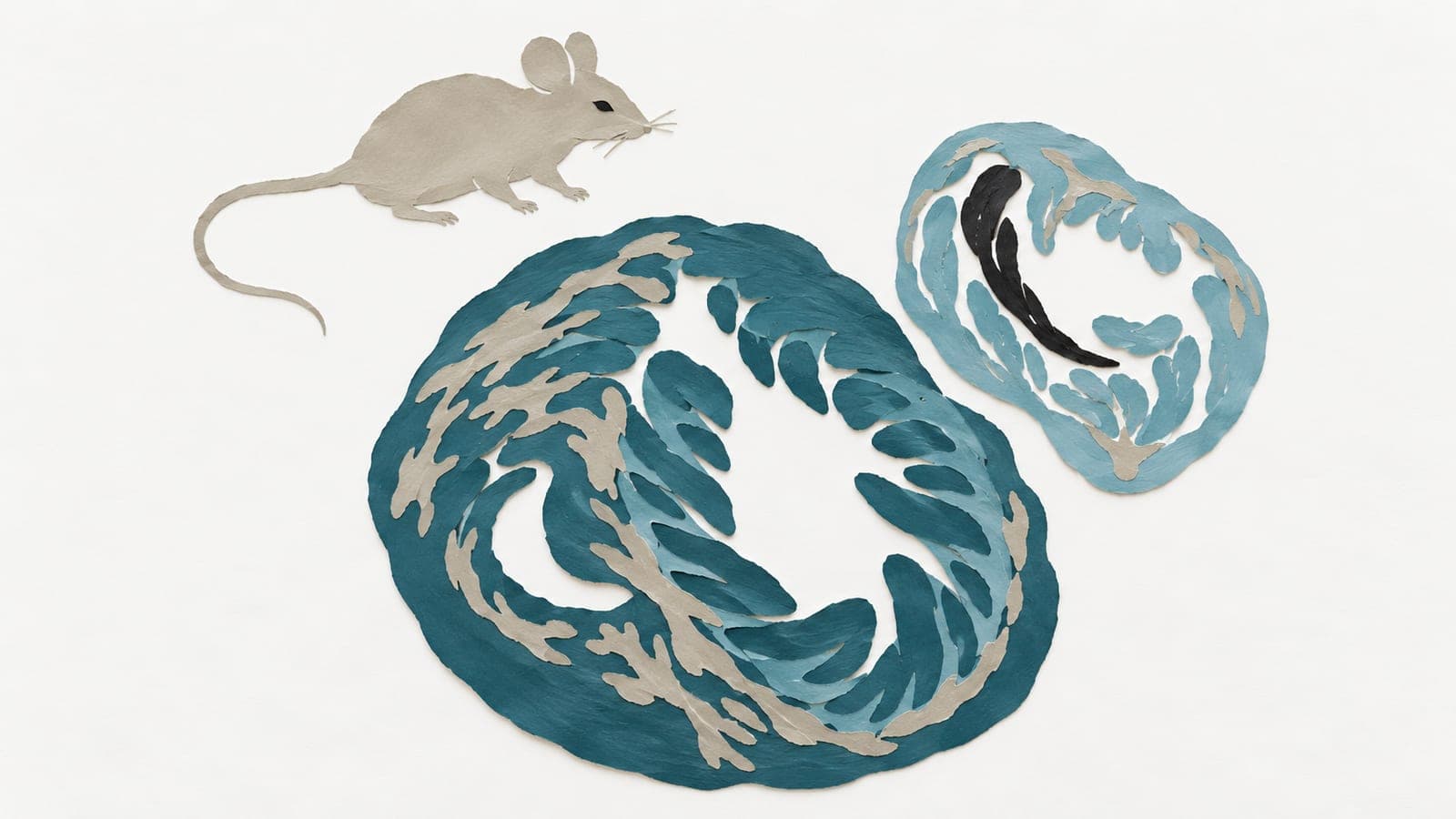
Male rats lacking a thymus, aged 9–12 weeks, received human stem cell-derived heart muscle cells seven days after induced heart attacks. In this randomized animal experiment, researchers injected 20 million cells per rat and assessed the hearts 28 days later.
Expanding the cells in the lab increased cell numbers but induced senescence, a state in which cells stop dividing. Expanded cells formed smaller grafts of transplanted tissue and supported less functional recovery than non-expanded cells. Researchers treated expanded cells with 10 micromolar BCH001 or a solvent control during days 12–20 of cell production. The drug reduced senescence markers in lab-grown cells. With nine rats per group, drug-pretreated cells formed larger grafts, reduced scar tissue by 22% and modestly improved heart function compared with control cells.
Why it matters
The work connects cell senescence, a process associated with aging, to the challenge of producing enough effective replacement cells for heart failure therapy.
Caveats
The 28-day follow-up did not establish longer-term benefits. Results in young male rats lacking a thymus do not establish effects in older animals or people with heart failure.
The paper
Senescence modulated cardiac repair with pluripotent stem cell-derived cardiomyocytes
Shinshu University
Stem Cell Research & Therapy, Jun 10, 2026, Open access
Comments
Be the first to comment.