The impacts of common chronic disease on autophagy and cellular stress during exertional heat stress in peripheral blood mononuclear cells of older males
Abstract
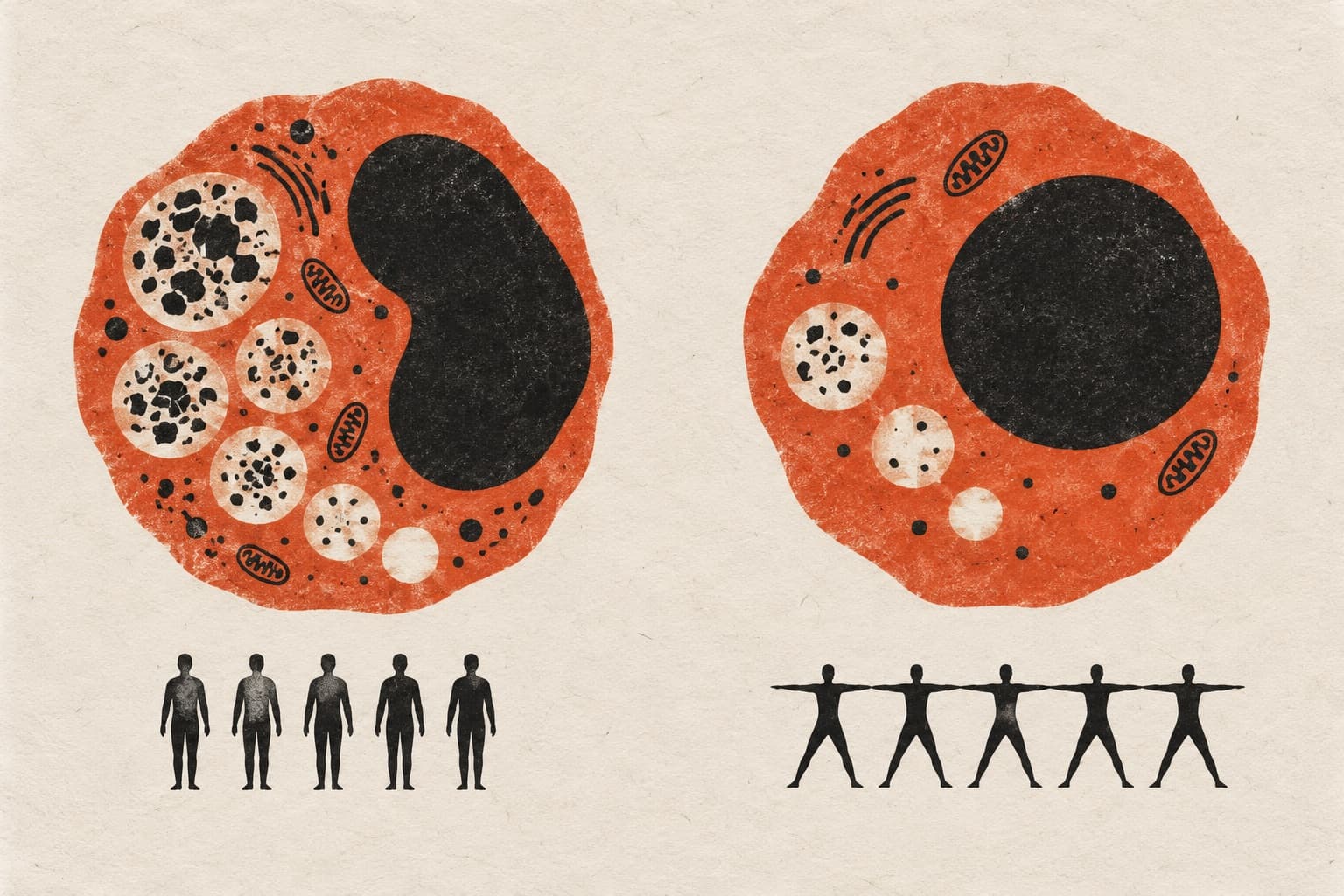
Autophagy plays a key role in maintaining cellular function during acute physiological stress, including exercise and heat stress. Although autophagic function declines with increasing age, the extent to which age-related chronic disease (e.g., hypertension and type 2 diabetes) influences autophagic responses during exertional heat stress remains unknown. Older males (means [SD]: aged 70 [5] yr) without (n = 10) and with hypertension (n = 10) or type 2 diabetes (n = 10) performed high-intensity semirecumbent cycling (70% of maximal oxygen consumption) in temperate (25°C, 15% relative humidity) or hot (40°C, 15% relative humidity) ambient conditions. Mean body temperature (rectal and skin) was measured throughout, whereas proteins associated with autophagy and cellular stress were assessed in peripheral blood mononuclear cells before and after exercise and following 6 h of seated recovery via Western blot. Mean body temperature increased similarly across all groups at the end of exercise in temperate (+0.40°C) and hot (+0.84°C) conditions. Indices of autophagy, including LC3-II, were greater in the healthy compared with both chronic disease groups at end-exercise and throughout the 6 h recovery in temperate conditions. However, between-group differences in LC3-II levels were less pronounced following heated exercise (P = 0.03), and p62 content was lower in individuals with hypertension and type 2 diabetes. Although apoptotic responses were similar across groups, disease-associated blunting of IL-6 responses may contribute to the observed differential levels in autophagic regulation in older males. Therefore, our findings reveal altered autophagic responses to exertional heat stress in older males with chronic health conditions, which may have implications for altered cellular vulnerability during exertional heat stress.NEW & NOTEWORTHY We show that age-related impairments in exercise-induced autophagic regulation are more pronounced in older adults with hypertension and type 2 diabetes. Performing the same high-intensity exercise in the heat led to additional reductions in autophagic regulation in these individuals. Taken together, our findings provide new insights into cellular mechanisms that may underlie increased vulnerability to exertional heat stress in older adults, both with and without common chronic diseases.
The paper
University of Ottawa
American Journal of Physiology Regulatory, Integrative and Comparative Physiology, 10 Jun 2026, Open access