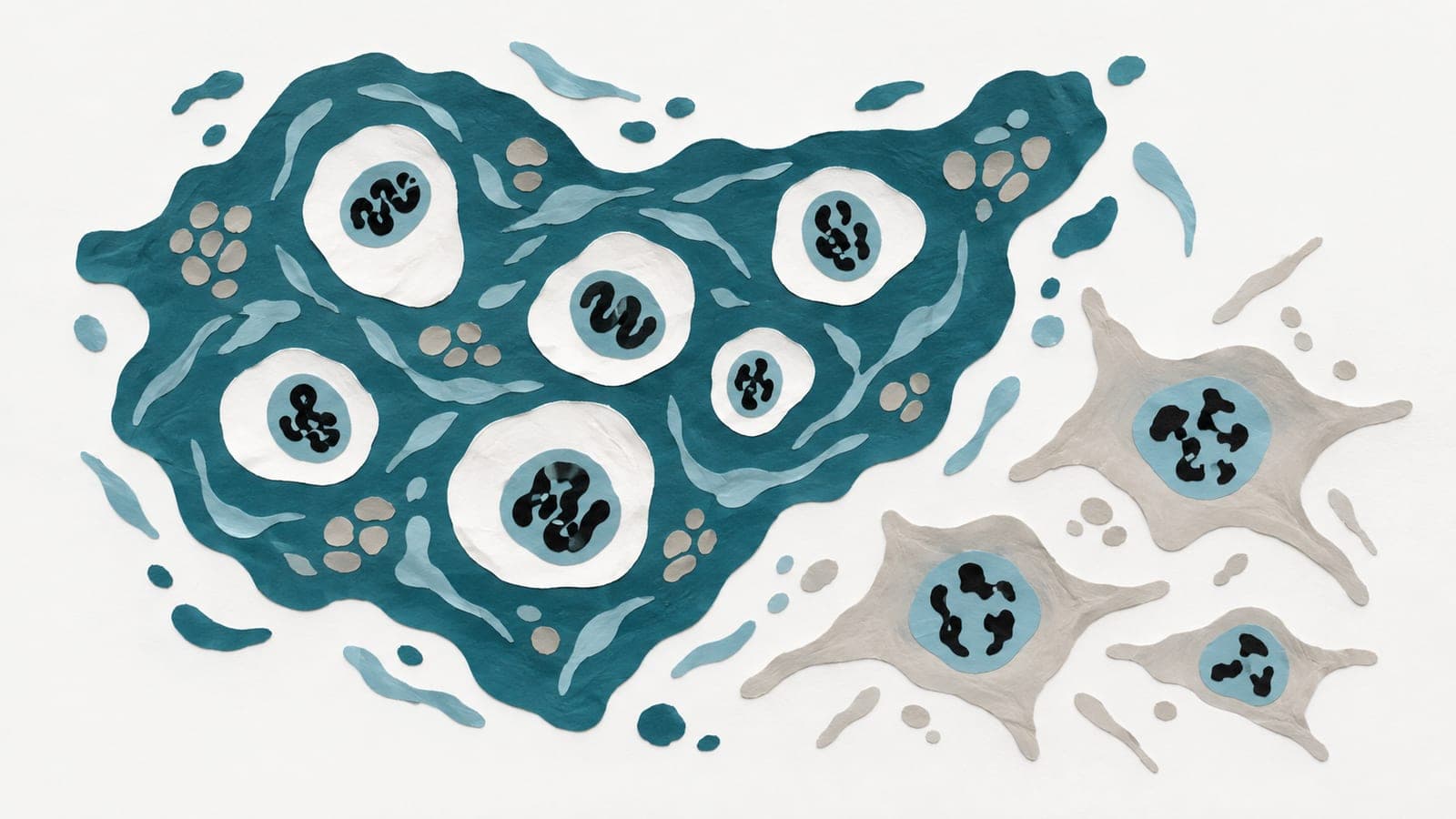
Senescence-associated secretory phenotype: the "pathogenic" factor driving orthopedic degenerative diseases and its regulation
Abstract
Orthopedic degenerative diseases, including osteoarthritis (OA), intervertebral disc degeneration (IVDD), and osteoporosis (OP), are major causes of chronic pain and functional decline in aging populations worldwide. The senescence-associated secretory phenotype (SASP), a downstream but central effector of cellular senescence, has emerged as a key pathogenic mediator that links senescent cell accumulation to tissue degeneration in the musculoskeletal system. Comprising pro-inflammatory cytokines, chemokines, matrix-degrading enzymes, growth factors, and extracellular vesicle-associated signals, SASP disrupts orthopedic tissue homeostasis through several interconnected mechanisms, including chronic sterile inflammation, extracellular matrix (ECM) catabolism, paracrine senescence propagation, stem/progenitor cell dysfunction, and, in selected contexts, aberrant neurovascular remodeling. In this review, we focus on the tissue-specific roles of SASP in major orthopedic degenerative diseases and organize current evidence according to mechanism-to-disease and mechanism-to-therapy relationships. We further summarize mechanism-linked therapeutic strategies, including senolytics, senomorphics, autophagy-based interventions, and emerging gene-/RNA-targeted approaches, while distinguishing between established preclinical avenues and exploratory modalities. Finally, we highlight key barriers to clinical translation, including tissue heterogeneity, biomarker selection, delivery specificity, safety, and trial design, to provide a more clinically actionable framework for future mechanistic and translational research.
The paper
Chengdu University of Traditional Chinese Medicine
Frontiers in Aging, 18 May 2026, Open access