Inhibition of the IRE1α/ASK1/JNK signaling pathway ameliorates perioperative neurocognitive disorder in aged mice following abdominal surgery
Abstract
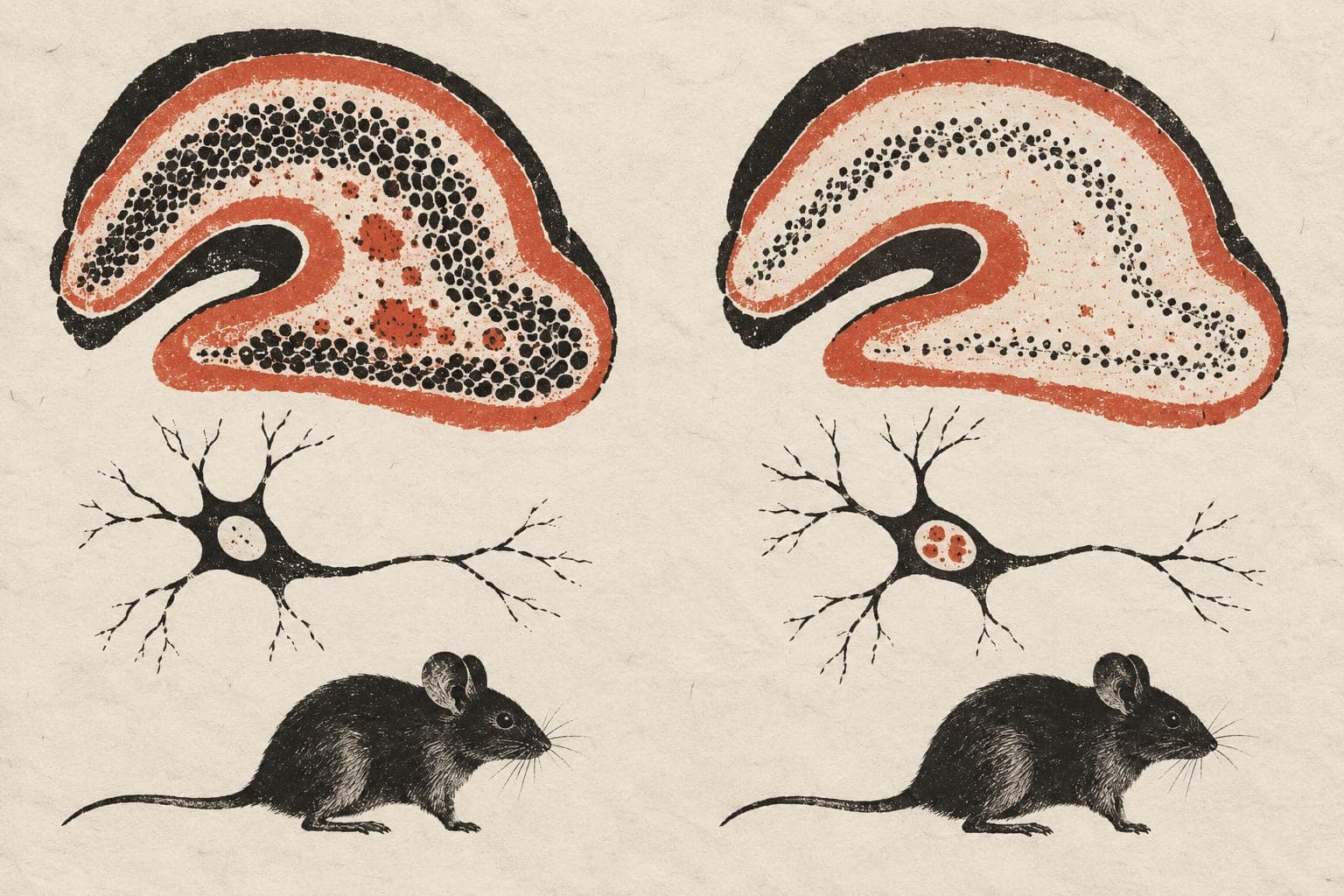
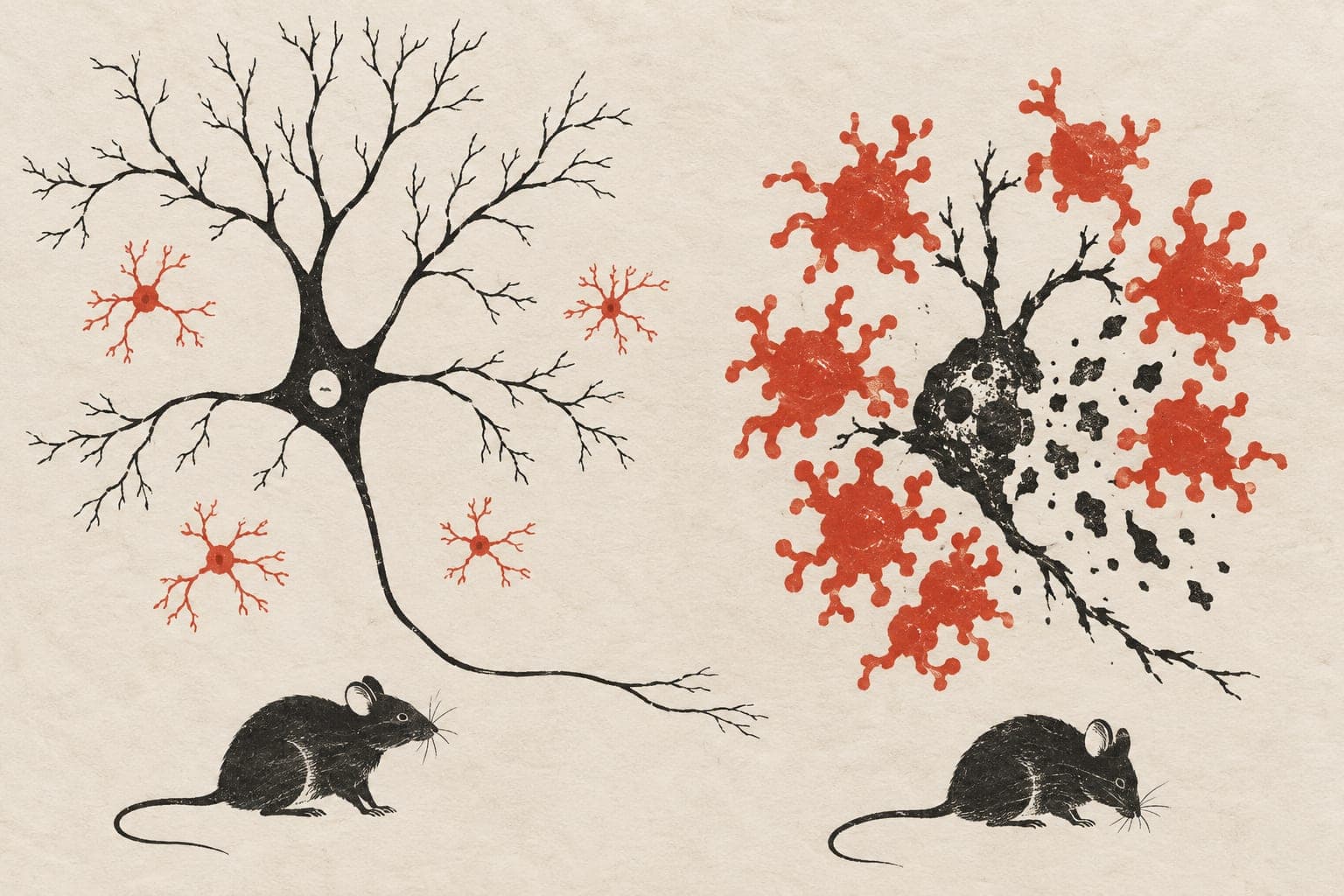
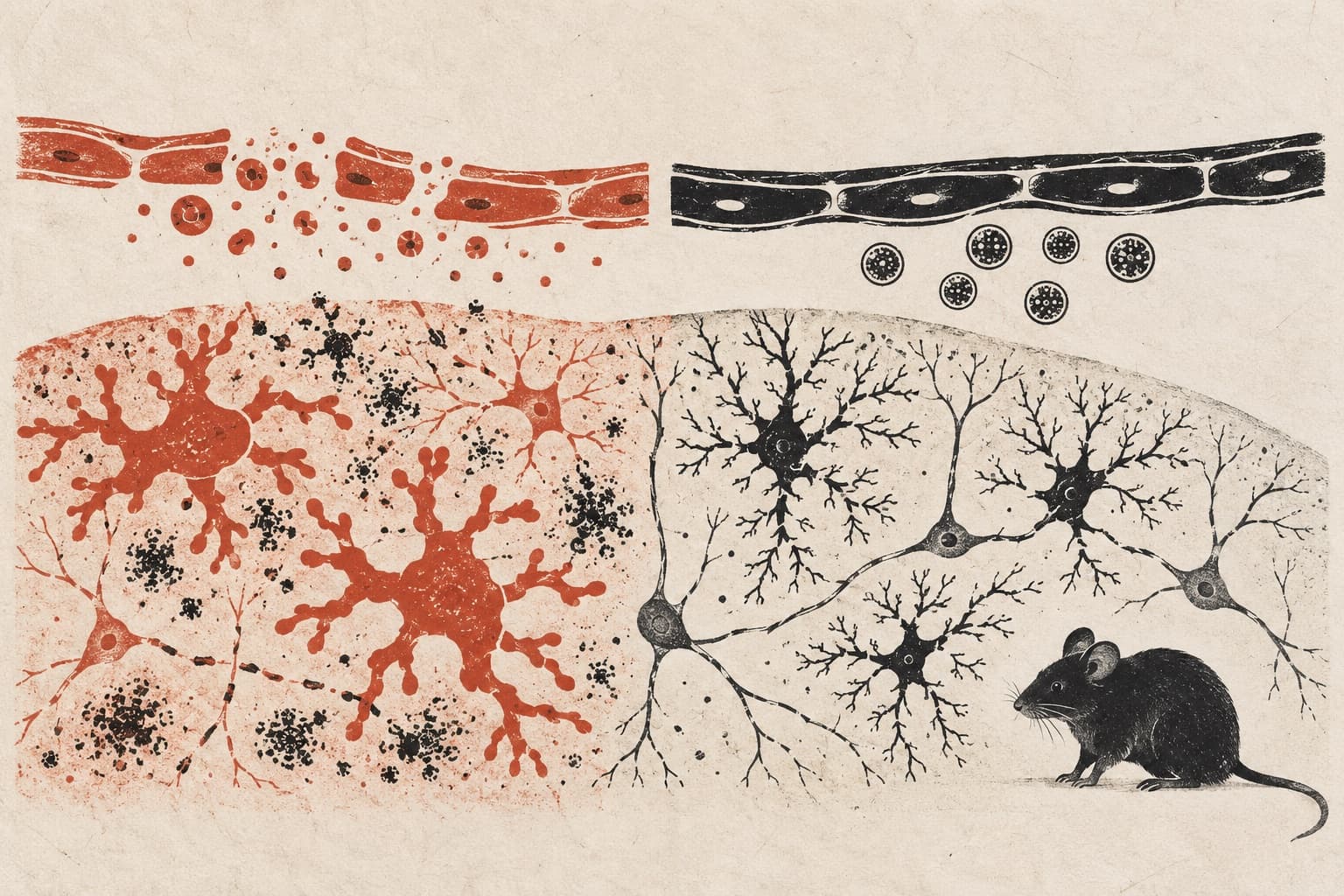
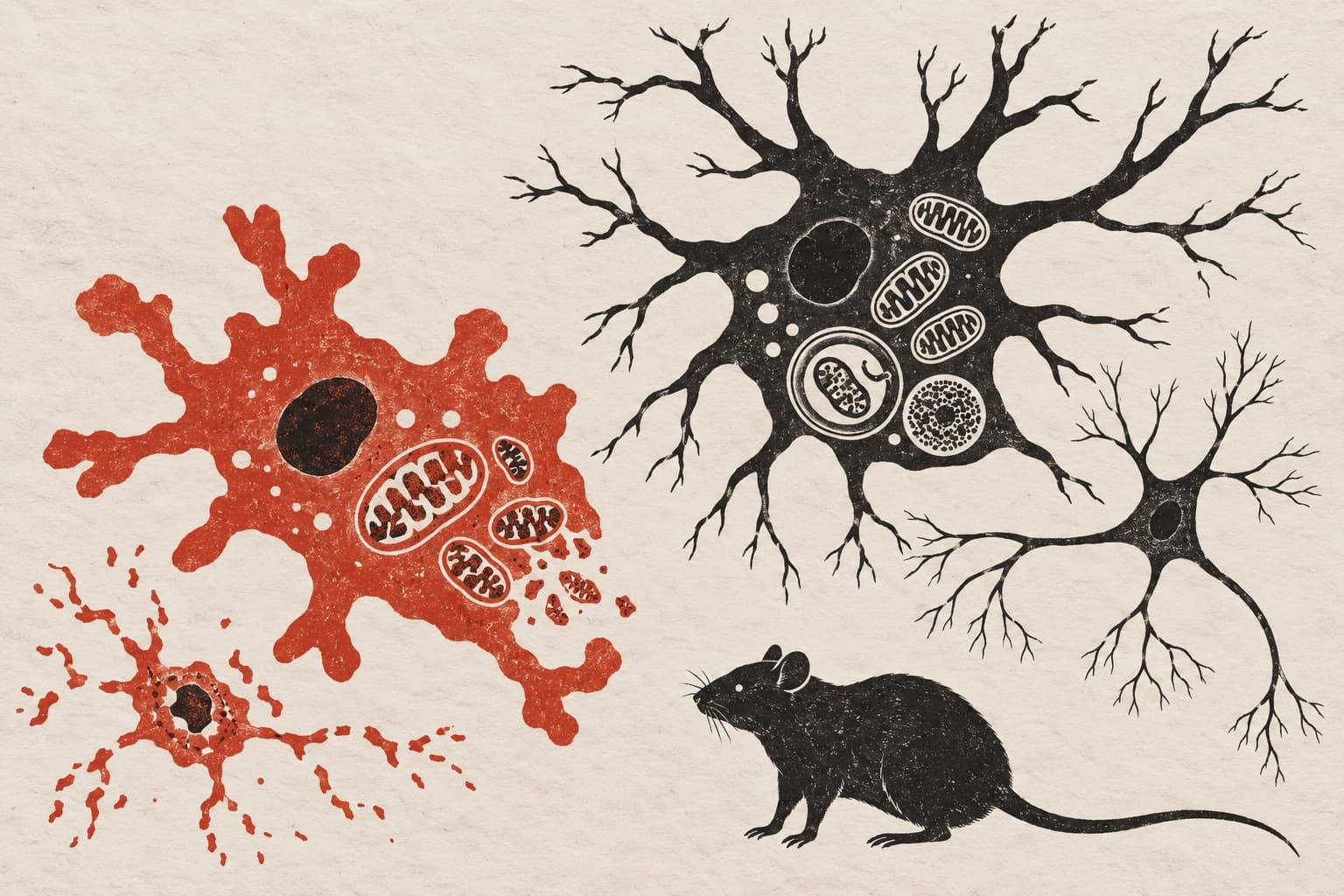
BACKGROUND: Perioperative neurocognitive disorder (PND) is a common postoperative complication, although its pathophysiological mechanisms remain incompletely understood. Inositol-requiring enzyme 1α (IRE1α) is an endoplasmic reticulum (ER) membrane sensor that participates in the pathogenesis of cognitive disorders through ER stress. However, its relationship with PND remains unclear. This study aimed to investigate whether IRE1α contributes to PND through surgery-induced ER stress. METHODS: An abdominal surgery model was used to investigate the postoperative effects of surgery on the mouse hippocampus. Behavioral tests, mRNA sequencing of hippocampal tissue, protein detection, Nissl staining, immunohistochemistry, immunofluorescence staining, and electron microscopy were performed. Aged mice in the surgery group received intraperitoneal injection of an IRE1α inhibitor. RESULTS: Surgery-induced cognitive impairment was mainly observed in aged mice. Surgery-induced ER stress was associated with activation of the IRE1α/ASK1/JNK pathway, increased microglial activation, enhanced release of inflammatory factors, and mitochondrial damage. Treatment with the IRE1α inhibitor improved these outcomes. CONCLUSION: Surgery-induced ER stress was associated with IRE1α overactivation and postoperative cognitive impairment in aged mice. Suppression of the IRE1α/ASK1/JNK pathway ameliorated postoperative neuroinflammation, mitochondrial pathology, and microglial activation, thereby improving postoperative cognitive function in aged mice.
The paper
Nanjing First Hospital
Brain Research, 1 Jun 2026