Age-related reduction of pyruvate dehydrogenase kinase 1 impairs T cell responses
Abstract
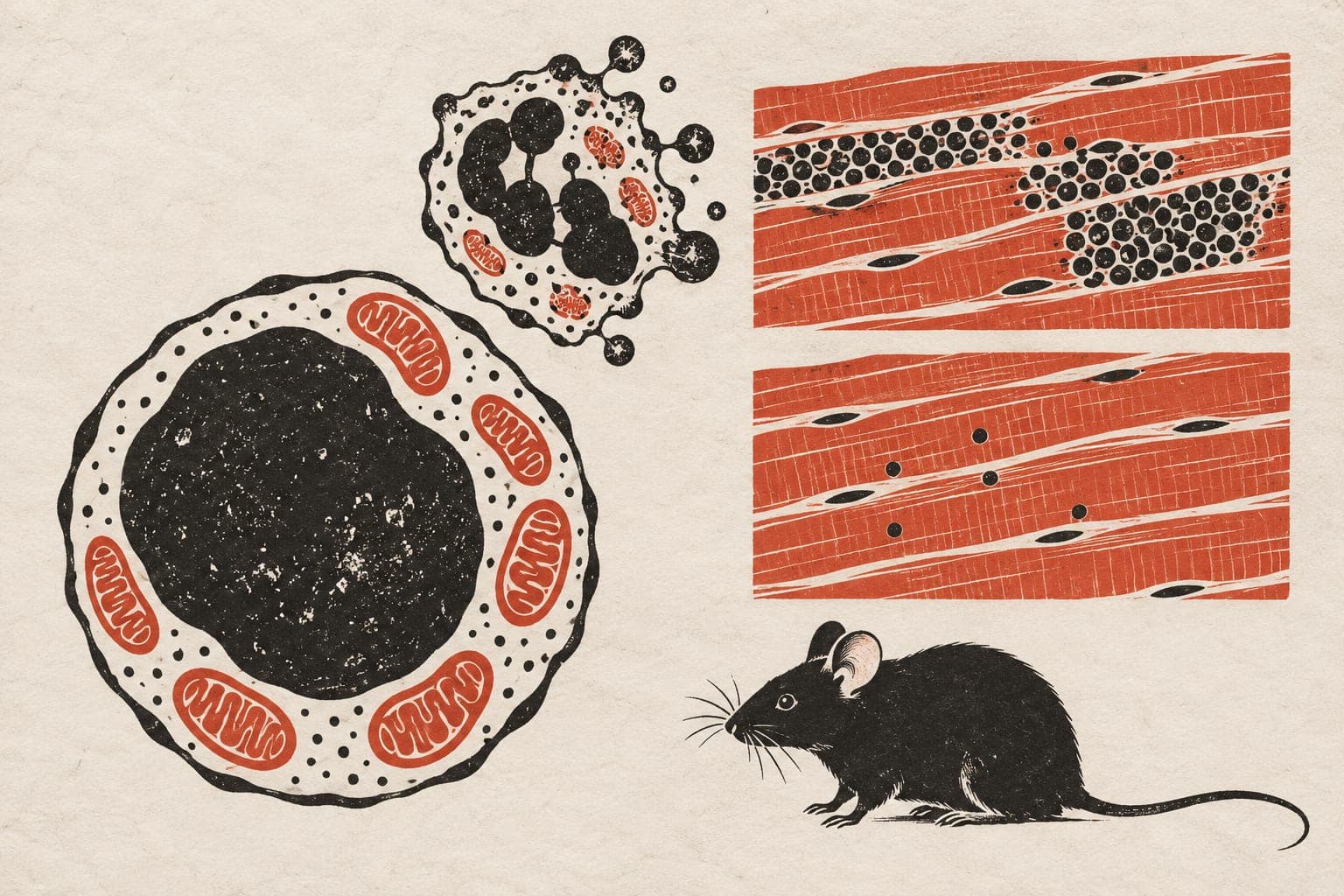
Aging is associated with impaired T cell immune responses, raising the susceptibility of the elderly to infections and cancers. Aged T cells exhibit impaired T cell responses to T cell receptor (TCR) stimulation accompanied by reduced glycolytic activity, but the molecular basis of these defects is largely elusive. Using data-independent acquisition (DIA) mass spectrometry-based proteomic analysis, we identified pyruvate dehydrogenase kinase 1 (PDHK1), a key glycolytic enzyme, as significantly downregulated in aged murine T cells. This loss of PDHK1 expression was confirmed in both CD4⁺ and CD8⁺ T cells from aged mice, regardless of their naïve or activated state. Consistent with this, aged T cells exhibited defects in the activation of glycolysis immediately after TCR stimulation. Furthermore, CRISPR-mediated Pdhk1 deletion in young T cells led to defective activation and effector molecule expression upon TCR stimulation, whereas enforced PDHK1 expression in aged T cells facilitated these responses. These data suggest that aging diminishes PDHK1 expression in T cells, contributing to impaired glycolysis and T cell responses, which can be therapeutically restored by PDHK1 overexpression.
The paper
Okinawa Institute of Science and Technology Graduate University
Frontiers in Immunology, 11 May 2026, Open access
doi.org/10.3389/fimmu.2026.1800870PubMed 42199432
Corrected, 4 Jun 2026