Hippocampal subfield volumes and associated cognitive decline with ageing
Abstract
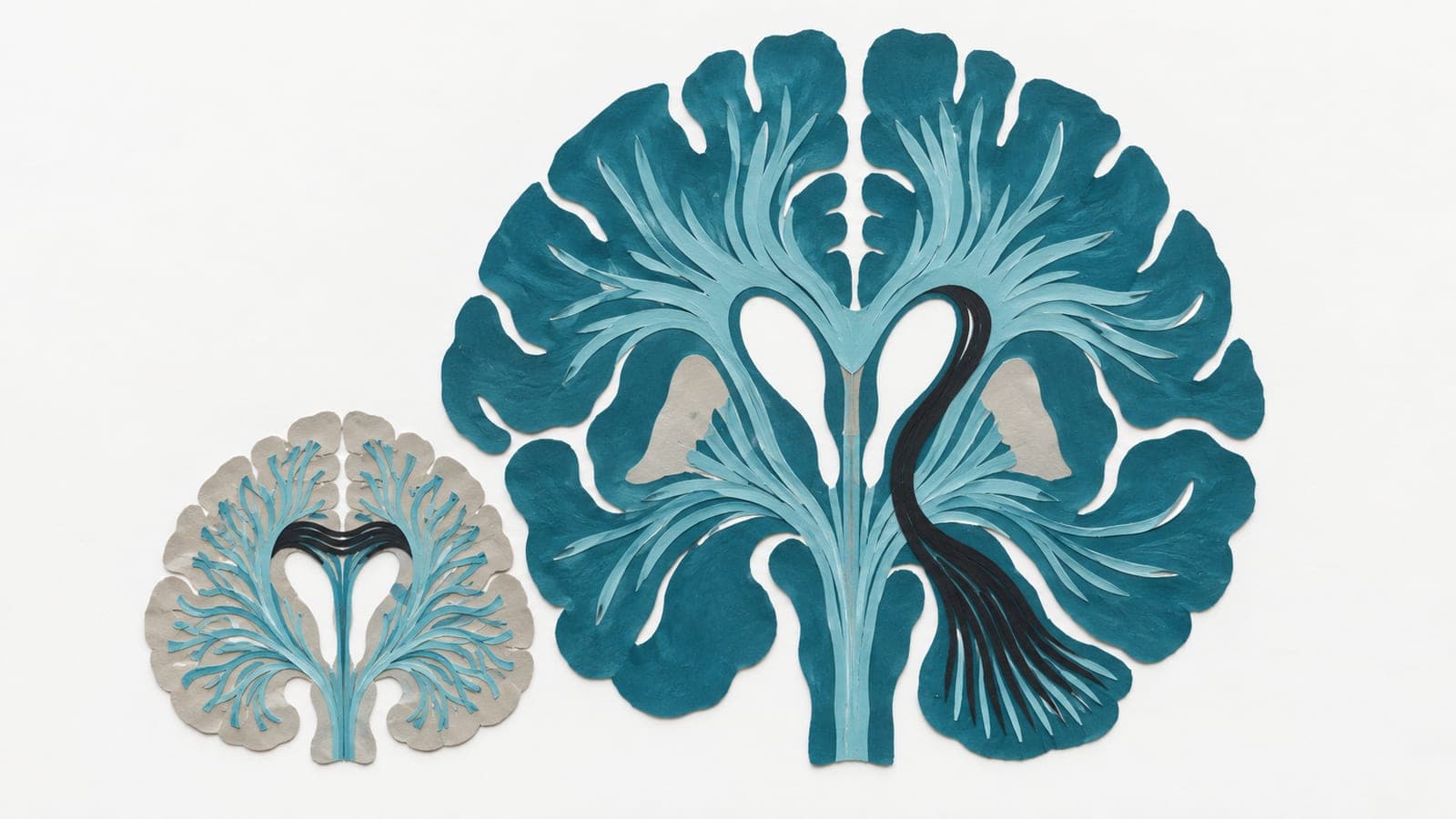
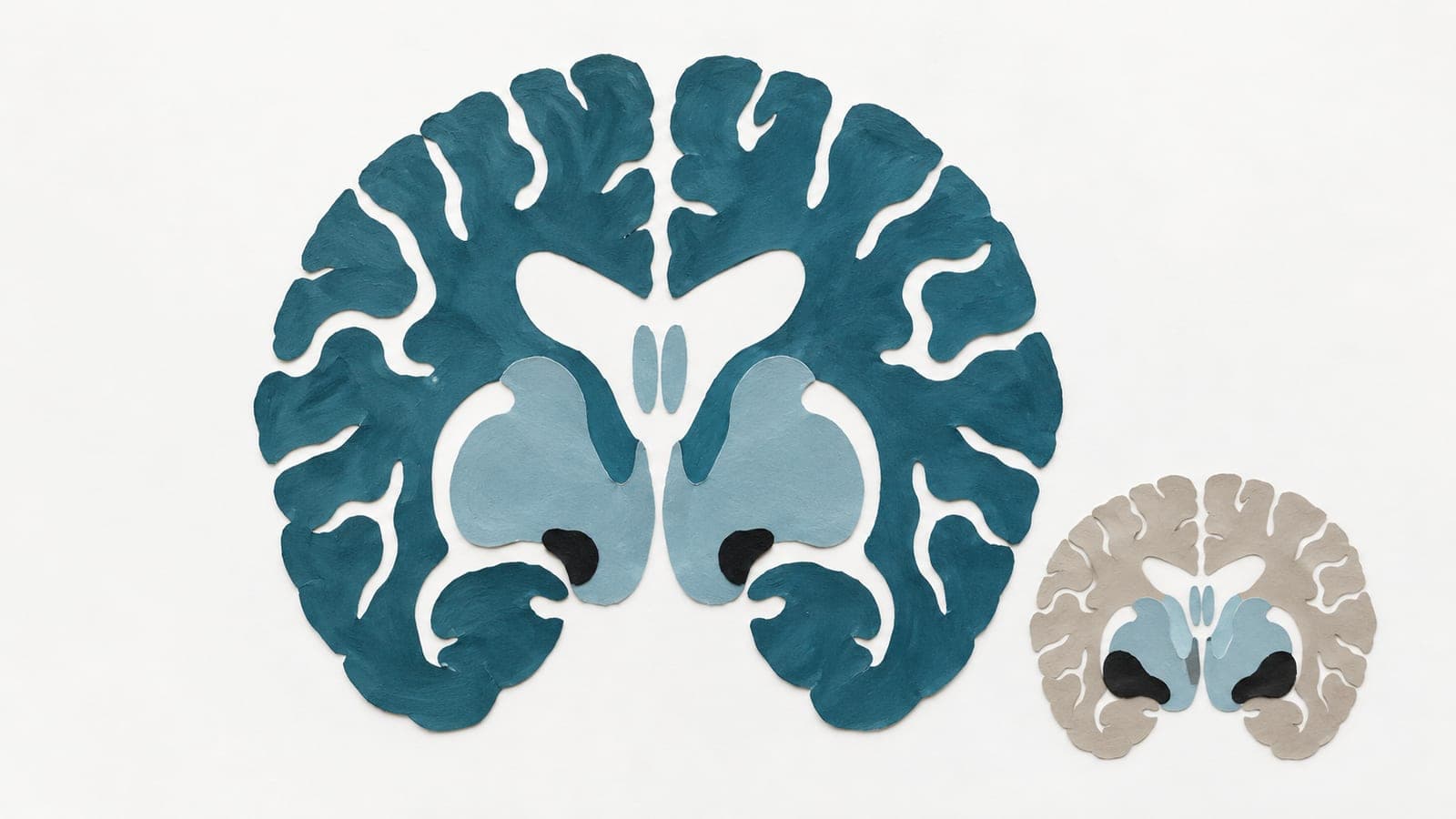
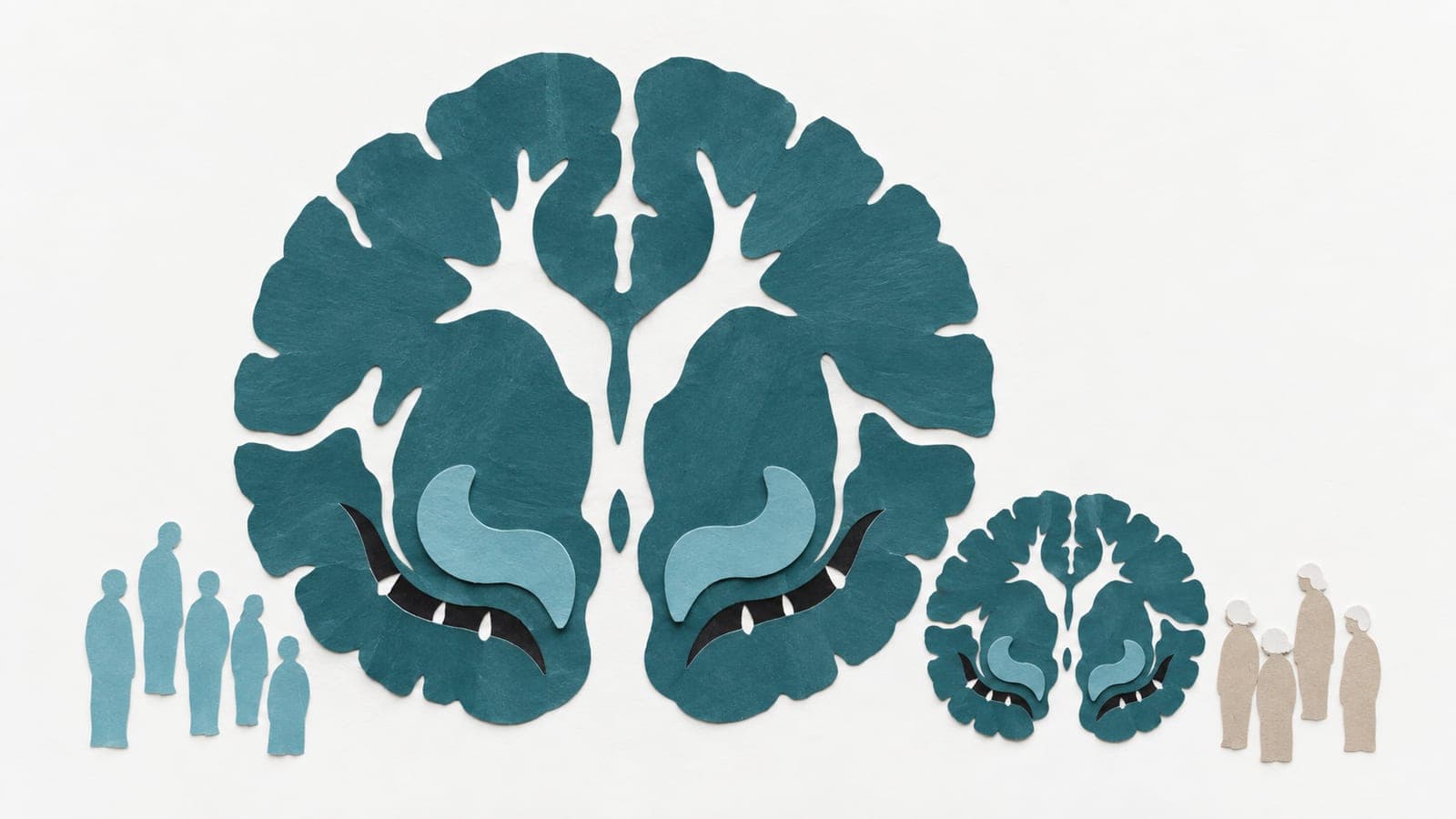
The aim of the study is to investigate age-related changes in hippocampal subfield volumes and their associations with cognitive performance in a healthy Indian population. This study included 108 healthy participants divided into three age groups: younger (G1, 25-40 years, n = 38), middle (G2, 41-55 years, n = 30), and older (G3, 56-85 years, n = 40). Our results showed that auditory verbal learning (AVL), AVL immediate and delayed recall, and DSST scores were significantly lower in older adults. In contrast, trait anxiety was significantly higher in younger adults compared to G2 and G3, while perceived stress was higher in G1 and G2 compared to G3. Logical memory and sleep did not differ among the groups. Hippocampal subfield volumes were significantly reduced in G3, including bilateral subiculum and pre-subiculum, right para-subiculum, bilateral CA1, CA4, left CA3, bilateral GC-ML-DG, molecular layer, fimbria, and total hippocampal volume, whereas volumes remained stable in younger and middle-aged groups. Partial correlation analysis showed bilateral CA1, CA3, and Granule Cell -Molecular Layer of Dentate Gyrus (GC-ML-DG) volumes were significantly associated with auditory verbal learning and memory, bilateral GC-ML-DG with visuo-spatial coordination and psychomotor speed, and bilateral whole hippocampus with auditory verbal learning. Our findings demonstrate the decreased hippocampal subfield volume in elderly may be a common age-related neuropathological process, suggesting diminished neurogenesis and demyelination. These volumetric changes occur primarily in the elderly group and are relatively stable in other two groups indicating that decline in hippocampal subfield volumes begin only after midlife, leading to poor learning and memory performance. This study may be helpful for better understanding of the role of hippocampal subfields in learning and memory and suitable interventions thereof.
The paper
University of Trans-Disciplinary Health Sciences and Technology
Brain Research, 20 May 2026