Host immunosenescence compromises Mycobacterium tuberculosis clearance
Abstract
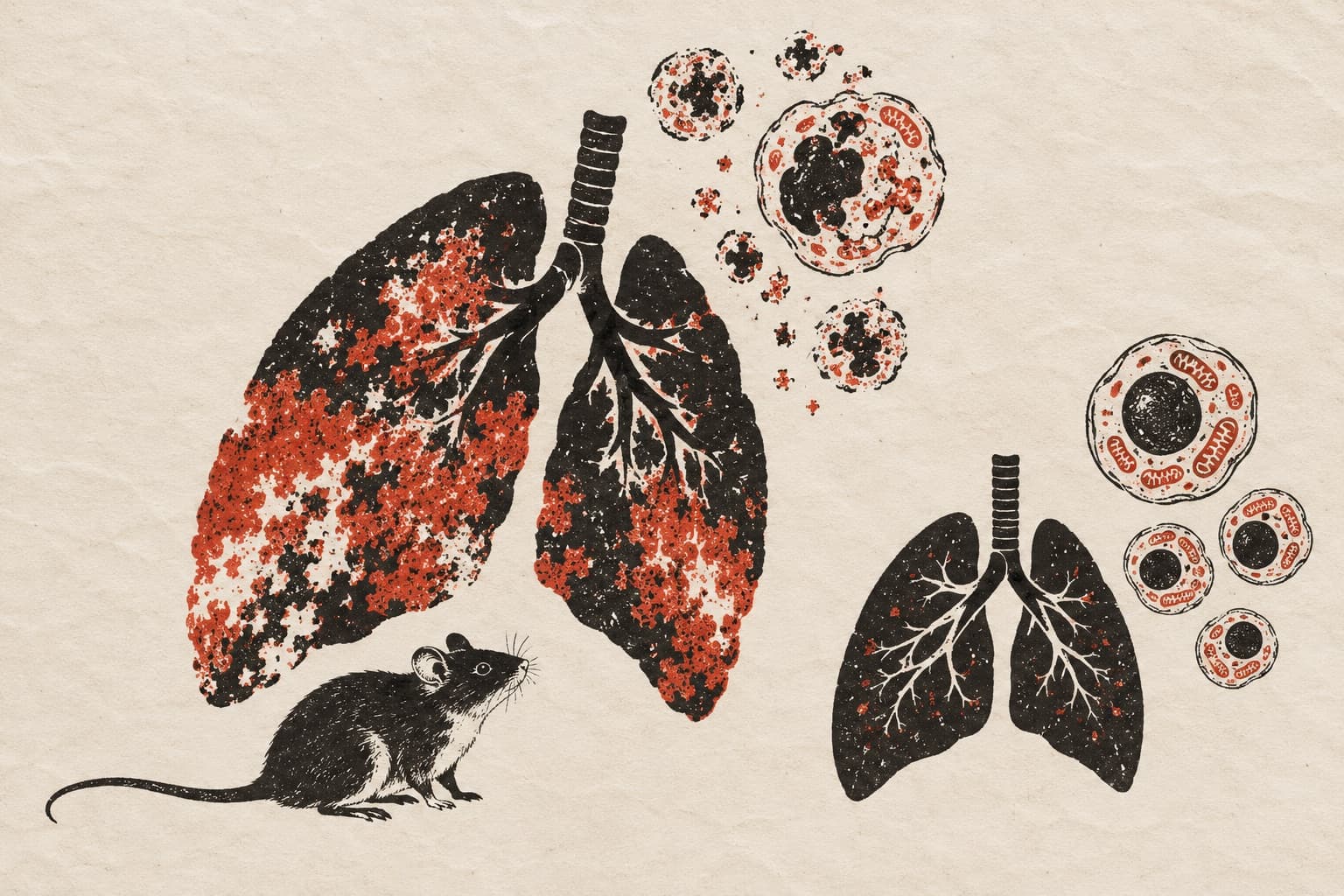
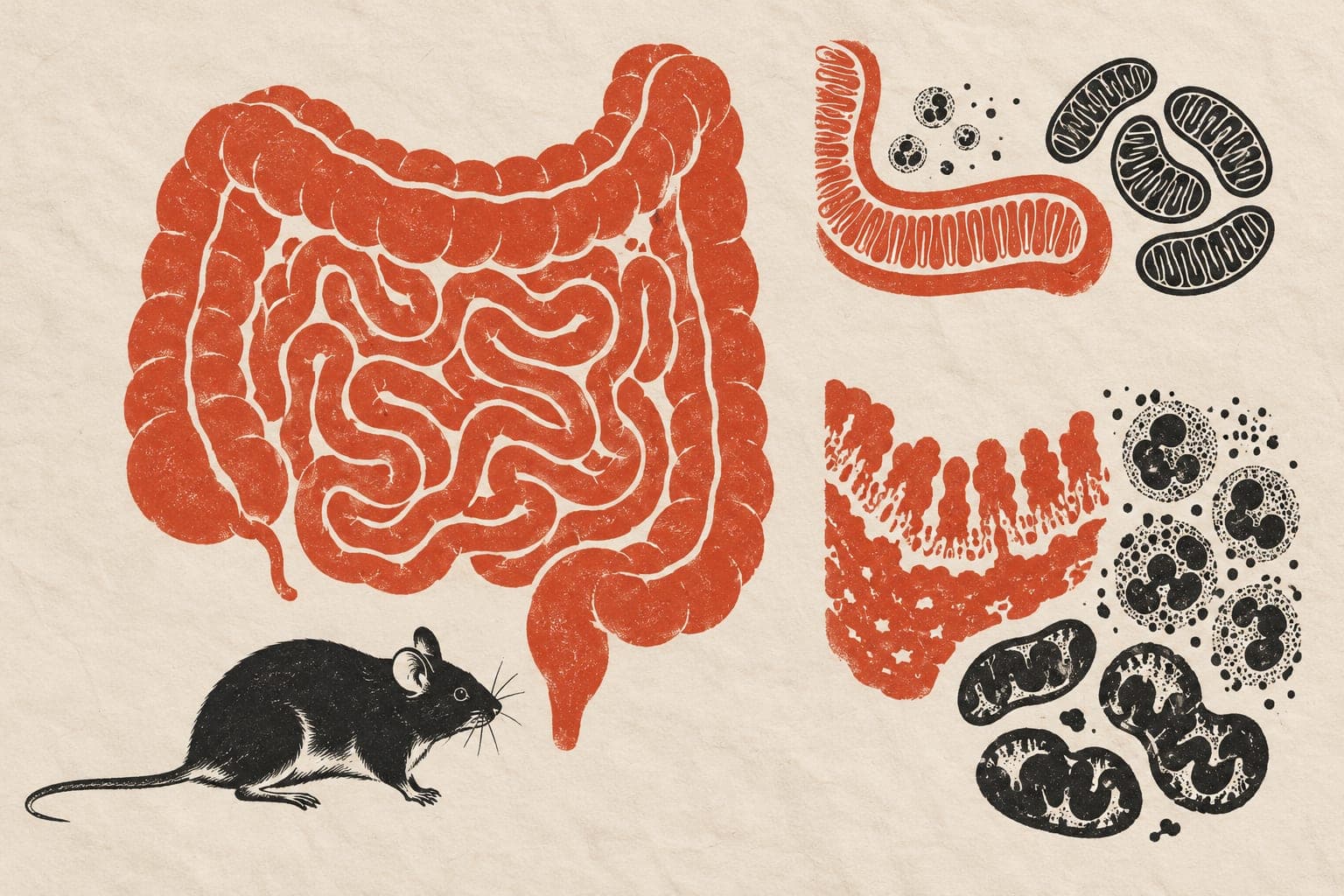
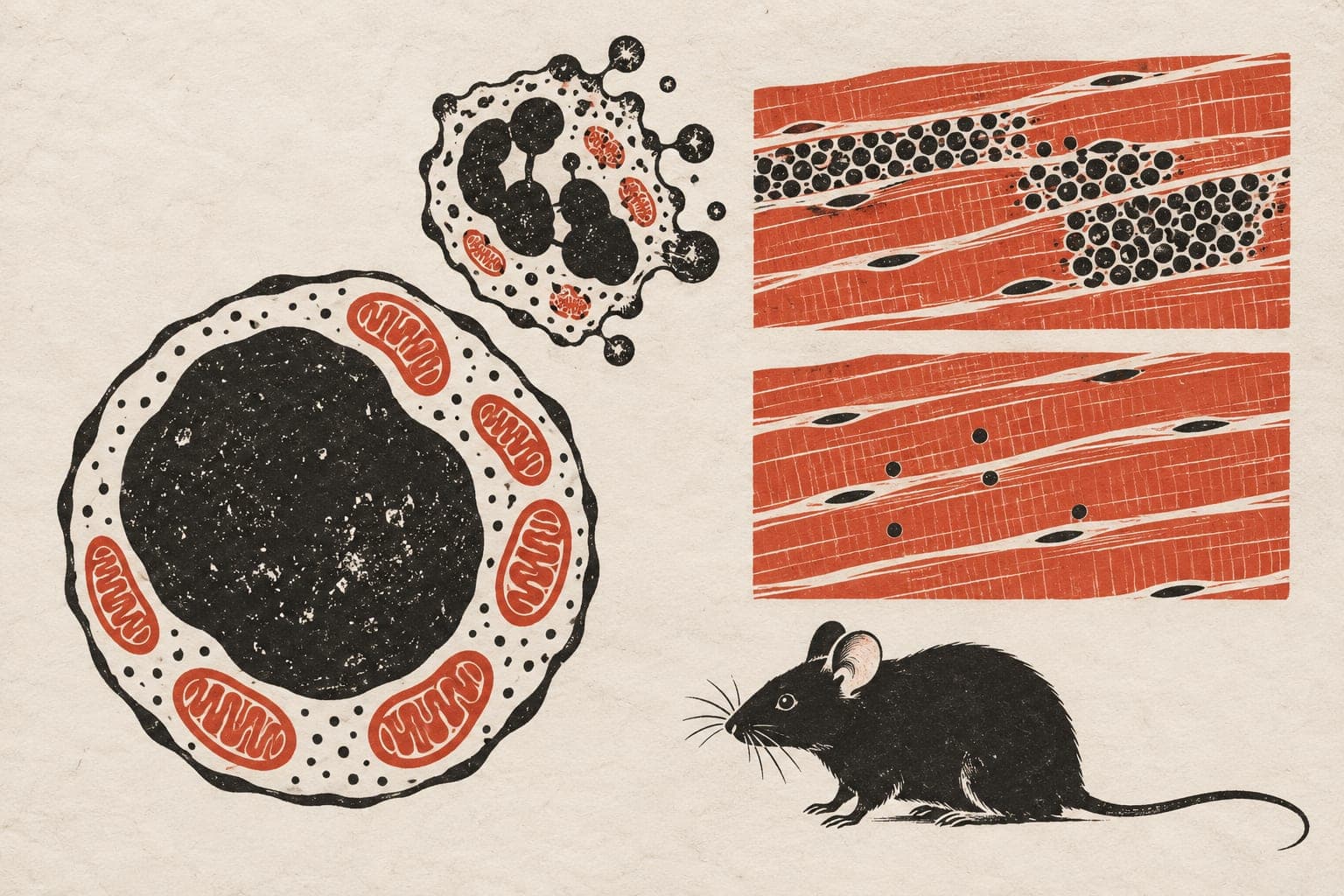
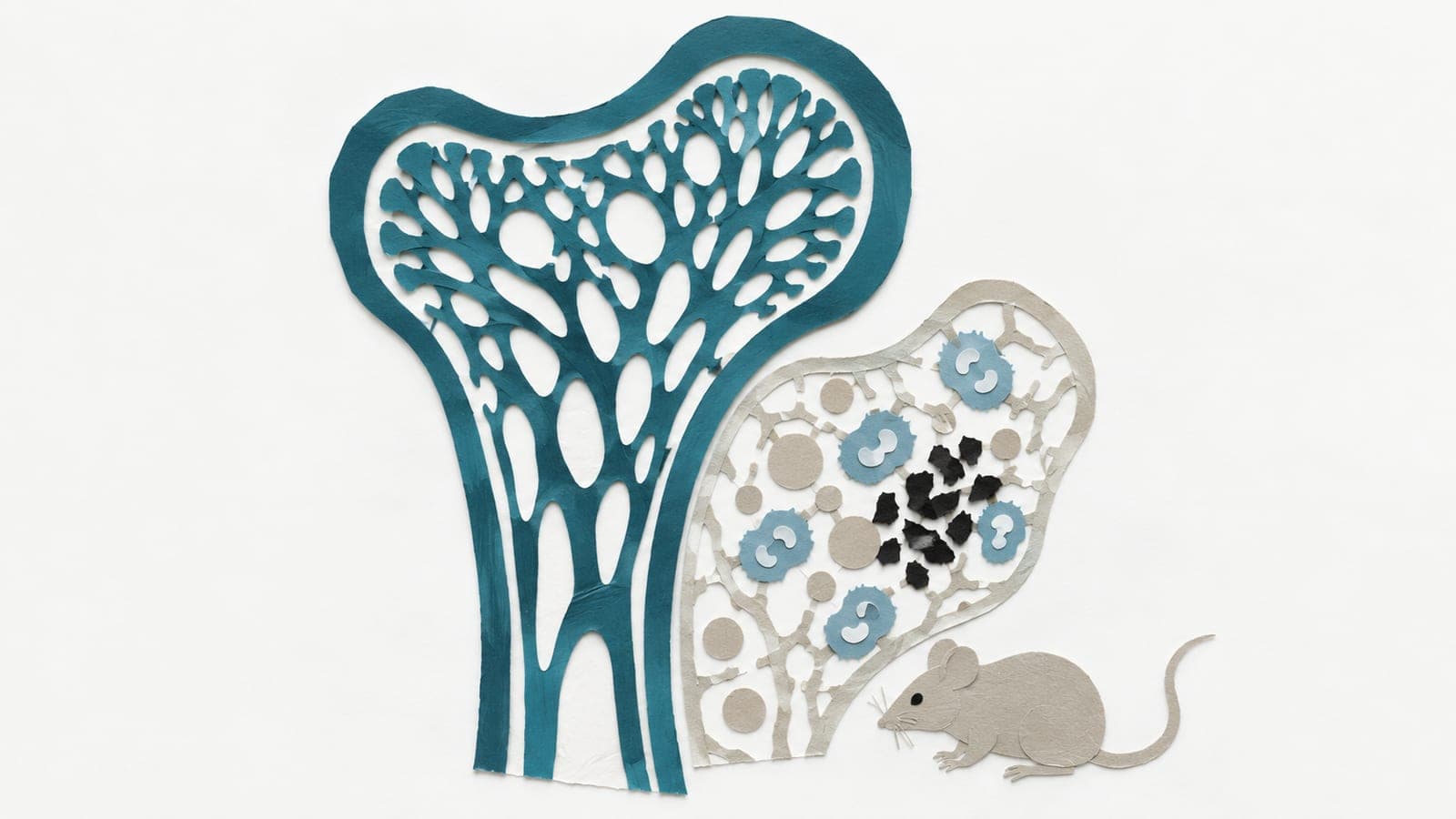
Immunosenescence increases susceptibility to infectious diseases like tuberculosis (TB) in older adults (≥60 years) and hinder effective containment of Mycobacterium tuberculosis (Mtb) during therapeutic intervention. A comprehensive understanding of the cellular and molecular changes underlying age-associated immune alterations may inform development of strategies to improve treatment outcomes. Here, we monitored the immunopathology, frequency, and functionality of immune cells across extreme age groups of C57BL/6 mice following low aerosol dose infection (100-120 cfu) with Mtb H37Rv and treatment with rifampicin and isoniazid (RIF-INH). Up to 6 weeks post infection, mycobacterial load in tissues (lung, spleen, and liver) of old (17-19 months; M) and aged (31M) C57BL/6 mice was similar to that of young (2-4M) mice. However, at two weeks post-treatment, older mice showed a slower rate of Mtb clearance in the lungs. Mtb-infected old mice had higher splenic T-follicular cytotoxic (TFC)-like cells, and proteomic analysis of flow-sorted CD4⁺CD44⁺ T cells revealed deregulated mitochondrial proteins (4-hydroxy-2-oxoglutarate aldolase, aspartate aminotransferase, and prostaglandin E synthase), suggesting impaired mitochondrial function. Collectively, these findings suggest that age-associated immune alterations may disrupt immunometabolic pathways, thereby contributing to the delayed Mtb clearance. Targeting immunometabolic dysfunction therefore represents a promising strategy to enhance TB treatment efficacy and reduce disease burden in older populations.
- Rifampicin + isoniazid
- Immune response
- Tuberculosis
- 4-hydroxy-2-oxoglutarate aldolase
- Aspartate aminotransferase
- M. tuberculosis
The paper
International Centre for Genetic Engineering and Biotechnology
Aging, 4 May 2026, Open access