Metformin attenuates lens epithelial cell senescence by suppressing cGAS-STING via SIRT1-PGC-1α-mediated mitochondrial fission
Abstract
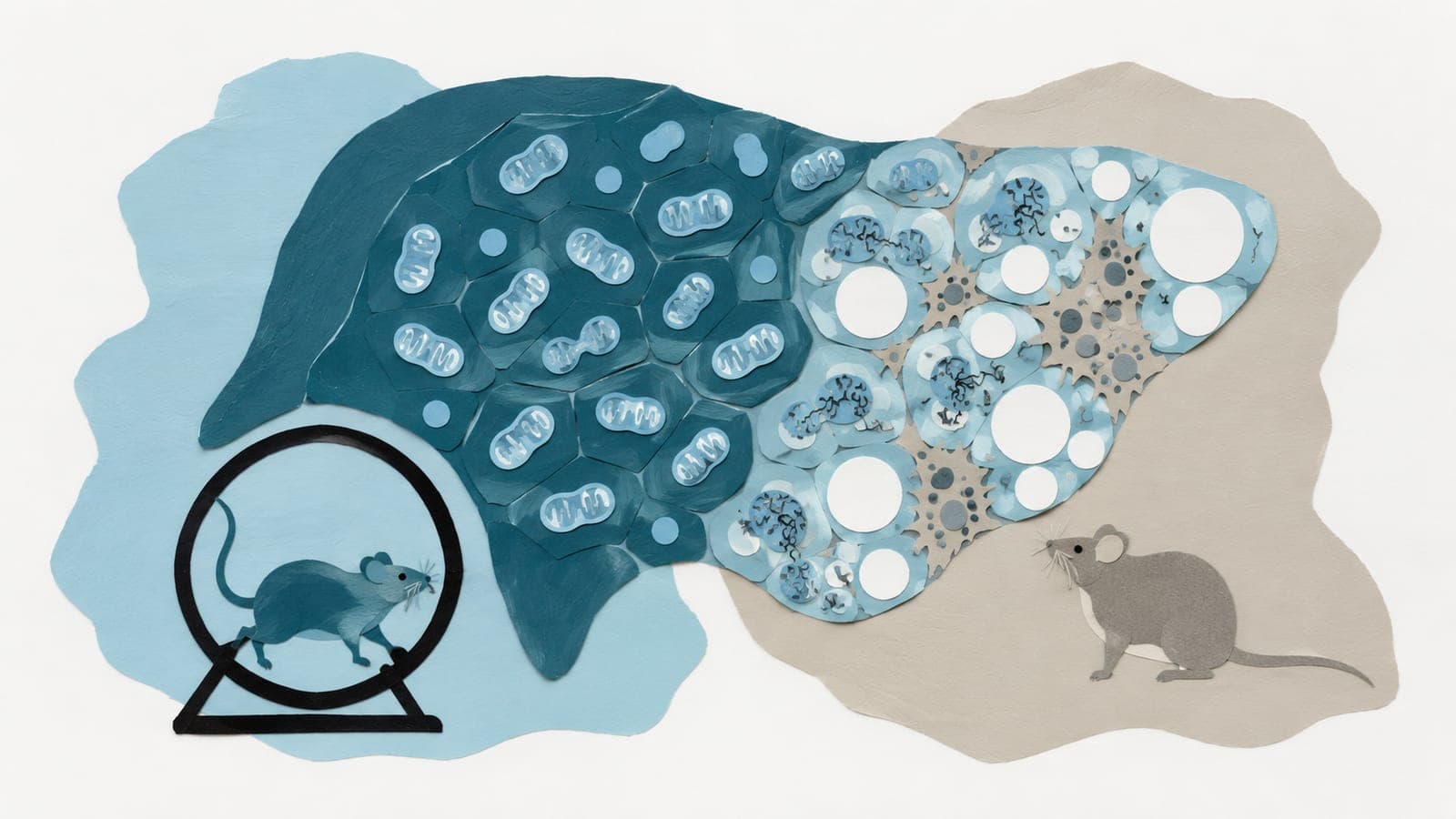
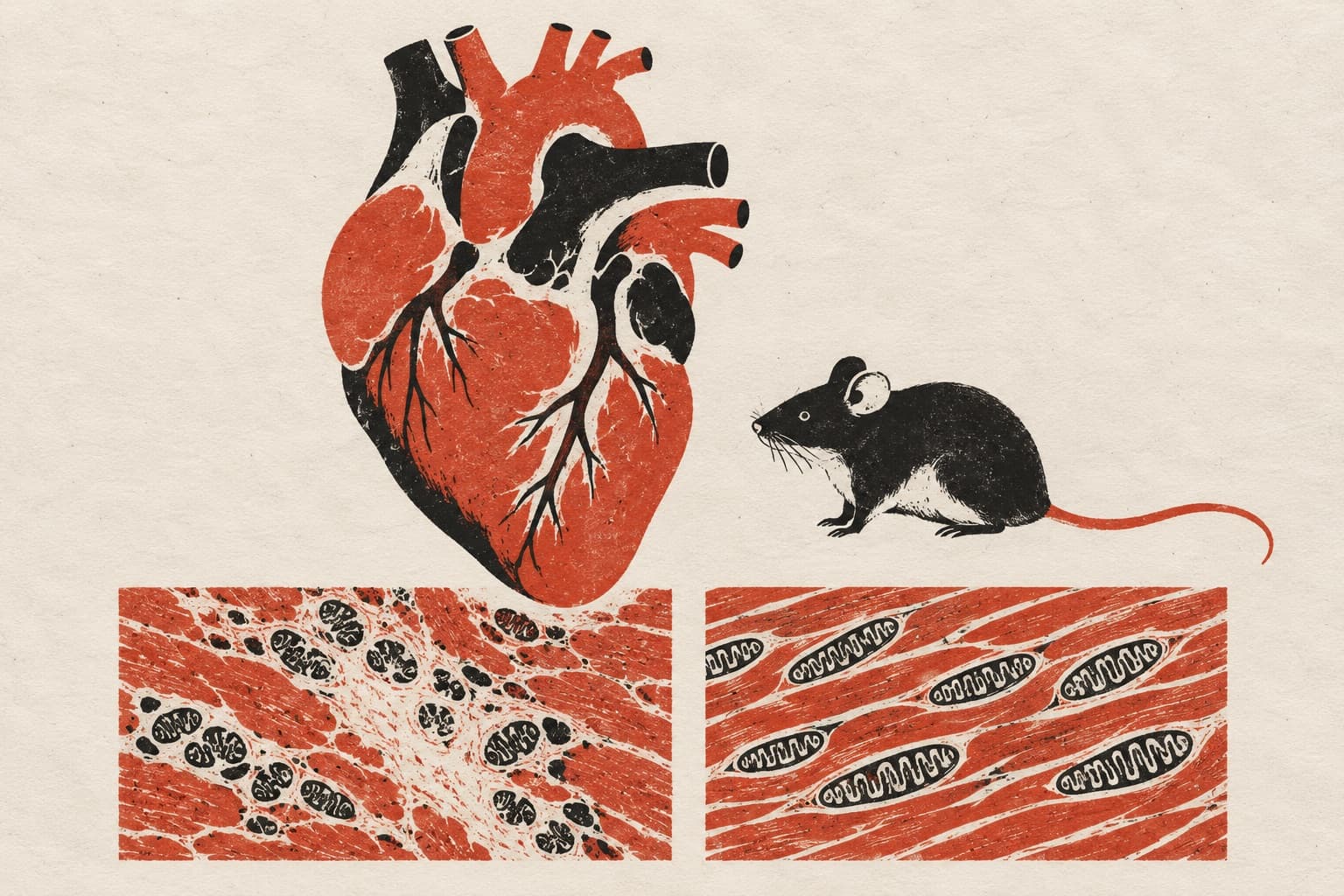
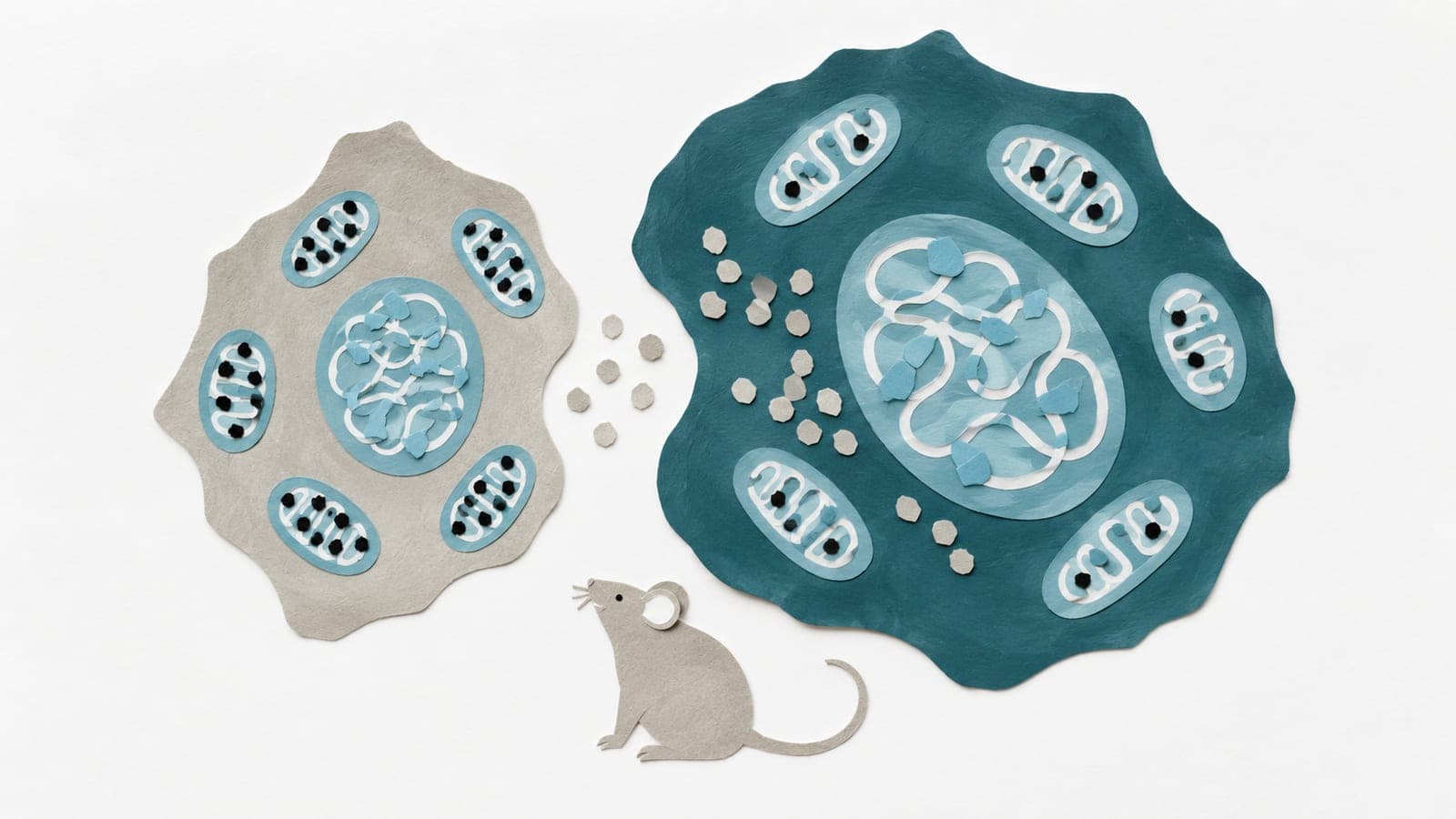
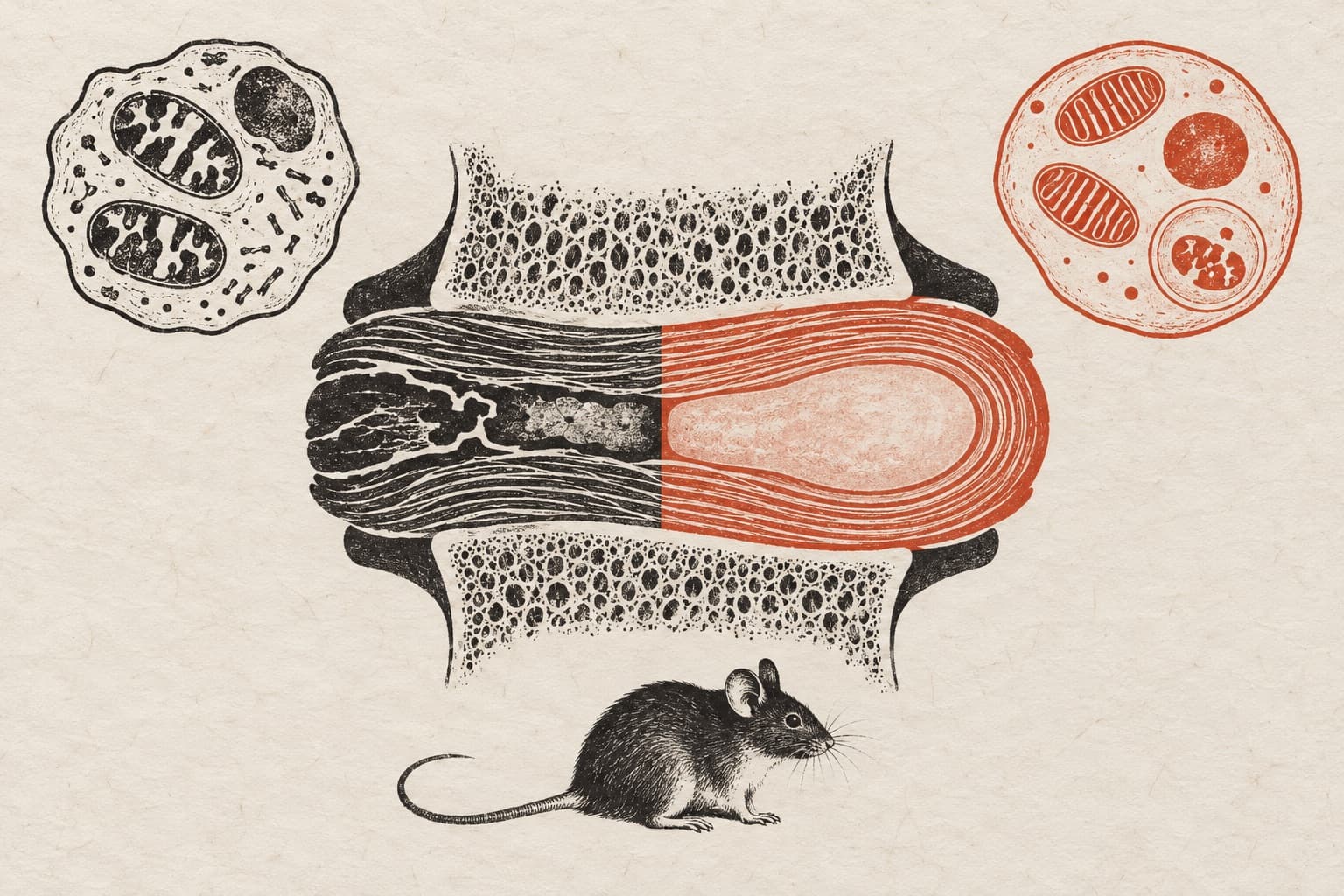
UVB-induced lens epithelial cell (LEC) senescence is among the important factors involved in the pathogenesis of age-related cataract (ARC). This study aimed to investigate the anti-aging effect of metformin (Met) and to elucidate the molecular mechanisms underlying this effect. RNA sequencing, nontargeted metabolomics analysis and network pharmacology were conducted. The expression of senescence indicators (P53 and P21Cip1) and senescence-associated β-galactosidase (SA-β-gal) activity were assessed. Mitochondrial function and dynamics were evaluated by measuring the mitochondrial membrane potential (MMP), transmission electron microscope (TEM), and Western blotting. Cytosolic mtDNA was visualized by fluorescence staining, and the activation of the SIRT1-PGC-1α pathway and the cGAS-STING pathway were analysed by Western blotting. Our findings indicated that cellular senescence was predominantly responsible for UVB-induced cataract. Met attenuated UVB-induced cataract by inhibiting the senescence phenotype. Mechanistically, Met activated the SIRT1-PGC-1α pathway to inhibit mitochondrial fragmentation. This attenuation of mitochondrial fragmentation reduced mtDNA release into the cytosol, thereby inhibiting the activation of the cGAS-STING-mediated LEC senescence. Our findings on the efficacy of Met pave the way for the development of new pharmacological strategies to prevent cataract development.
The paper
First Affiliated Hospital of Harbin Medical University; Harbin Medical University
Experimental Gerontology, 30 Apr 2026, Open access