Regulatory mechanisms of age-related degenerative diseases: Insights from the gut microbiota-cellular senescence interaction network
Abstract
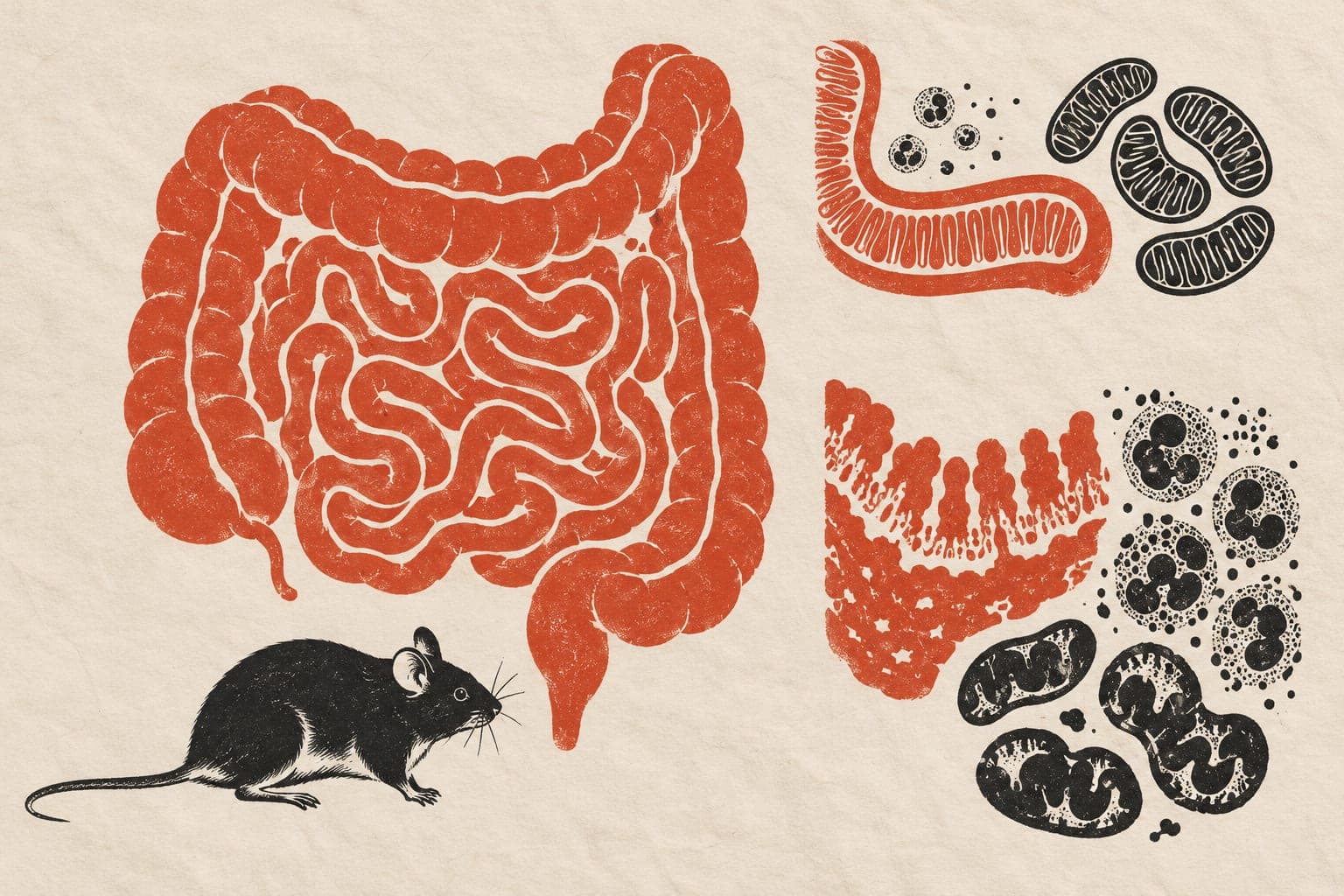
Global population aging has sharply increased the prevalence of age-related degenerative diseases, posing severe challenges to global public health and socioeconomic stability. Growing evidence links these disorders to the bidirectional crosstalk between gut microbiota and cellular senescence, yet the integrated interaction network governing multi-organ degeneration remains poorly defined. Age-related gut microbial remodeling reshapes metabolite profiles: beneficial metabolites mitigate cellular senescence through epigenetic regulation, antioxidant defense, inflammatory signaling inhibition, intestinal barrier maintenance and immune modulation, while detrimental metabolites induce cellular senescence via inflammatory cascade activation, mitochondrial dysfunction, DNA damage, endoplasmic reticulum stress and intestinal barrier impairment. The intestinal barrier-immune axis mediates the systemic propagation of senescence signals, and senescent cells together with their senescence-associated secretory phenotype (SASP) further exacerbate gut microbial dysbiosis to form a pathological vicious cycle. This review systematically dissects this interaction network and its pathogenic role in major degenerative diseases, and highlights precision targeting of this network as a promising strategy to intervene in these intractable diseases.
The paper
East China Normal University
Ageing Research Reviews, 29 Apr 2026