Unlocking the Gut-Brain-Heart Axis: Mechanistic insights and therapeutic avenues for sleep and cardiovascular comorbidity
Abstract
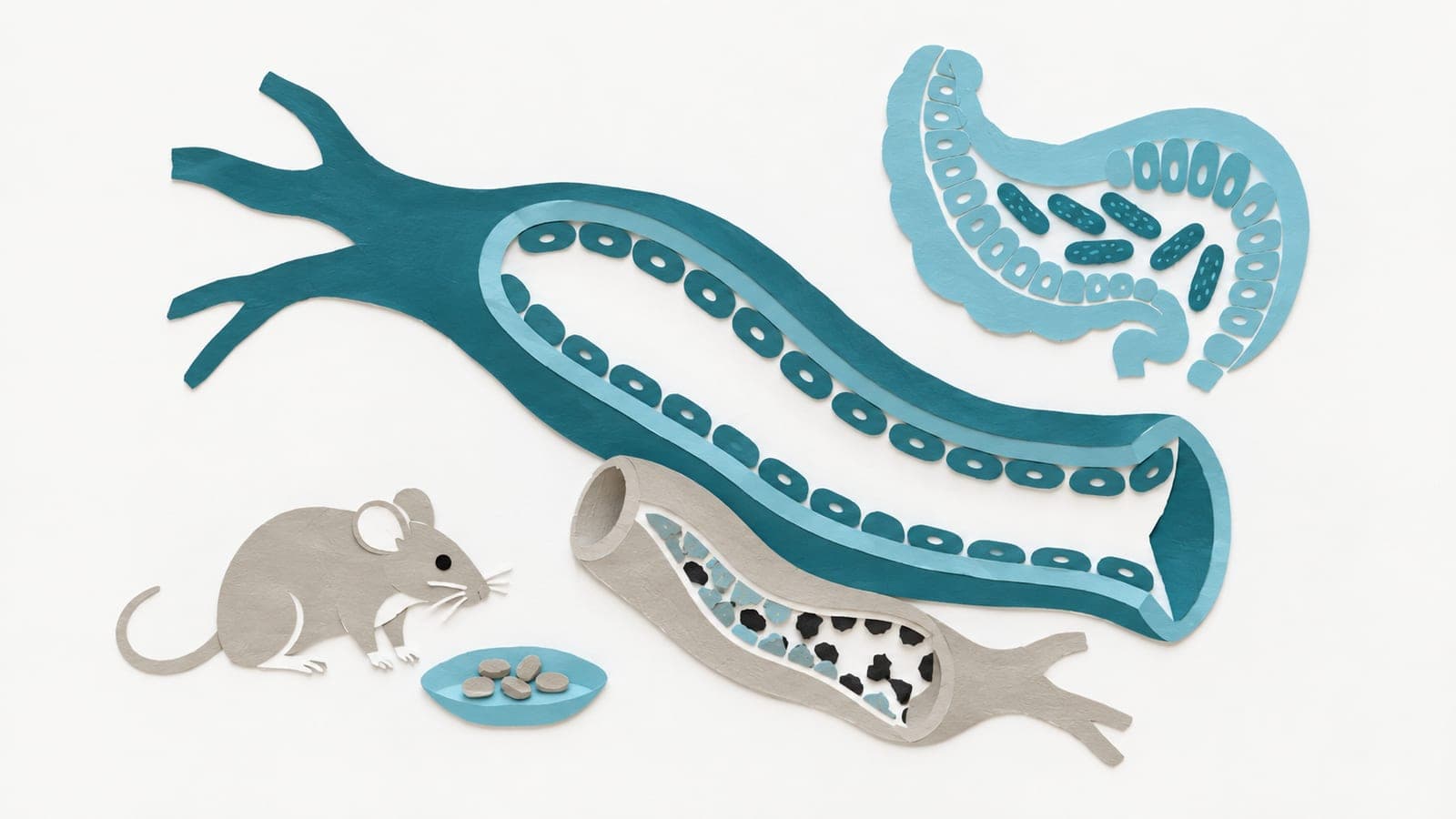
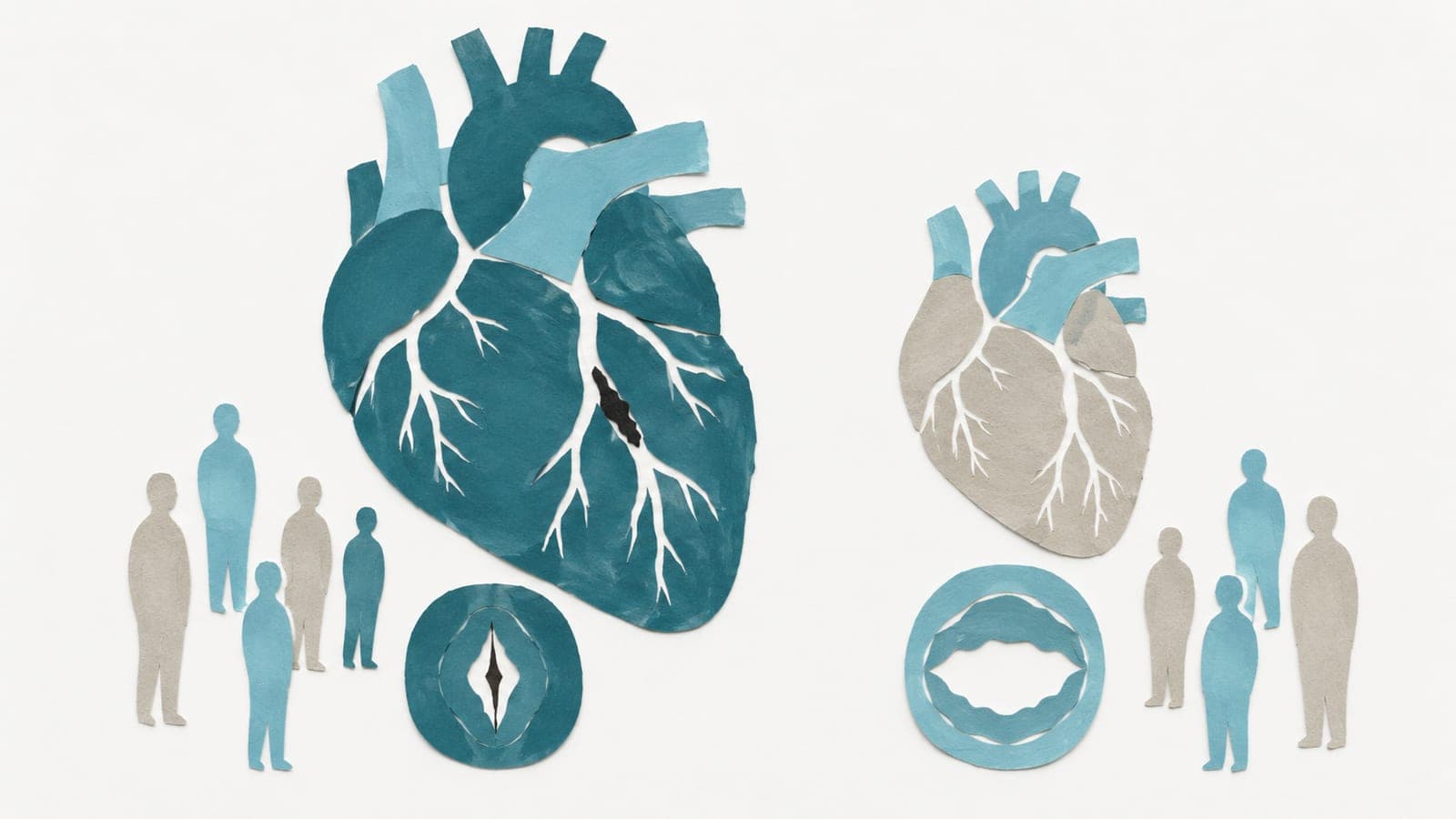
Sleep disorders and cardiovascular diseases are pressing global health concerns, whose prevalence and comorbidity significantly increase with age. The mechanistic underpinnings of this bidirectional relationship remain elusive. This review posits the Gut-Brain-Heart Axis (GBHA) as a critical integrative network bridging this clinical gap, particularly in the context of ageing. We synthesize compelling evidence that sleep disturbances induce gut dysbiosis, compromise intestinal barrier integrity-a vulnerability exacerbated by ageing-and alter microbial metabolite production, thereby initiating a cascade of systemic inflammation, oxidative stress, and neuroendocrine imbalance. These age-aggravated disruptions propagate cardiovascular injury through pathways including endothelial dysfunction, autonomic disruption, and myocardial remodeling. Central to this axis are microbiota-derived molecules (e.g., short-chain fatty acids, trimethylamine N-oxide, lipopolysaccharide), which we identify as key biochemical translators of sleep quality into cardiovascular status across the lifespan. Therapeutically, we highlight multi-level interventions targeting the GBHA-from microbiota-directed approaches to sleep-focused therapies-that demonstrate promise in restoring physiological homeostasis and improving clinical outcomes in the ageing population. Our analysis establishes the GBHA as a foundational framework for understanding the interplay between sleep, ageing, and cardiovascular comorbidity, thereby advocating a paradigm shift from organ-centric to system-based geriatric medicine and outlining a translational roadmap for future research.
The paper
Shaoxing University
Ageing Research Reviews, 10 Apr 2026