Bisphenol-A from environment macro-circulation to human micro-circulation: a novel link to abdominal aortic aneurysm
Abstract
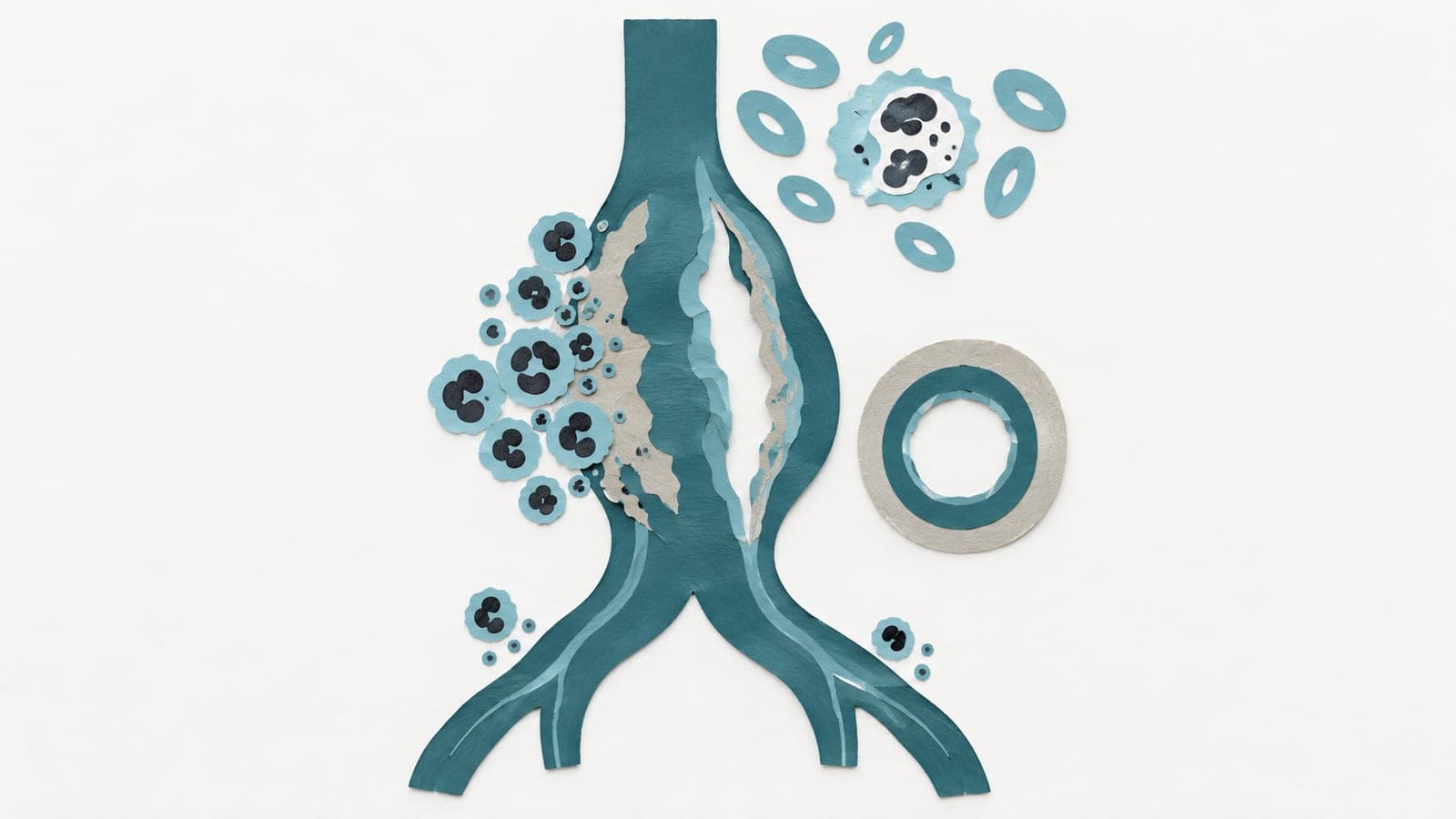
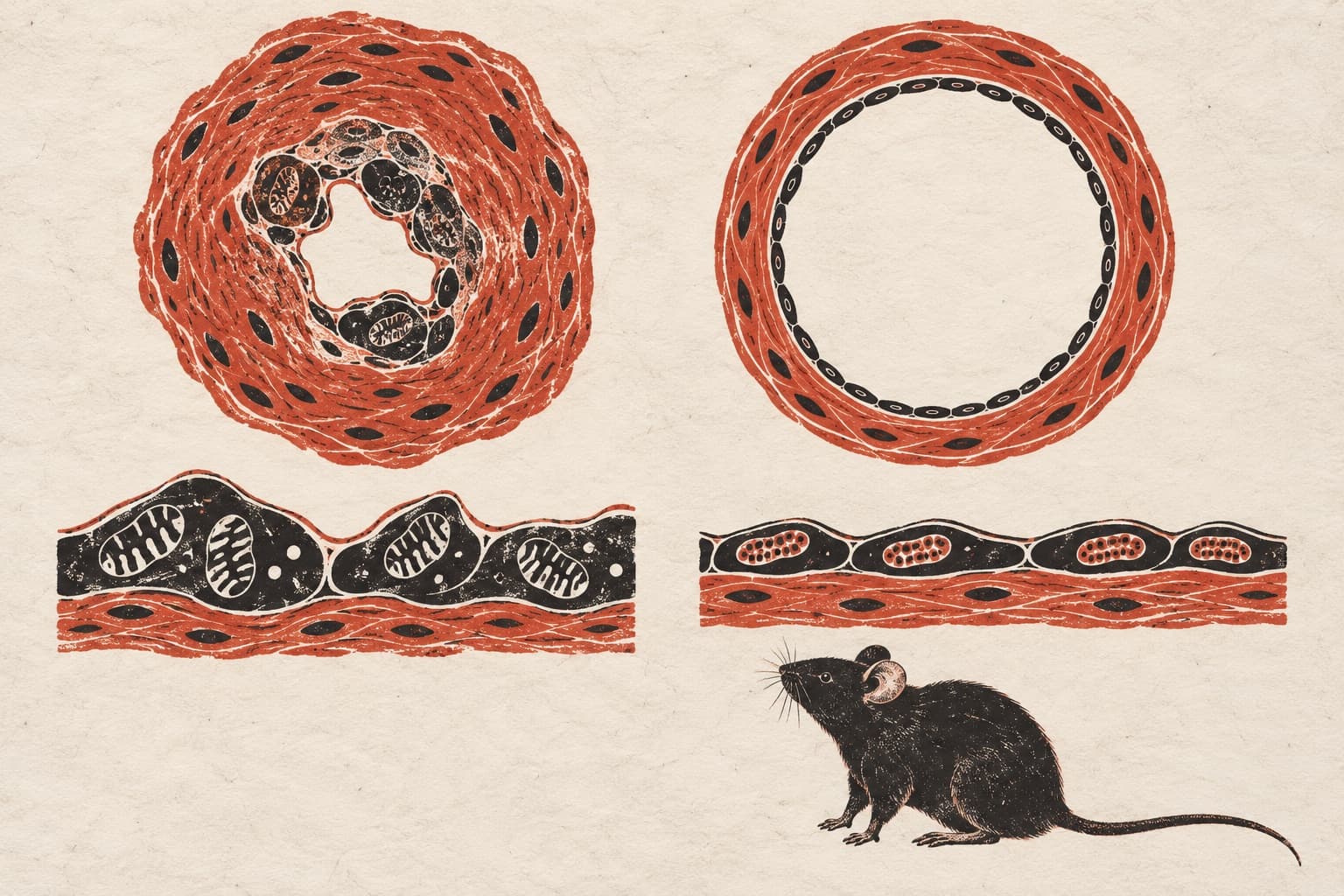
The current fragmented nature of research impedes a comprehensive understanding of the mechanistic pathways linking environmental exposure to emerging pollutants and their pathogenic outcomes. This study establishes a systematic framework linking bisphenol A (BPA) exposure to abdominal aortic aneurysm (AAA) development through integrated exposure modeling and cellular validation. Cross-species multi-omics analysis identified core targets, validated in vivo, revealing that BPA promotes AAA via TNF/NF-κB pathways, disrupting extracellular matrix remodeling, smooth muscle cell phenotype, inflammation, and senescence. Environmentally relevant BPA exposure altered key gene expression in vascular cells-Comp, Sdc2, and Sele in smooth muscle cells and macrophages; Comp, Ets1, Cd83, and Sele in endothelial cells; Comp, Lum, and Sele in fibroblasts-which also show prognostic potential. This work provides the first multiscale evidence chain from exposure to mechanism, improving BPA risk assessment and suggesting prevention targets for BPA-associated AAA.
The paper
Northeastern University; Chinese Research Academy of Environmental Sciences
Environment International, 28 Mar 2026, Open access
doi.org/10.1016/j.envint.2026.110217PubMed 41921401
Corrected, 1 Jun 2026