Associations between short-term temperature variability and DNA methylation aging: Evidence from a population-based cohort in Taiwan
7 days
Abstract
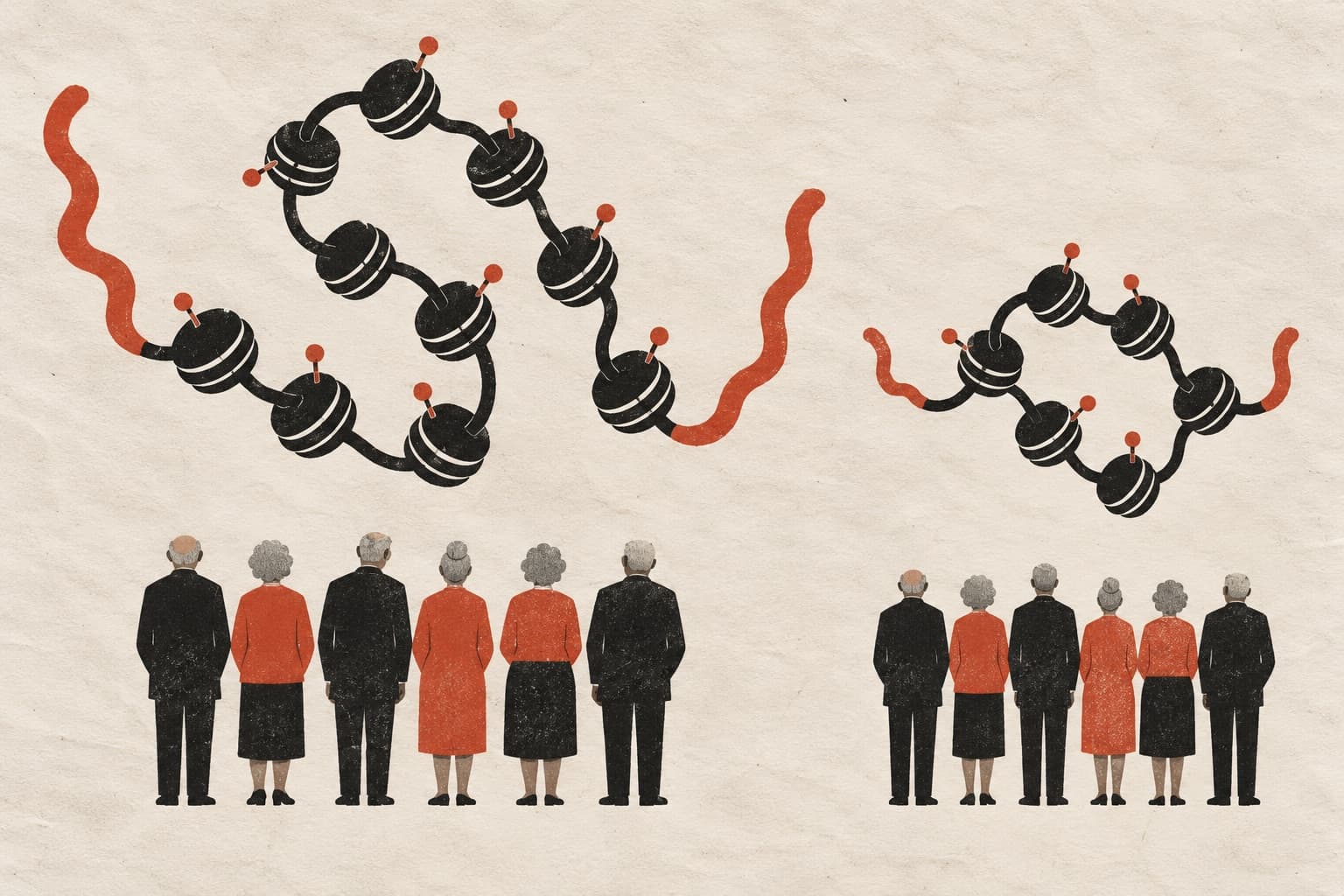
Climate change alters the magnitude and pattern of temperature variability, however, its relationship with biological aging remains poorly understood. This study assessed the associations between short-term temperature variability and DNA methylation age among 2084 participants enrolled between 2008 and 2016 from the Taiwan Biobank. Temperature variability within the 7-d exposure window was measured using six indices: both ambient temperature and the heat index (HI) were calculated for diurnal temperature range (DTR), temperature change between neighboring days (TCN), and temperature variability (TV). Age acceleration was defined as the difference between DNA methylation age and chronological age. Generalized additive models (GAMs) were used to quantify associations between temperature variability and age acceleration. Both low and high levels of temperature variability were significantly associated with age acceleration, with estimated increases between 0.1 and 4.2 years compared to reference levels. The associations of temperature variability with age acceleration remained significant after adjustment for ambient mean temperature. Seasonal differences were observed, with significant associations between temperature variability and age acceleration detected during the warm seasons. We also found stronger associations when temperature variability was derived from HI than from ambient temperature, suggesting that the association with biological aging may be stronger under humid conditions.
- Temperature variability
- Heat index
- DNA methylation
- Epigenetic regulation of gene expression
- Age acceleration
- Humans
The paper
College of Public Health
Environmental Research, 25 Mar 2026