Epigenetic clock timing in the endometrium of women undergoing in vitro fertilization
Multicentre
Abstract
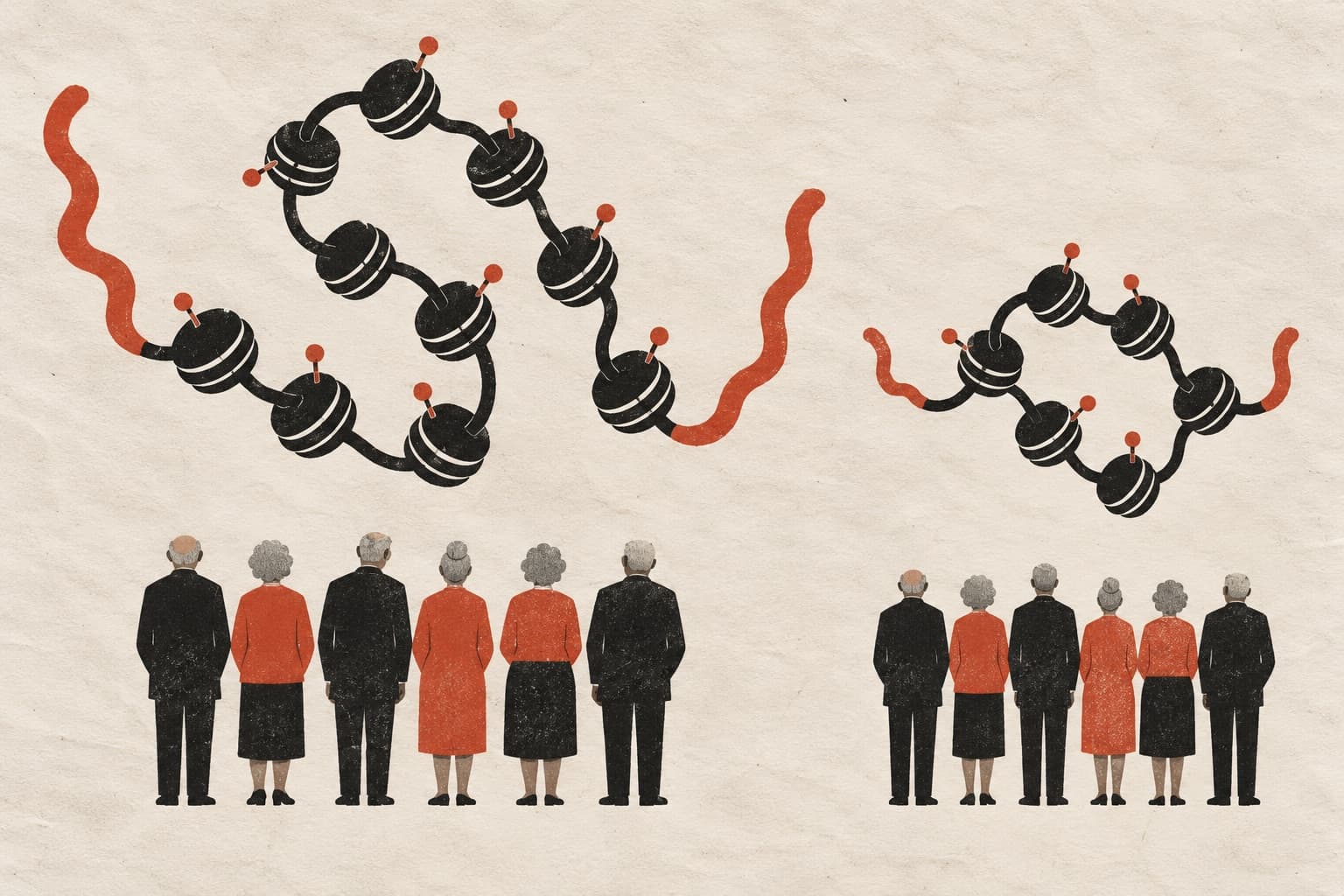
OBJECTIVE: To evaluate endometrial epigenetic age acceleration (EEAA)-the difference between epigenetic and chronological age-in endometrial tissue from patients undergoing in vitro fertilization (IVF), using Horvath's DNA-methylation-based clock. DESIGN: Cross-sectional observational study with prospective, multicenter data collection. SUBJECTS: A total of 91 Caucasian women aged 28.45-49.99 years undergoing IVF. All the participants followed a standardized hormone-replacement protocol (oral estradiol valerate and vaginal progesterone) and met the following inclusion criteria: body mass index 19-29.9 kg/m², endometrial thickness >6.5 mm, and absence of systemic or interfering conditions. EXPOSURE: Endometrial biopsies collected in the mid-secretory phase. MAIN OUTCOME MEASURES: Endometrial epigenetic age acceleration in an IVF population measured using Horvath's epigenetic clock. RESULTS: Endometrial epigenetic age in this population was 46.45 years, 5.79 years significantly higher than chronological age. EEAA significantly decreased with increasing age: 12.29 years in women aged ≤35 years, 10.31 years in those aged 36-40, 7.60 years in the group aged 41-45, and 3.40 years in women aged >45. CONCLUSION: The endometrium of women undergoing IVF shows significant epigenetic age acceleration, which is most pronounced at younger maternal ages. Although further studies linking EEAA to clinical outcomes are needed, EEAA may serve as a biomarker of endometrial health and fertility potential.
The paper
IVI Foundation
Fertility and Sterility, 19 Mar 2026