Blood and urine cell-free circulating DNA in older adults with sarcopenia: a hypothesis-generating study
Abstract
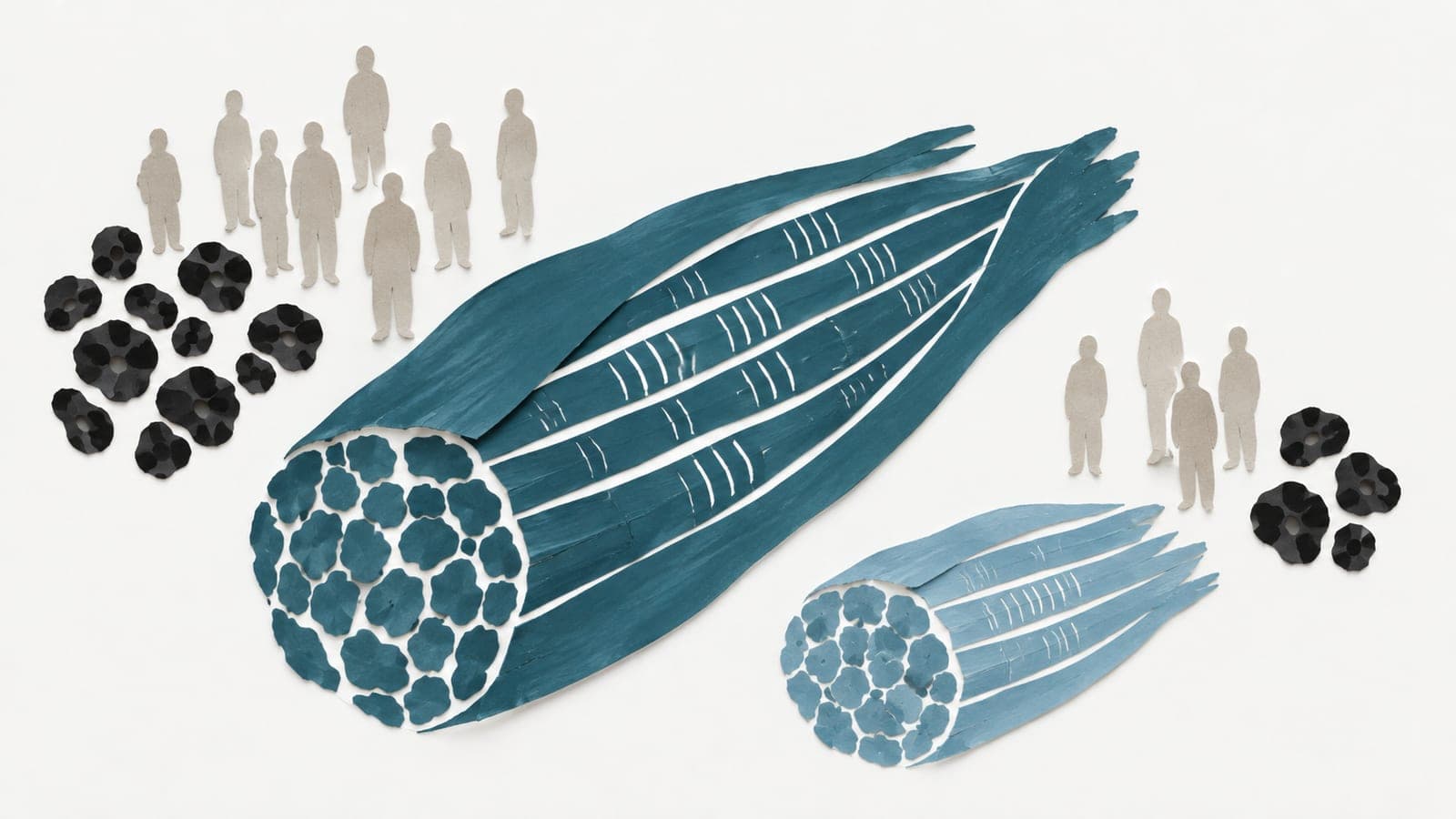
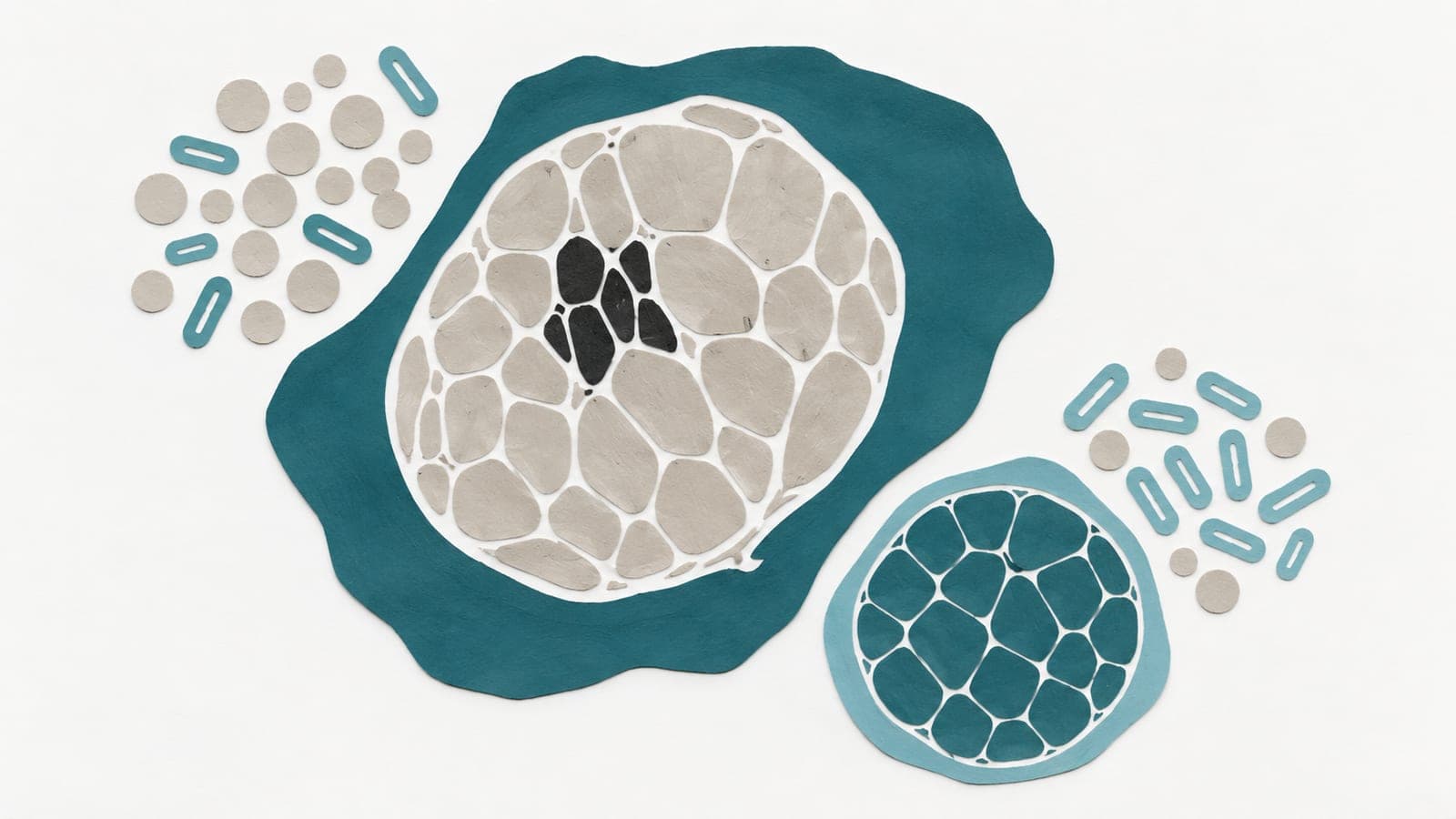
PURPOSE: This preliminary study evaluated effect sizes of differences in circulating cell-free DNA (cfDNA) levels in blood and urine between older adults with and without sarcopenia. METHODS: This was a subanalysis of the 2021 Itabashi Longitudinal Study on Aging. Twenty-four participants were selected conveniently and classified using the Asian Working Group for Sarcopenia (AWGS) 2019 criteria (sarcopenia, N = 12; non-sarcopenia, N = 10). Plasma and urinary cfDNA were quantified by real-time quantitative polymerase chain reaction (qPCR). RESULTS: cfDNA measures showed substantial inter-individual variability, and no clear between-group differences were observed. Plasma cfDNA demonstrated a moderate positive correlation with skeletal muscle mass index (r = 0.43, p = 0.03), but the clinical relevance remains uncertain given the small sample size. CONCLUSIONS: Larger, well-powered longitudinal studies are needed to clarify whether cfDNA, including mitochondrial and nuclear components, can serve as a biomarker of muscle health and sarcopenia risk in older adults.
The paper
Niigata University of Pharmacy and Medical and Life Sciences; Tokyo Metropolitan Institute of Gerontology
European Geriatric Medicine, 20 Mar 2026