Developmental tolerance and disease implications of aneuploidy
Abstract
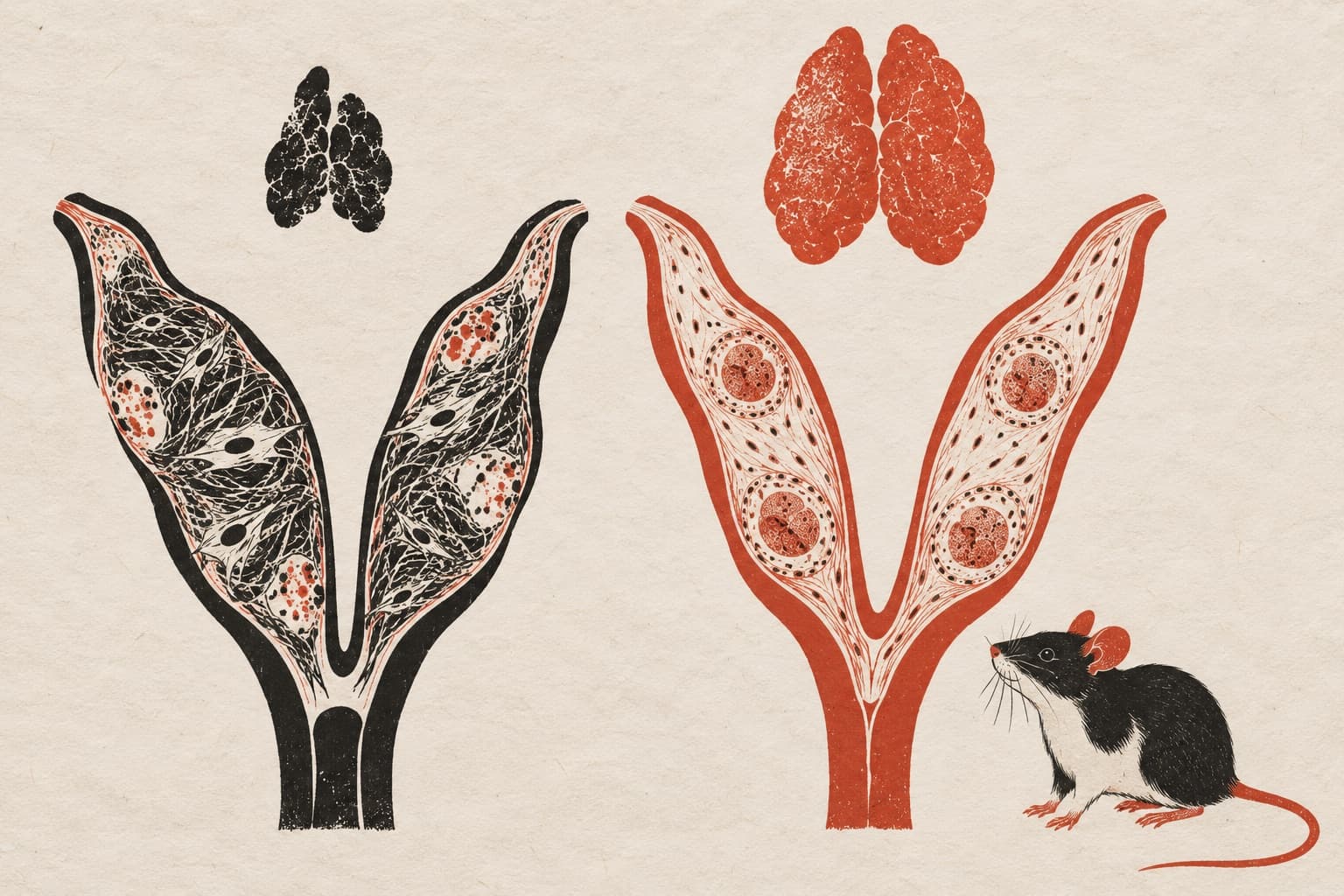
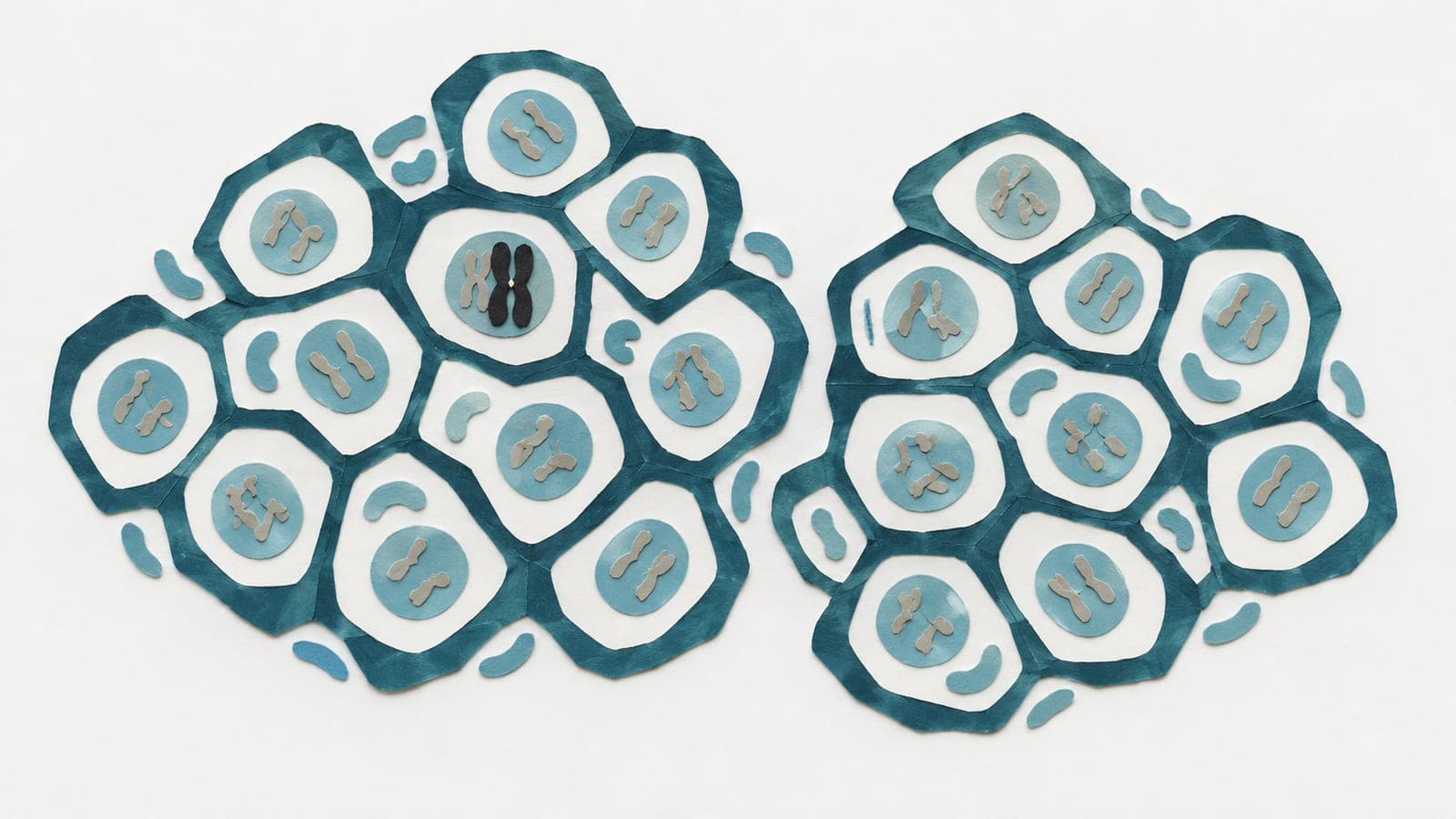
Aneuploidy, an imbalance in the number of chromosomes, is highly detrimental at both the cellular and the organismal levels and is the major cause of miscarriages in humans. Despite its deleterious effects, recent data have revealed a high prevalence of aneuploidy in early human embryos. On one hand, organismal aneuploidy is strikingly common due to the high frequency of aneuploid gametes, particularly aged oocytes. On the other hand, mosaic aneuploidy has been recently shown to be also widespread in early embryos, due to a high rate of chromosome segregation errors during the first post-zygotic divisions. Of note, aneuploid mosaic embryos can result in healthy individuals. Here, we review the compatibility of aneuploidy with correct embryo development and also address the presence of aneuploidy in normal somatic tissues, and the implication of aneuploid mosaicism for the processes of aging and tumorigenesis. We place particular emphasis on how different kinds of aneuploidies, either trisomies or monosomies, whole-chromosome or segmental, differentially contribute to the discussed processes. Finally, we highlight how cell competition may serve as a crucial mechanism by which both developing and somatic tissues deal with the emergence of aneuploidy.
The paper
Institute for Research in Biomedicine; Institució Catalana de Recerca i Estudis Avançats
Current Biology, 9 Mar 2026