Lung scarring linked to flare-ups in chronic lung disease
Higher scarring was linked to flare-ups in two patient cohorts, with hazard ratios—measures of relative risk over time—of 1.39 and 3.35.
Our read
Biomarkers- Studied:
- Cohort study of patients with COPD, median 4.98 years
- What changed:
- Future flare-up risk was higher with more lung scarring (hazard ratio 1.39 and 3.35 across two cohorts)
- The catch:
- The abstract omits the reference groups and scarring increments behind the hazard ratios
Editor of record: Boris Djordjevic · AgingResearch.News
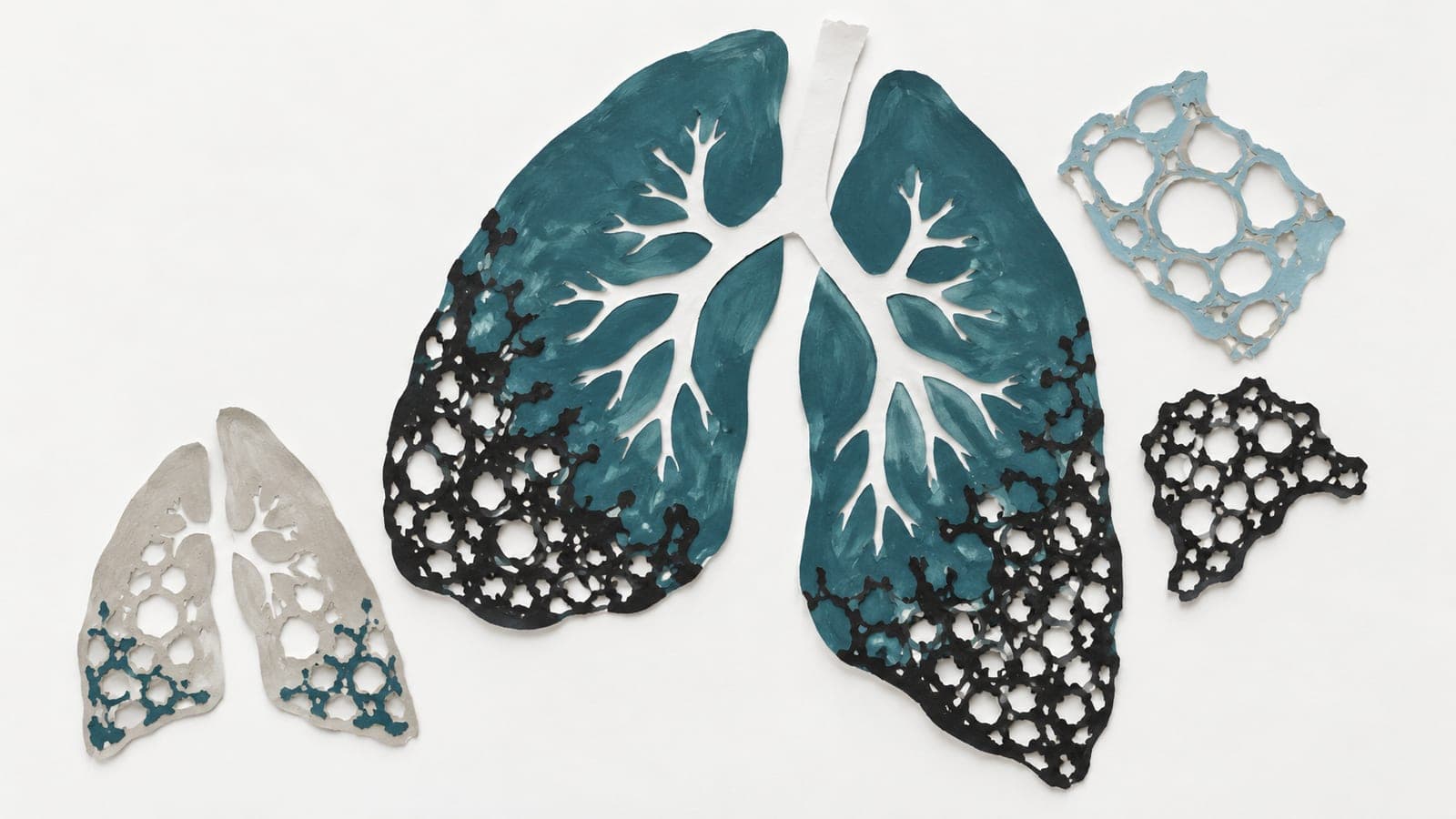
This observational study included 346 lung cancer screening participants and two prospective cohorts of patients with chronic obstructive pulmonary disease: 234 at Kyoto University and 166 at Kyoto-Himeji. The disease restricts airflow. Researchers used a mathematical method to measure fibrosis, or scarring, as a share of lung volume on computed tomography scans.
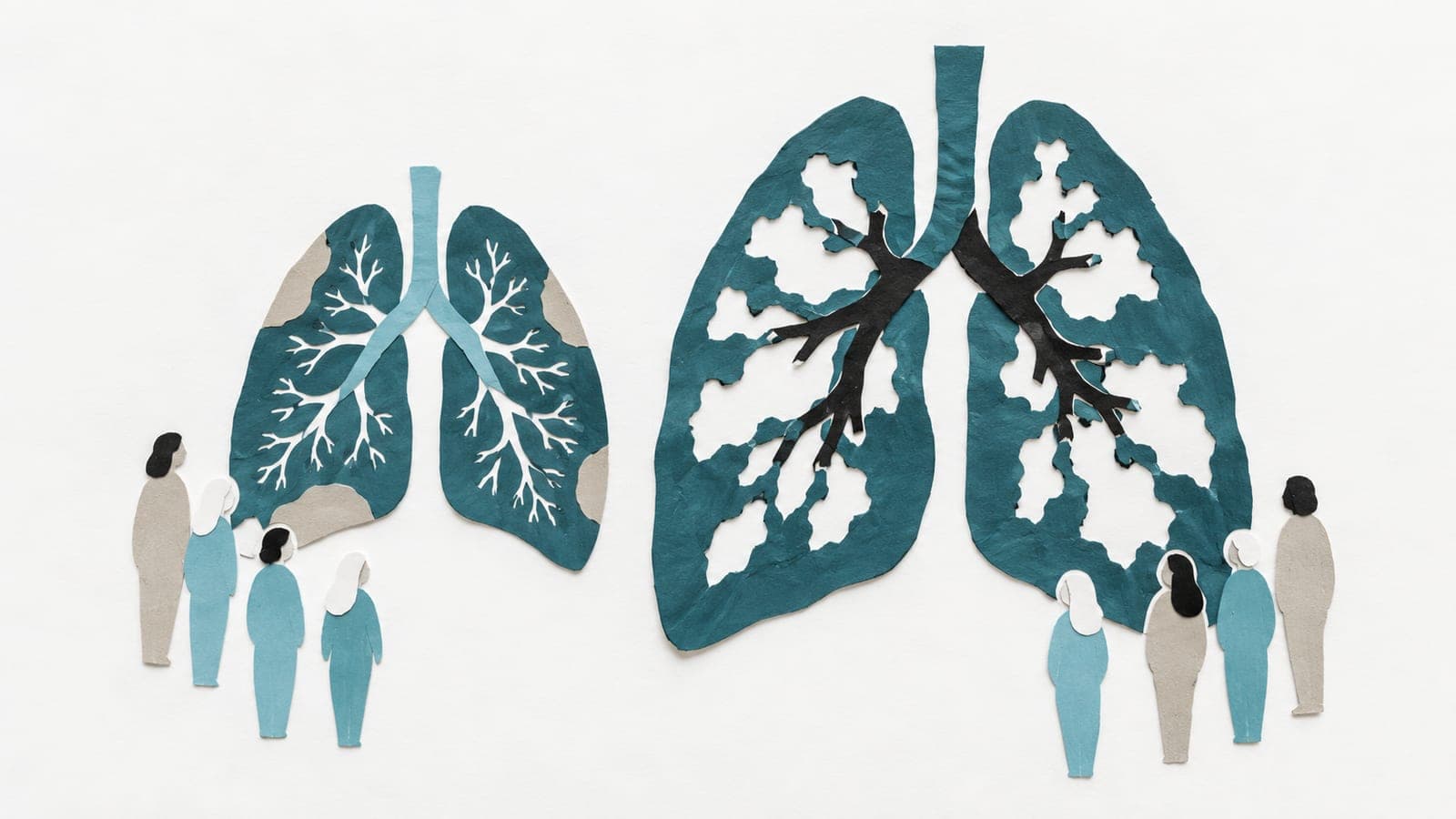
In both disease cohorts, more scarring at the start was linked to future flare-ups, independently of emphysema—damage to lung air sacs—and airway wall thickness. The hazard ratios were 1.39 and 3.35, respectively. Higher baseline scarring was also linked to mortality at Kyoto University, with a similar trend at Kyoto-Himeji. In the Kyoto University cohort, increases in scarring over a median 4.98 years were linked to more frequent flare-ups. Patients with greater increases subsequently had higher mortality.
Why it matters
Chronic obstructive pulmonary disease is a concern for health in later life. The authors suggest that measuring lung scarring on scans could help assess its likely course.
Caveats
These observational associations do not show that scarring caused flare-ups or death. The abstract does not specify the scarring increments or reference groups behind the hazard ratios.
- Imaging
- Modeling and theory
- Extracellular matrix remodeling
- Chronic obstructive pulmonary disease
- Pulmonary emphysema
- Humans
The paper
Persistent homology analysis of longitudinal computed tomography fibrotic features in COPD
Kyoto University
The European Respiratory Journal, Feb 27, 2026

Comments
Be the first to comment.