Cross-sectional study on the relationship between sarcopenia indicators and lung function in a community-dwelling population
Abstract
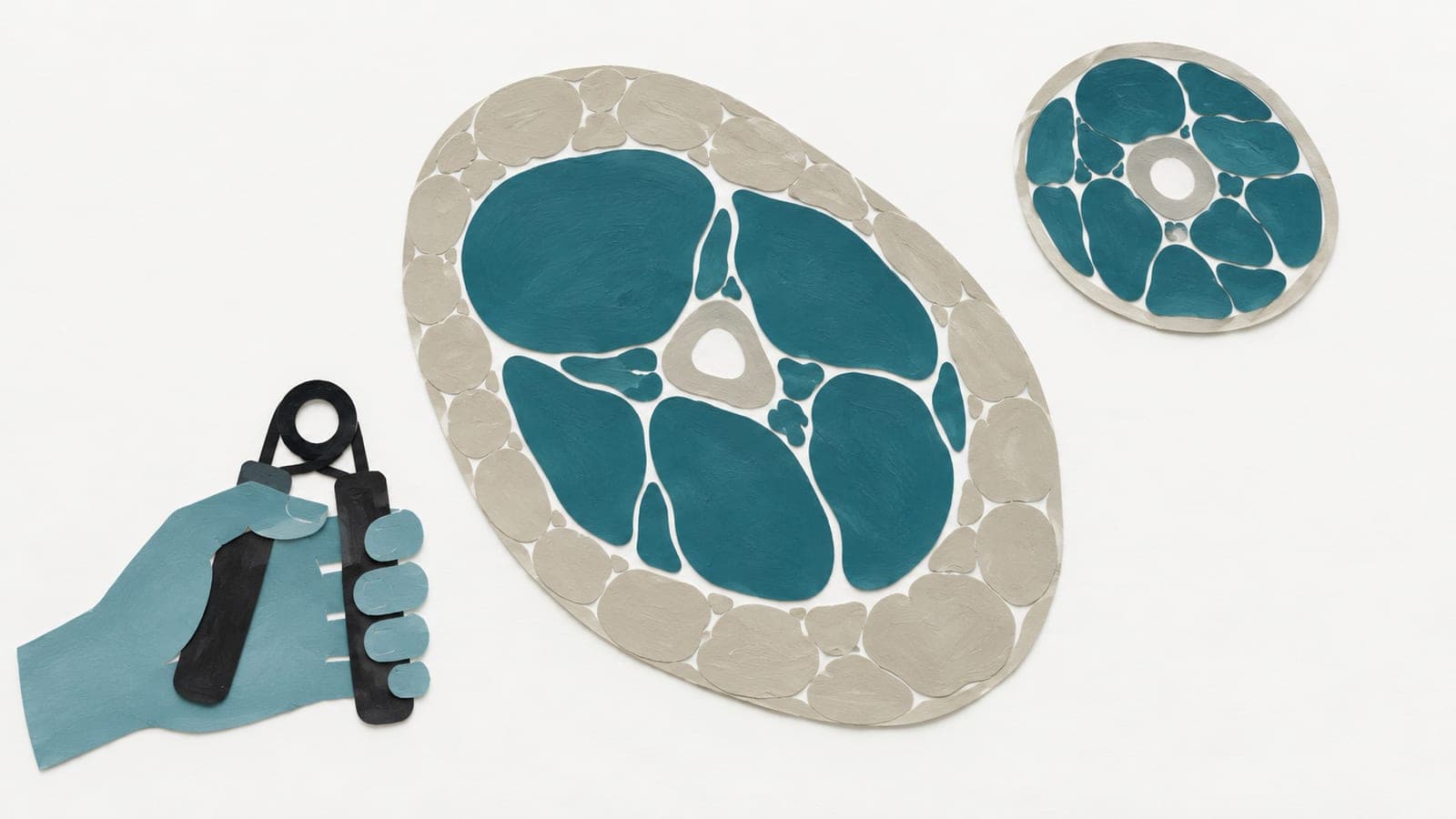
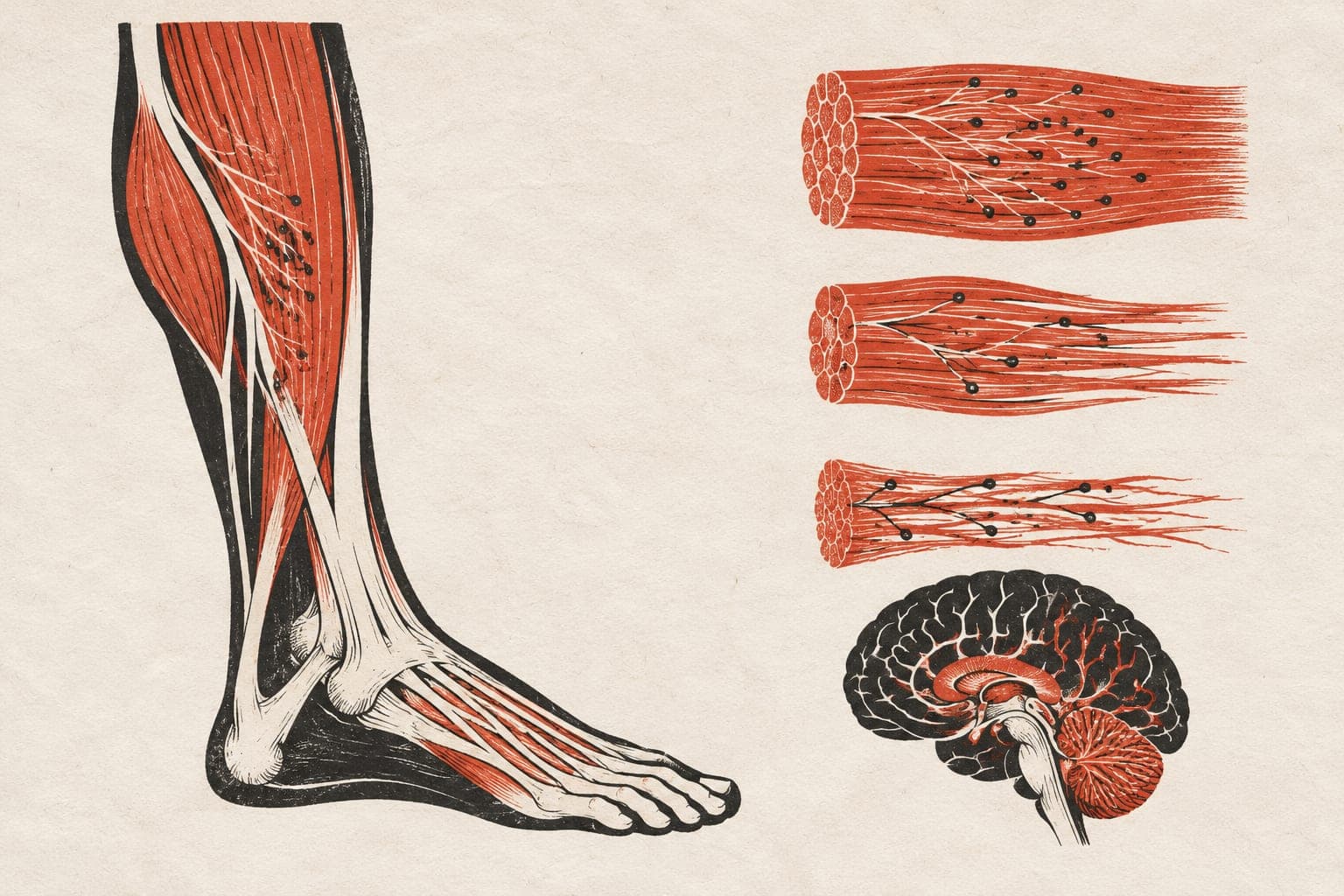
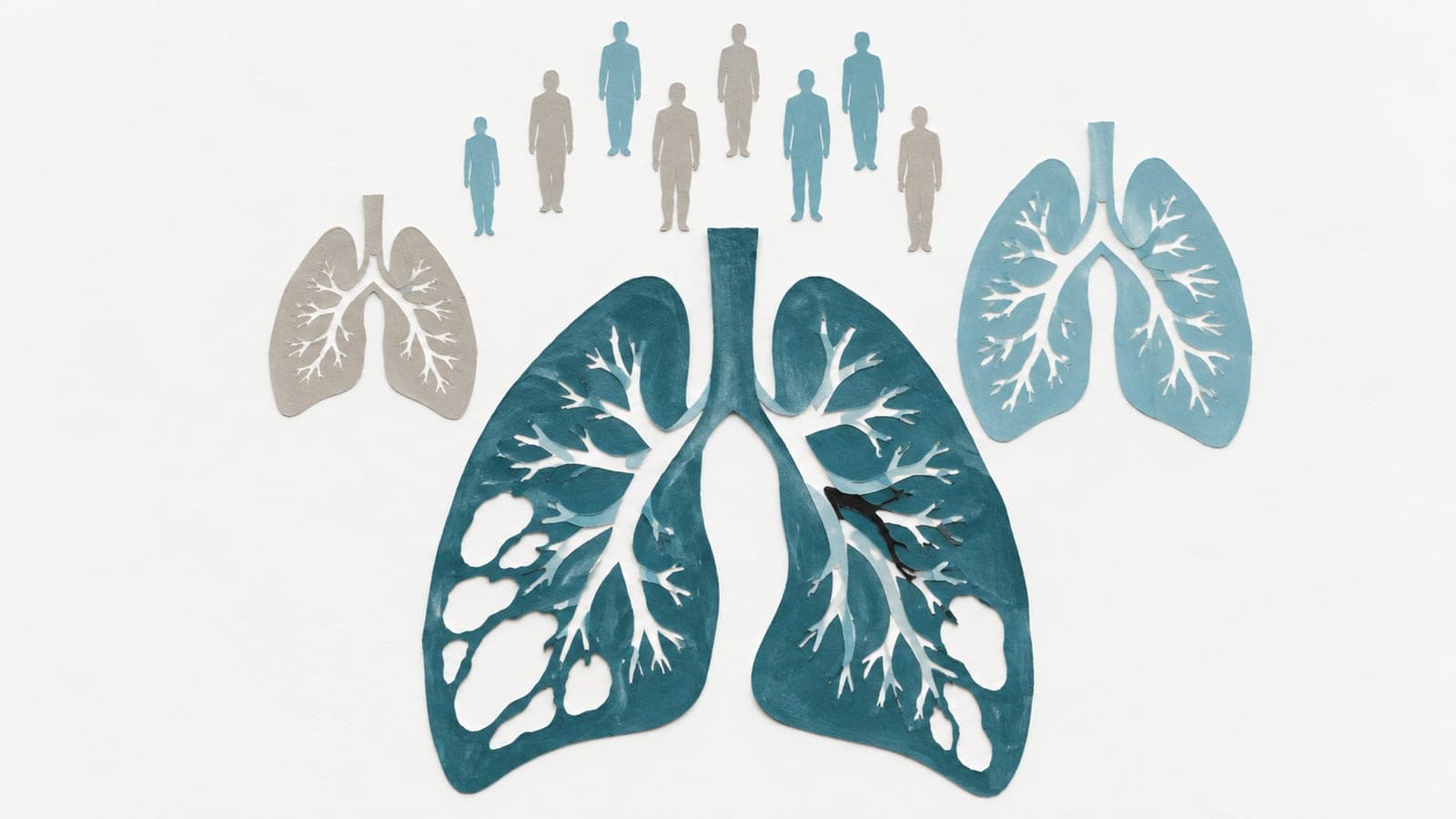
BACKGROUND: With advancing age, multiple systems, including the muscular and respiratory systems, undergo degenerative changes. While the relationship between sarcopenia and lung function is well-established in patients with respiratory diseases, evidence remains limited in the general population. Therefore, this study aimed to investigate the relationship between sarcopenia indicators and lung function in a community-dwelling population. METHODS: Basic information, laboratory biochemical parameters, handgrip strength (HGS), gait speed (GS), five times sit-to-stand test (5STS) time, skeletal muscle mass index (SMI) and lung function parameters, were collected from a community-dwelling population in Beijing, China. Linear regression analysis was employed to investigate the relationship between sarcopenia indicators and lung function parameters, and logistic regression analysis was utilized to examine their association with lung function statuses. RESULTS: A total of 2,526 community volunteers were enrolled and divided into three groups based on lung function: normal spirometry (n = 2,032), preserved ratio impaired spirometry (PRISm) (n = 231), and obstructive spirometry (n = 273). After adjusting for covariates, linear regression analysis revealed that HGS, GS, and SMI were positively correlated with forced expiratory volume in one second (FEV1) and forced vital capacity (FVC), while 5STS was negatively correlated with FEV1 and FEV1/FVC ratio. Logistic regression analysis revealed that lower HGS and longer 5STS time were associated with a higher risk of PRISm, while slower GS, longer 5STS time were associated with an increased risk of obstructive spirometry. Sarcopenia was associated with both PRISm risk and obstructive spirometry risk. CONCLUSION: This study demonstrates that sarcopenia indicators are closely associated with lung function in community-dwelling individuals. As a condition that significantly impacts healthy aging and is linked to both quality of life and longevity, enhancing the early identification and management of sarcopenia within community settings may yield multi-organ benefits.
The paper
Guangdong Pharmaceutical University
Frontiers in Nutrition, 29 Jan 2026
doi.org/10.3389/fnut.2025.1721199PubMed 41704905
Corrected, 17 Jun 2026