Osteoblastic USP26 regulates B lymphopoiesis by endogenous tryptophan metabolites
Abstract
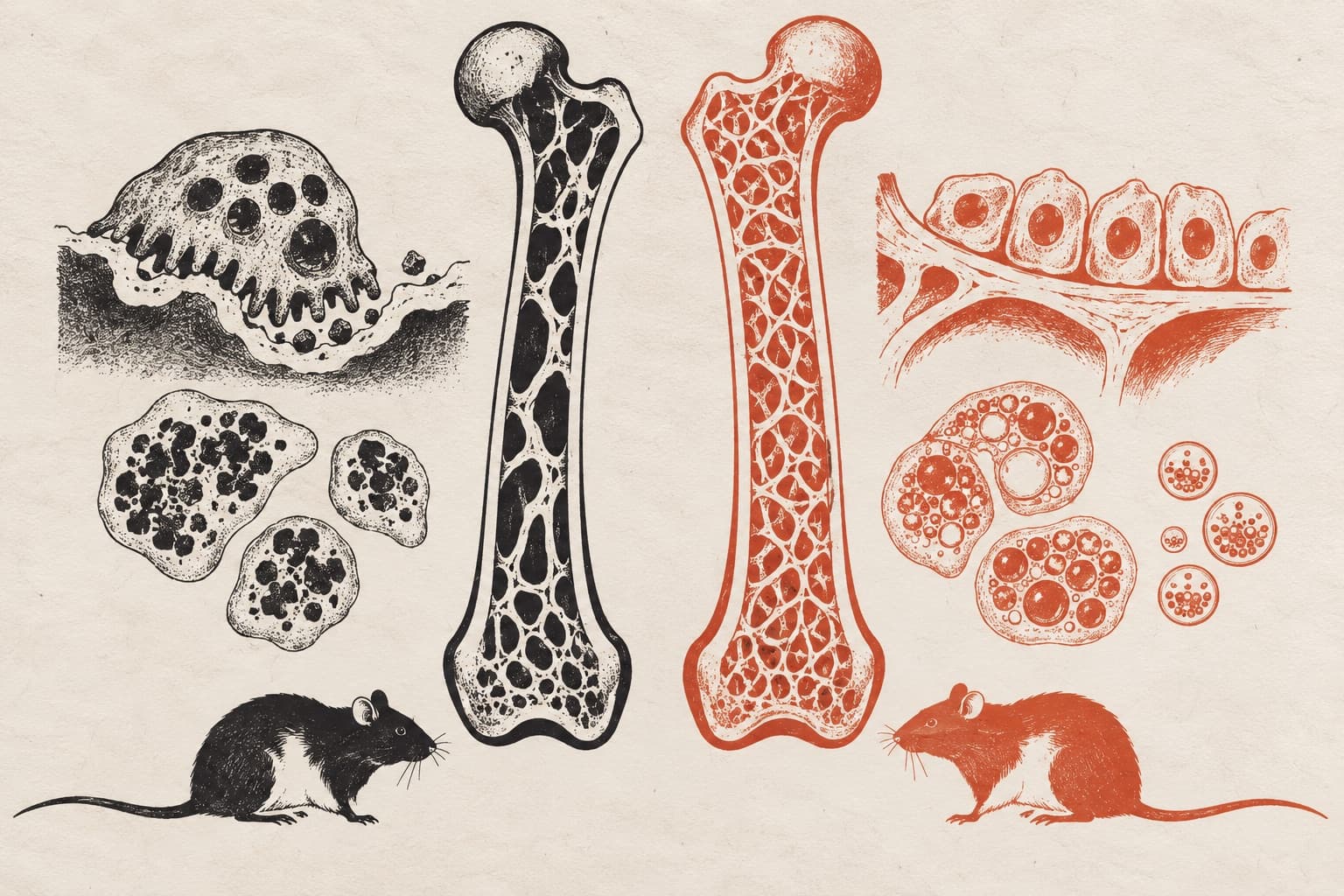
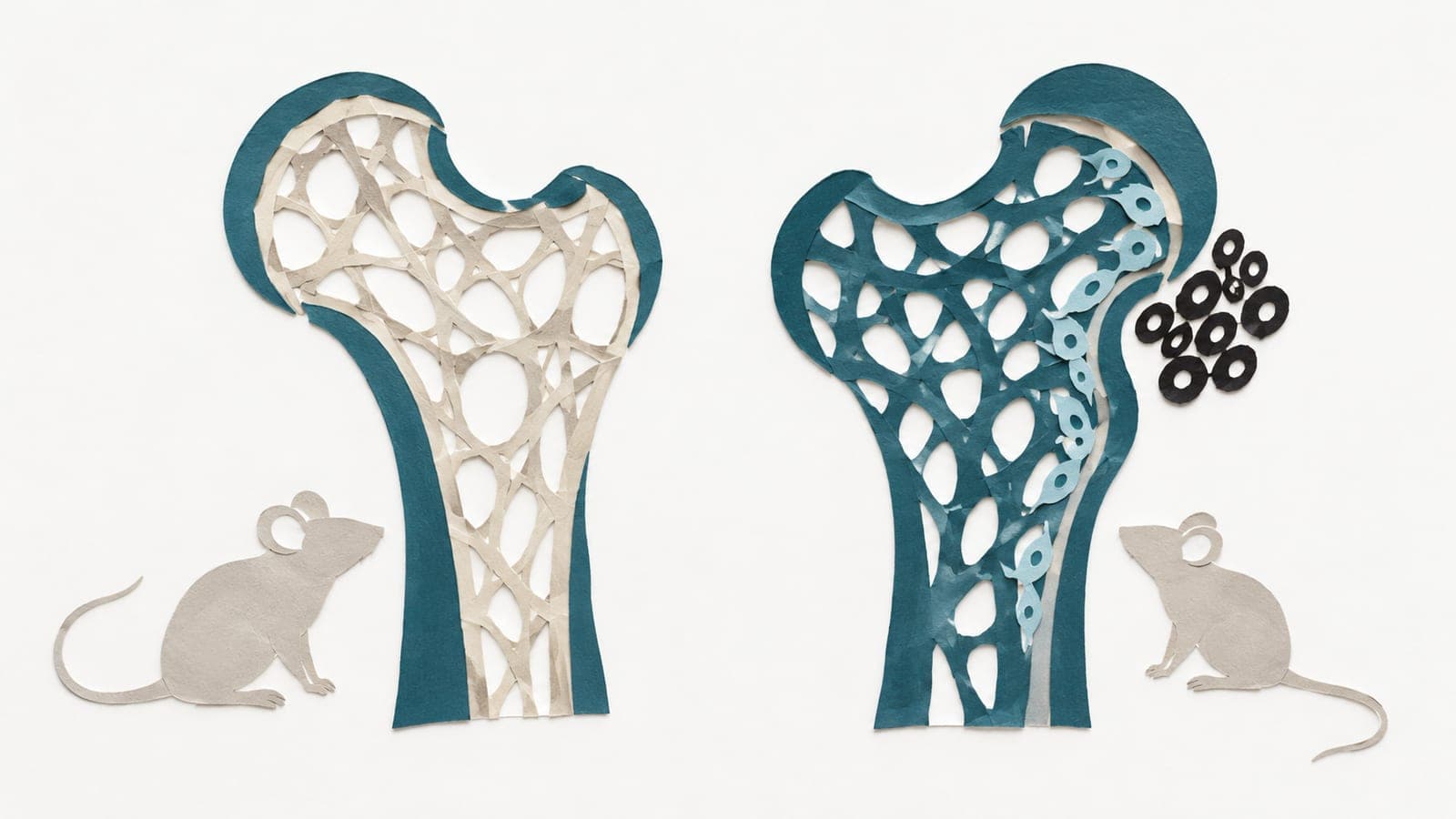
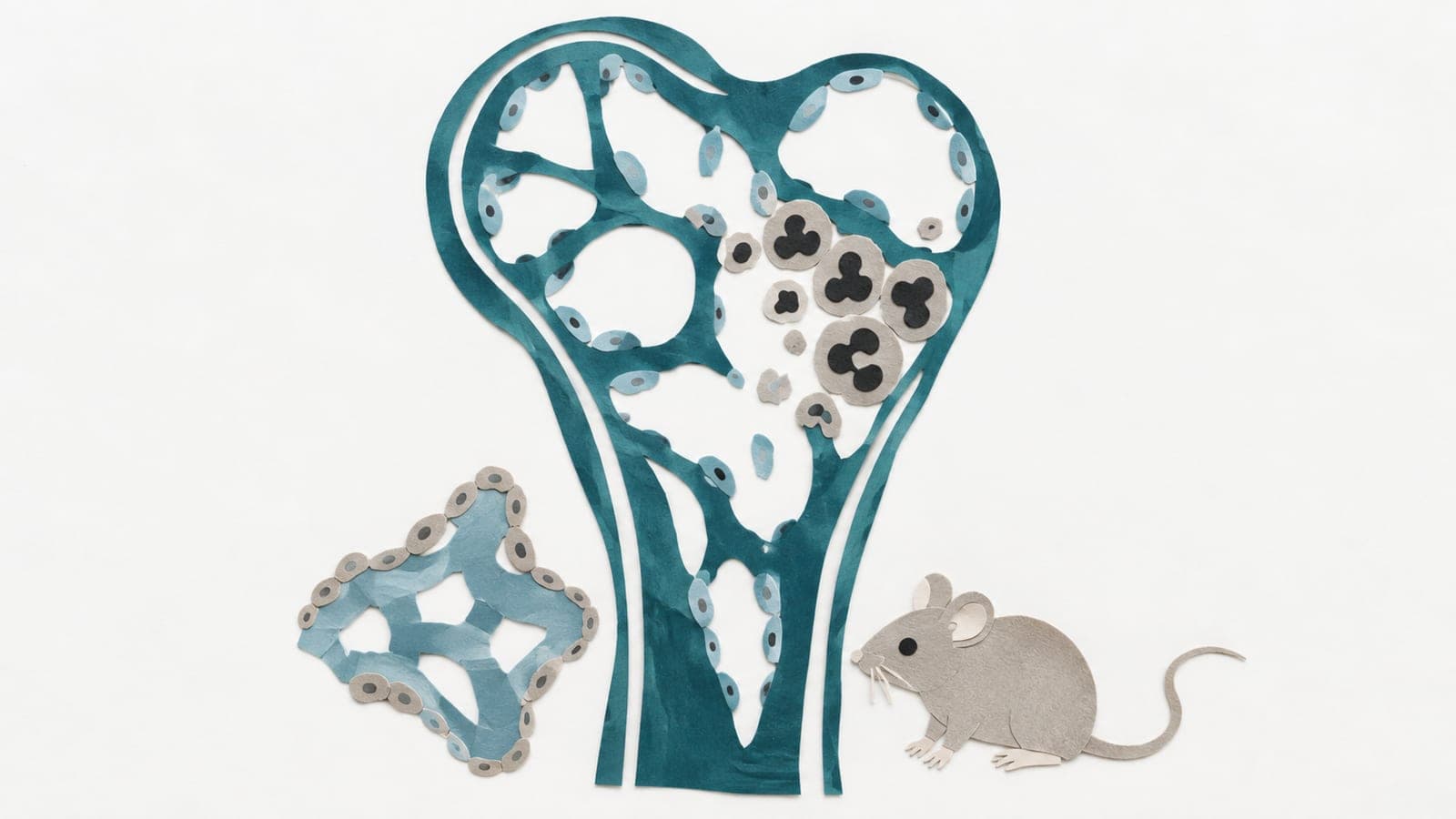
INTRODUCTION: Bone loss is associated with declines in immune function. Osteoblasts, as key regulators of bone formation and the bone marrow niche, may orchestrate this coupled deterioration, but the underlying molecular mechanisms require further elucidation. OBJECTIVES: This study aims to explore the molecular mechanisms by which functional degeneration of osteoblasts leads to immune decline in osteoporosis. METHODS: Immune cell populations in peripheral blood were analyzed in both osteoporotic patients and mice. USP26 expression was assessed in senescent osteoblasts and bones. Bone formation, B lymphopoiesis, and susceptibility to sepsis were evaluated in mice with osteoblast-specific conditional knockout of Usp26. A combination of transcriptomics, targeted metabolomics, and in vivo/in vitro experiments involving tryptophan metabolite supplementation and inhibition were performed to identify associated niche metabolic factors. Finally, the therapeutic potential of USP26 restoration was evaluated by administering USP26-modified, bone-targeting exosomes in osteoporotic and septic mouse models. RESULTS: In this study, we have identified the downregulation of USP26 in osteoblasts as a critical mechanism bridging bone loss and immune dysfunction. Mechanistically, the reduced USP26 levels impede osteoblast differentiation while facilitating the ubiquitin-mediated degradation of interleukin-4-induced protein 1 (IL4I1). This impairment collapses the tryptophan metabolic axis, specifically reducing the production of the endogenous tryptophan-derived indole metabolite, indole-3-acetic acid (IAA) and compromising B lymphopoiesis. Consistent with this, we observed the mice with USP26 deficiency in osteoblasts died earlier in sepsis conditions with decreased B cells. The bone-targeted delivery of USP26 in osteoporotic mice via engineered exosomes restored bone formation, rescued B cell production and improved infection resistance. CONCLUSION: Our findings establish osteoblastic USP26 as a dual regulator of bone formation and immune activation, indicating that modulating osteoblast function and targeting the USP26/IL4I1-AHR signaling axis may represent a promising therapeutic strategy for treating immune deficiency associated with age-related bone loss in clinical settings.
The paper
Shanghai Jiao Tong University
Journal of Advanced Research, 11 Feb 2026