Targeted Hepatic Methylation-Controlled J Protein Inhibition Mitigates Postsurgical Liver Injury and Neuroinflammation in Aged Mice
By Meza Monge K, Pratap A, Najarro KM et al.
Abstract
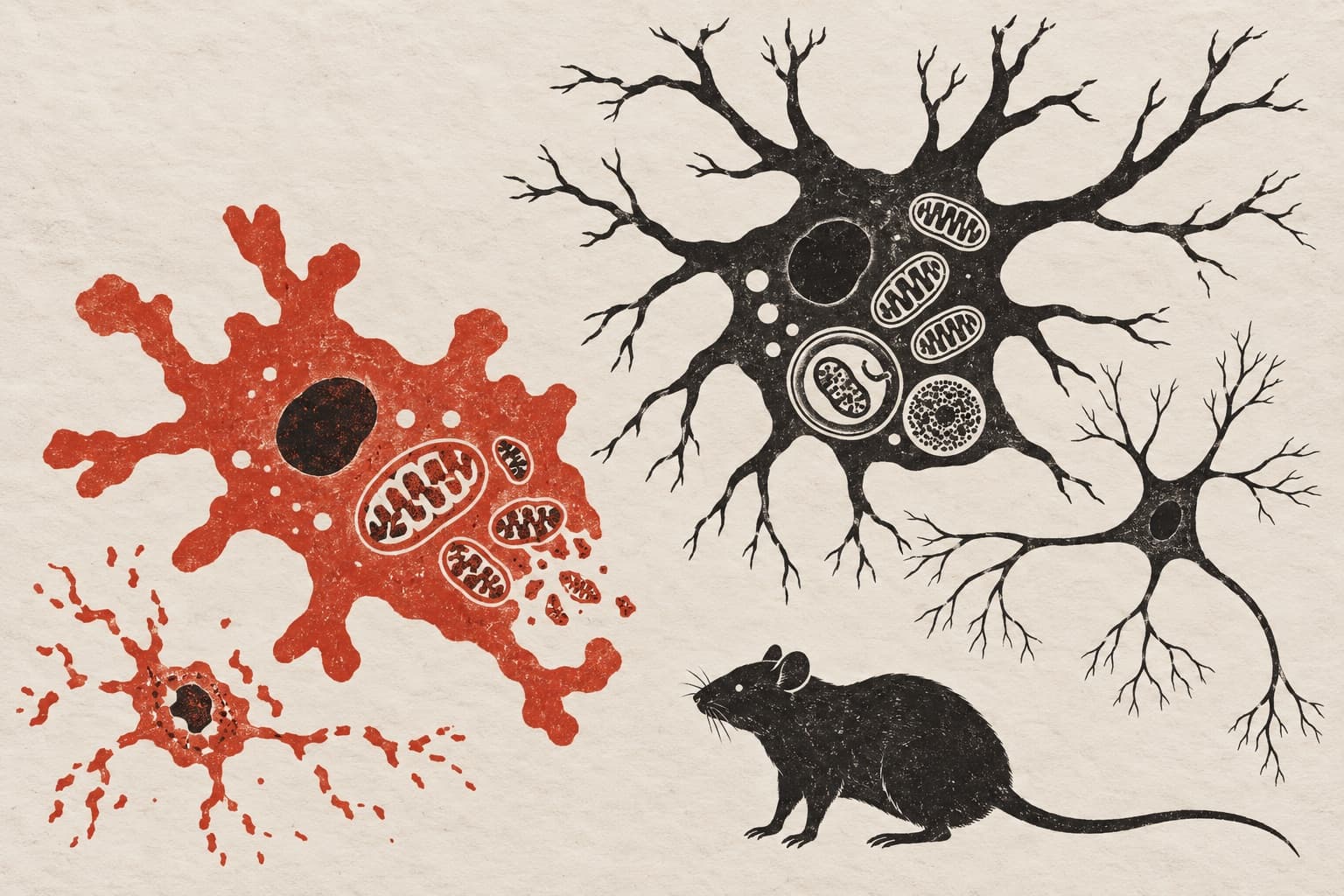
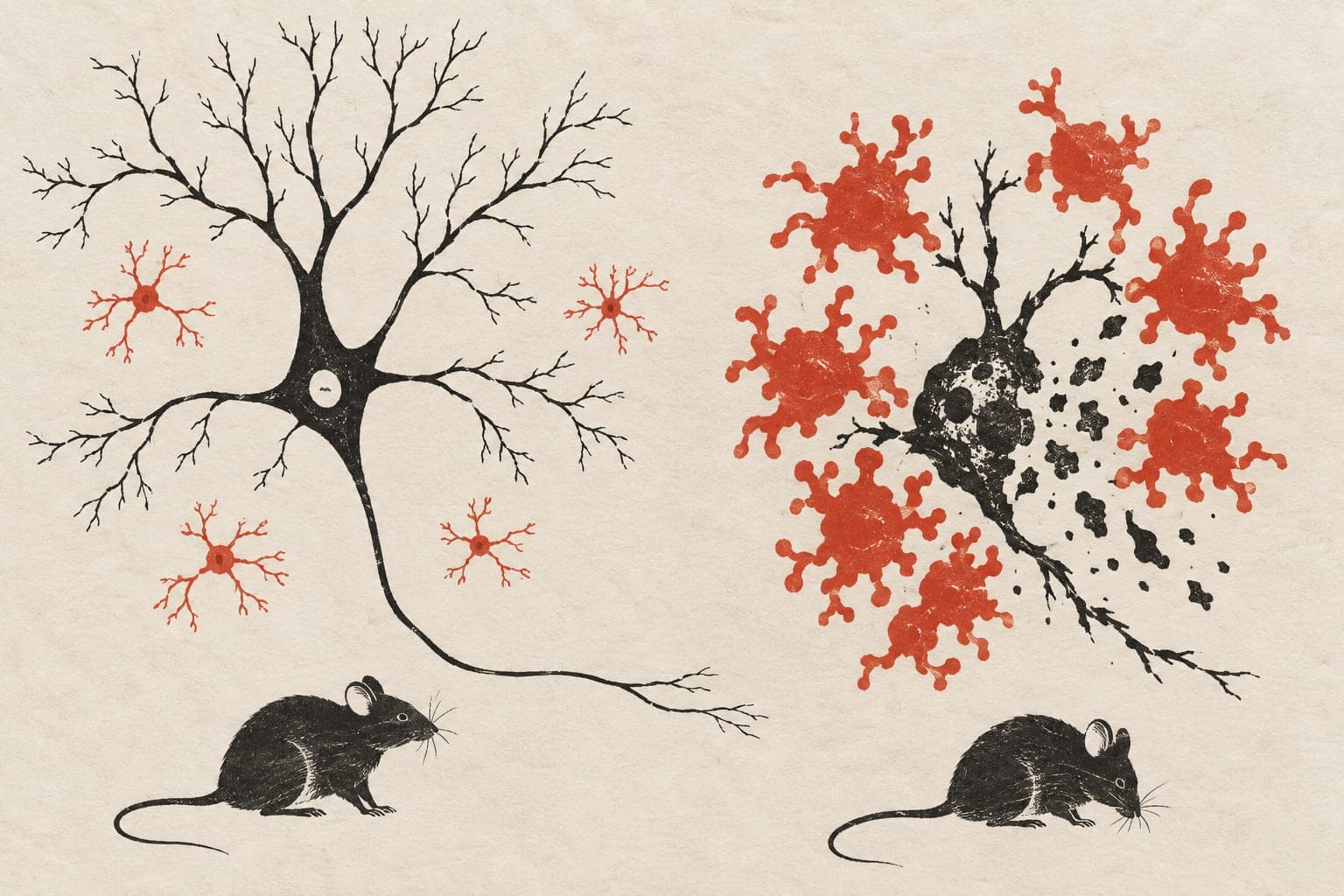
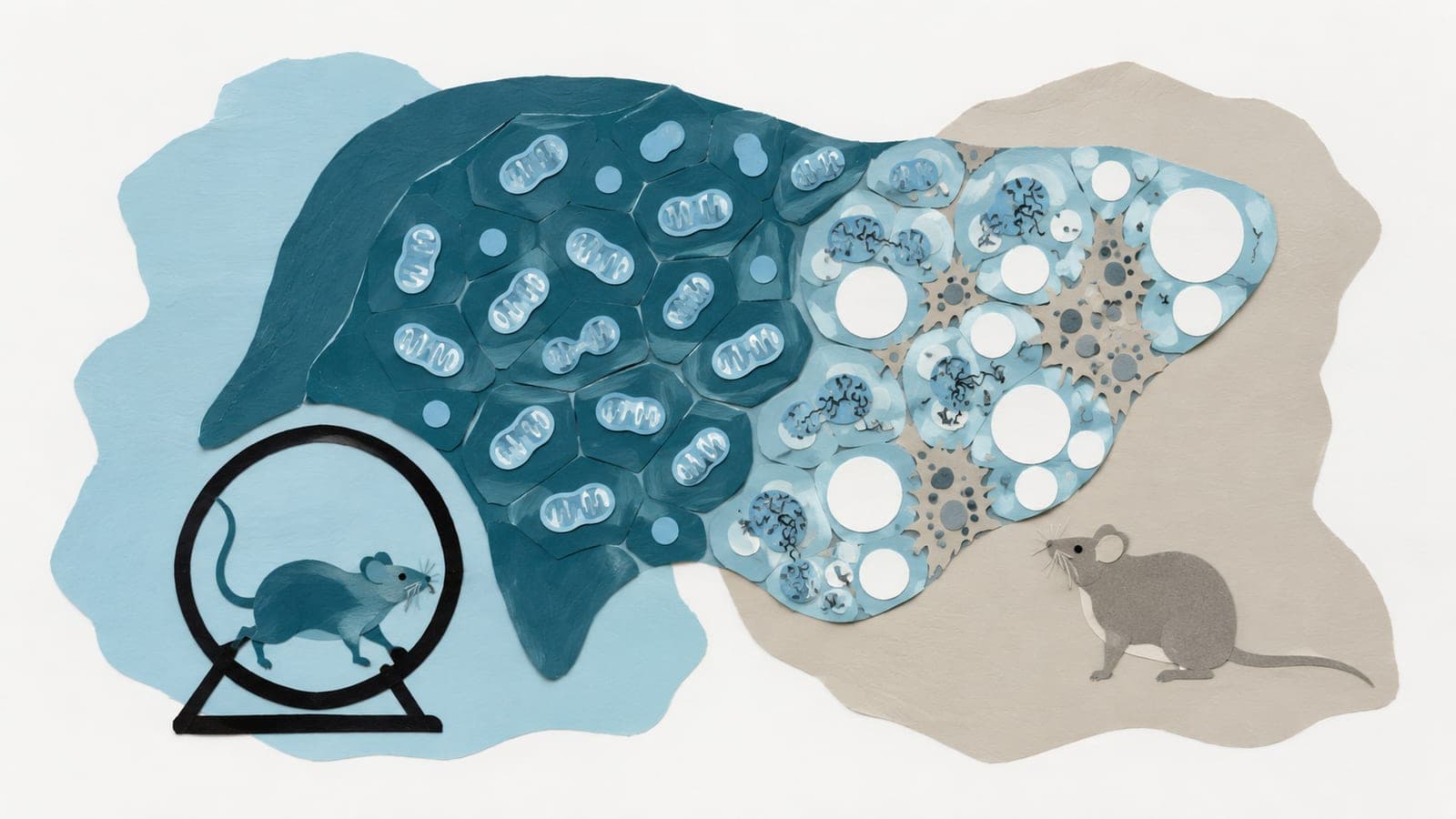
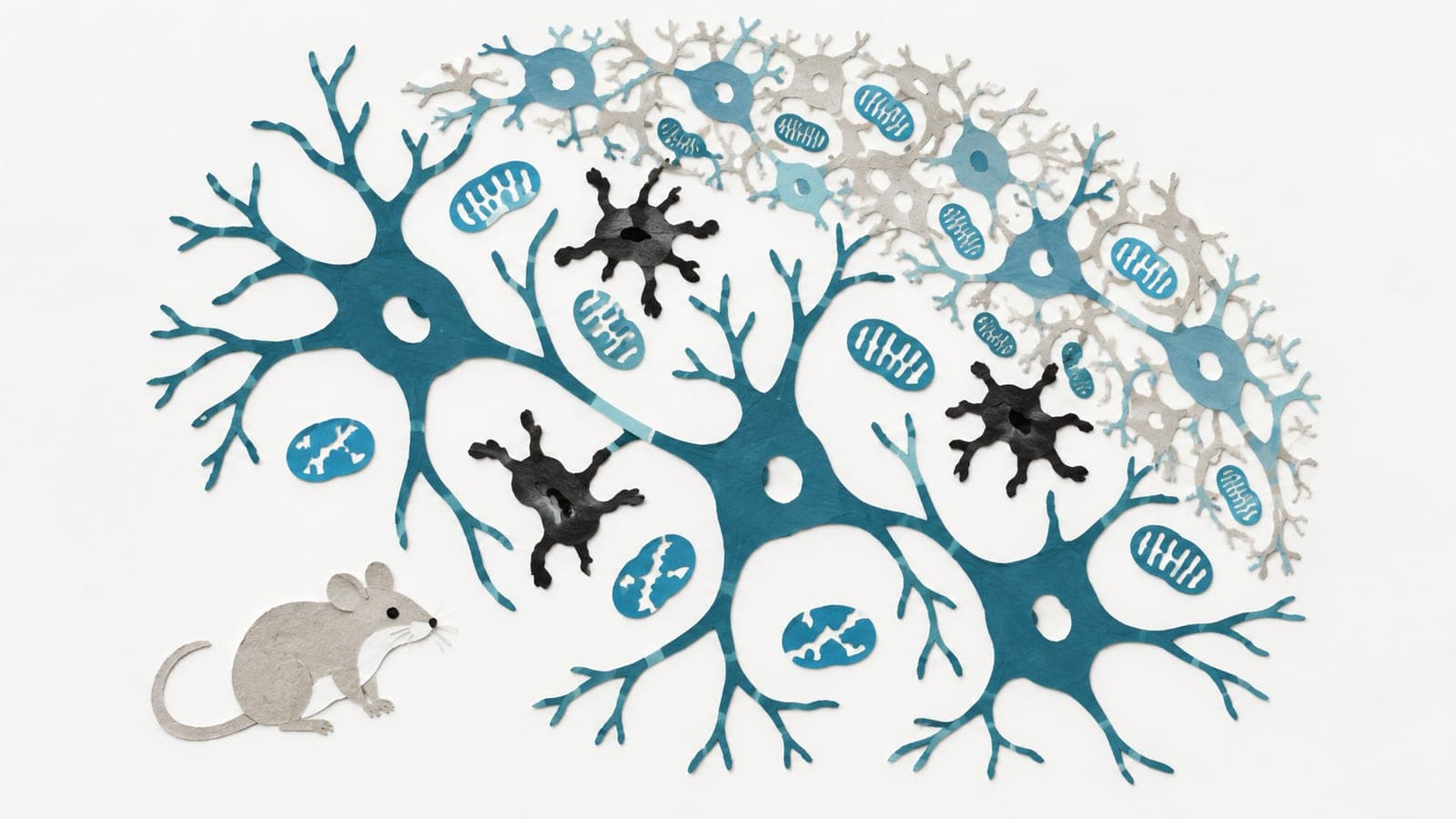
BACKGROUND: Advanced age significantly increases postoperative complication risk, including neurological dysfunction. While the liver plays a critical role in surgical recovery, age-related changes in hepatic function remain inadequately studied in perioperative risk assessment. Methylation-Controlled J protein (MCJ), an endogenous negative regulator of mitochondrial function, represents a promising therapeutic target due to its role in exacerbating oxidative stress and compromising metabolic resilience in aging. METHODS: Young (4-5 months) and aged (24 months), male and female C57BL/6J mice underwent 60-minute laparotomy surgery or a sham procedure. Treatment groups received hepatocyte-targeted GalNAc-siMCJ (10 mg/kg, subcutaneous) 72 hours before surgery based on established knockdown kinetics. Subclinical liver injury (plasma/tissue cytokeratin-18 and microRNA-122), metabolic dysfunction (kynurenine pathway metabolites), blood-brain barrier integrity [cerebrospinal fluid/plasma albumin ratio and calcium-binding protein S100B], neuroinflammation [glial fibrillary acidic protein and ionized calcium binding adaptor molecule 1 (Iba1)], and cognitive function (open field and novel object recognition) were assessed 48 hours postsurgery. RESULTS: Despite normal transaminases (alanine aminotransferase <46 IU/L, aspartate aminotransferase <69 IU/L), livers from aged mice exhibited significant subclinical injury after surgery, with elevated cytokeratin-18 and microRNA-122 ( P < 0.05 vs. aged-sham). This resulted in increased hepatic kynurenine and quinolinic acid ( P < 0.05), blood-brain barrier disruption (increased S100B plasma levels and cerebrospinal fluid/plasma albumin ratio), neuroinflammation (elevated Iba1 immunoreactivity in hippocampus), and cognitive impairment. Hepatic MCJ silencing prevented these alterations in aged mice ( P < 0.05 vs. aged vehicle), without affecting young mice beyond reducing inflammatory markers. CONCLUSIONS: Targeted hepatic MCJ inhibition mitigates subclinical liver injury, dysregulated kynurenine metabolism, and subsequent neuroinflammation in aged mice after surgery. This liver-brain axis modulation represents a potential therapeutic strategy to prevent perioperative neurological complications in vulnerable older surgical patients.
The paper
Meza Monge K, Pratap A, Najarro KM et al.
Shock, 28 Oct 2025