Potential of early diagnosis and targeted therapy for Klotho protein in chronic kidney disease
Abstract
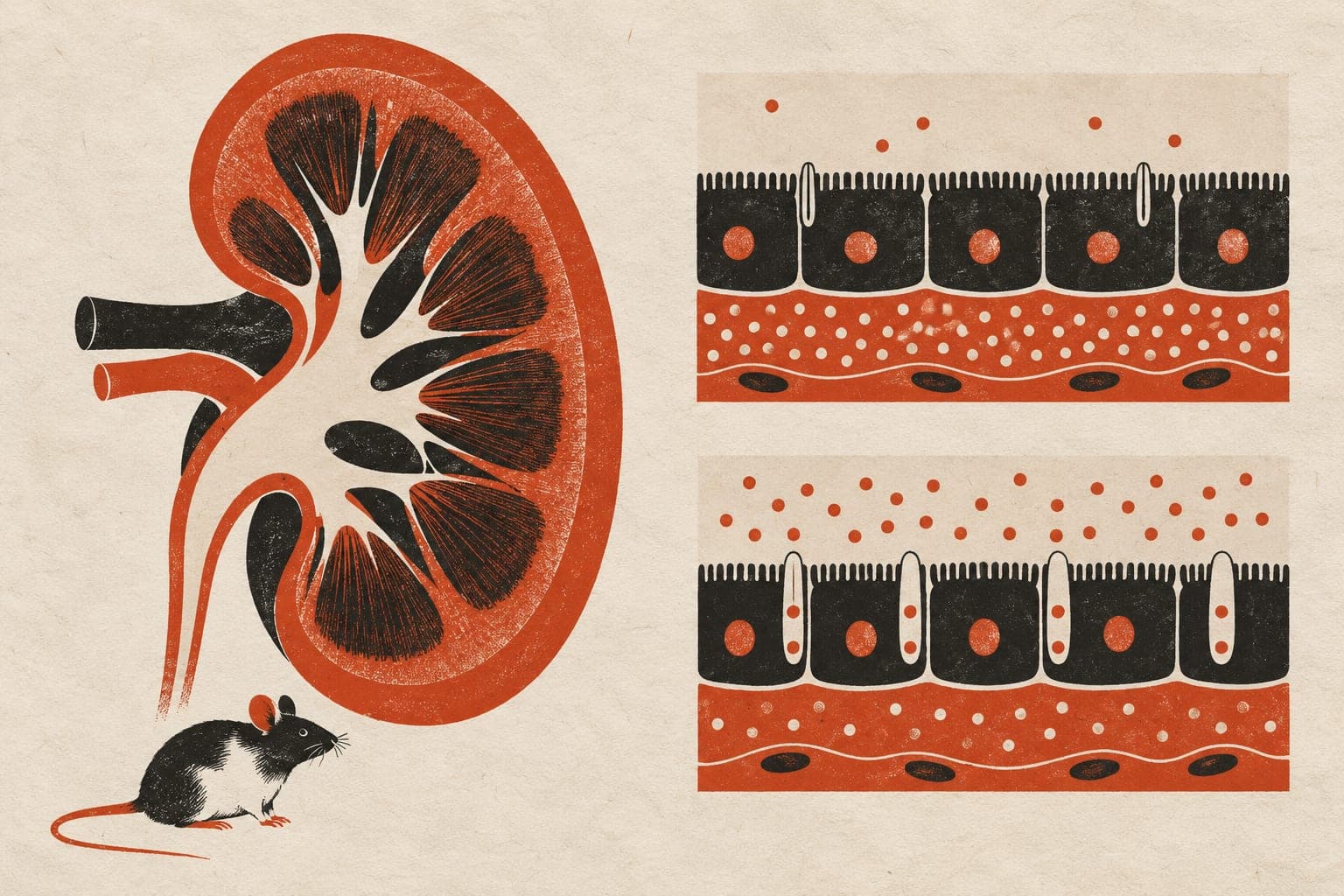
Klotho (KL) protein is a key renoprotective protein that exerts organ-protective effects through regulation of mineral metabolism, anti-inflammatory and antioxidant activity, anti-aging signaling, modulation of autophagy, and inhibition of fibrosis. KL levels decline from the early stage of chronic kidney disease (CKD) and are correlated with disease severity, indicating its strong potential as an early diagnostic biomarker. However, current KL-targeted therapies have not yet achieved clinical translation. Recent studies demonstrate that engineered fibroblast growth factor-23 (FGF-23) binding peptides show up to a 2 300-fold increase in affinity for KL, providing a basis for developing high-sensitivity KL assays. In parallel, persistent activation of endoplasmic reticulum (ER)-associated degradation (ERAD) may represent a major mechanism driving KL ubiquitination and degradation. The emerging deubiquitinase-targeting chimera (DUBTAC) technology protects target proteins from degradation by inhibiting their ubiquitination. The combination of engineered FGF-23 binding peptides and KL-targeted DUBTAC technology may accelerate clinical development of sensitive detection and targeted therapeutic strategies for KL, holding substantial clinical significance for CKD management.
The paper
Guangdong Medical College
Zhong Nan Da Xue Xue Bao Yi Xue Ban, 28 Oct 2025
doi.org/10.11817/j.issn.1672-7347.2025.250245PubMed 41656819