Association between adverse life events, DNA methylation and risk of premature ovarian insufficiency
Abstract
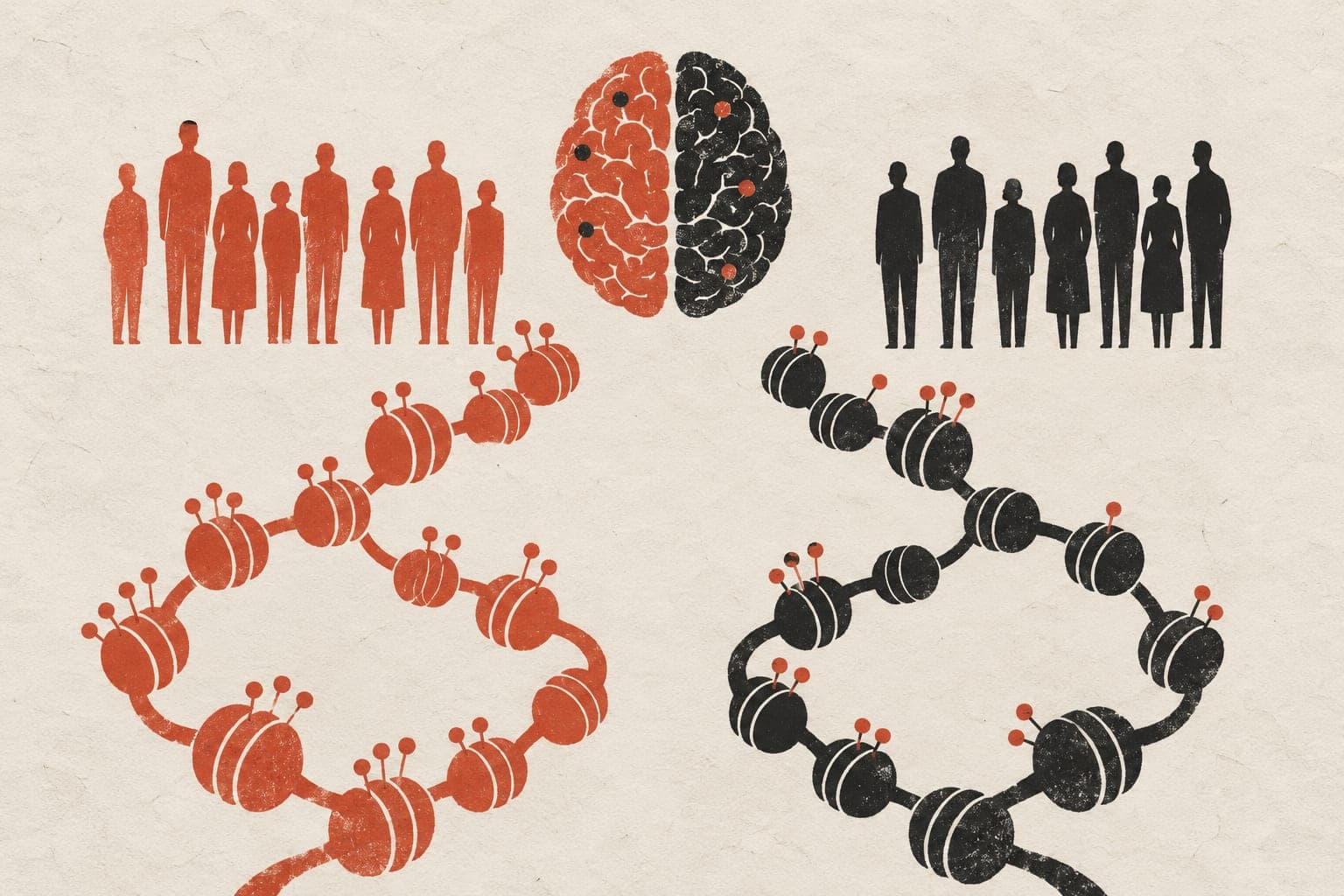
OBJECTIVE: This study aimed to assess psychological and lifestyle risk factors for premature ovarian insufficiency (POI) and their association with DNA methylation. METHODS: A case-control study was conducted in Shanghai (2017-2022), including 304 controls and 160 newly diagnosed cases with POI (diagnosed within the past 6 months). Cumulative adverse life events were assessed using the life event scale (LES), and genome-wide DNA methylation was evaluated in whole blood-derived DNA obtained from a sub-sample. RESULTS: The median total event score for POI patients and control individuals was 48.5 and 20.0, respectively (p < 0.001). Participants experiencing more stressful life events (LES >32) were 2.33-fold more likely to have POI compared to controls (odds ratio 2.33, 95% confidence interval 1.53-3.56). Genome-wide DNA methylation analysis identified 5582 differentially methylated sites (DMSs) between POI patients and controls. Further analysis showed that higher negative life events scores were significantly associated with accelerated DNA methylation aging in the POI group (β = 0.06, p < 0.001). CONCLUSION: This case-control study revealed that cumulative stressful or adverse life events were associated with an increased risk of POI, and that accelerated epigenetic aging was correlated with chronic stress in POI patients. These findings suggest potential links that warrant further mechanistic investigation.
- Psychological stress
- Negative life events
- DNA methylation
- Premature ovarian insufficiency
- DNA methylation aging
- Humans
The paper
Shanghai Jiao Tong University
Climacteric, 28 Jan 2026