Depression and Cognitive Outcomes: Linking the Mayo Clinic Study of Aging and Rochester Epidemiology Project
Abstract
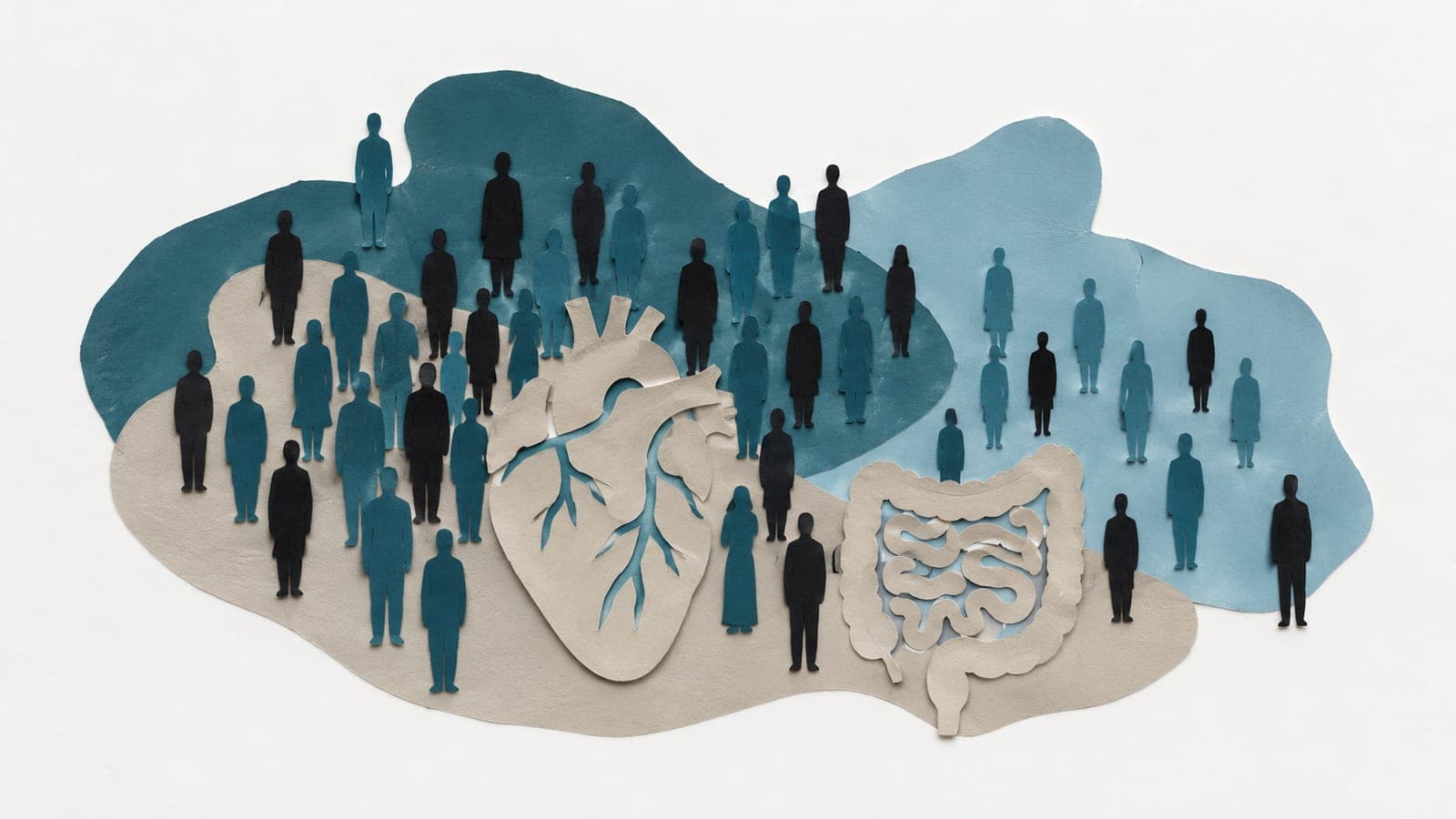
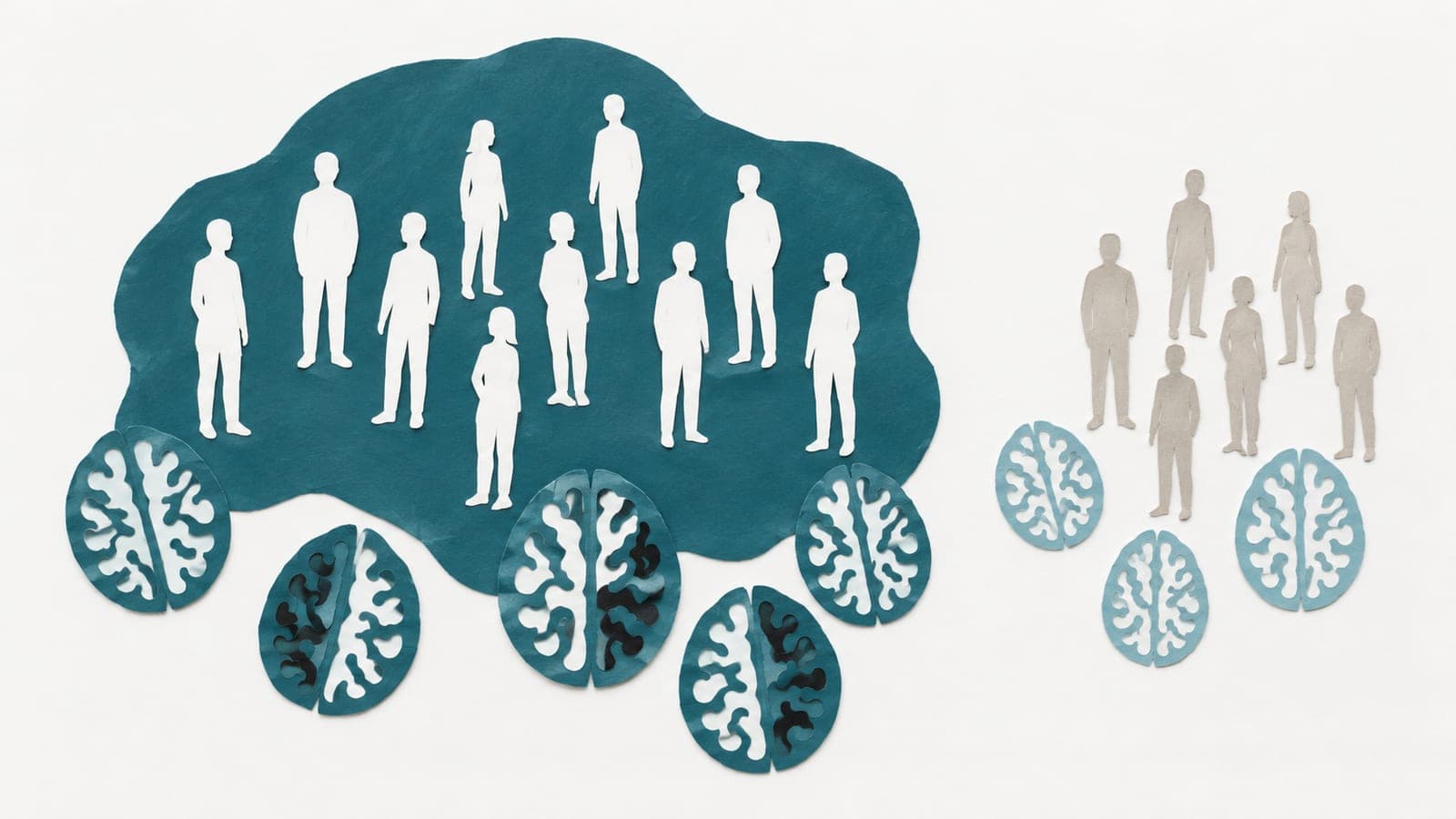
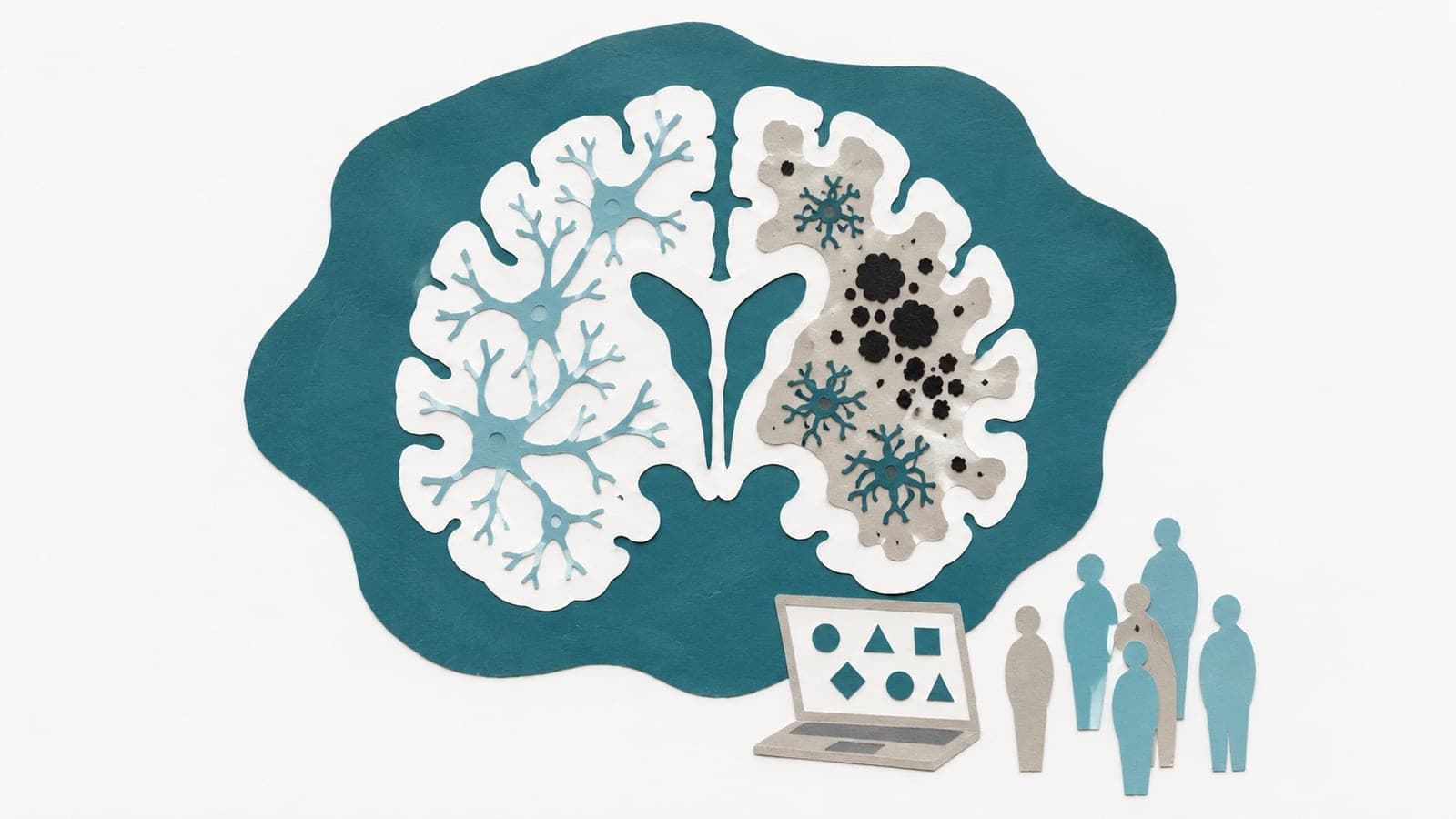
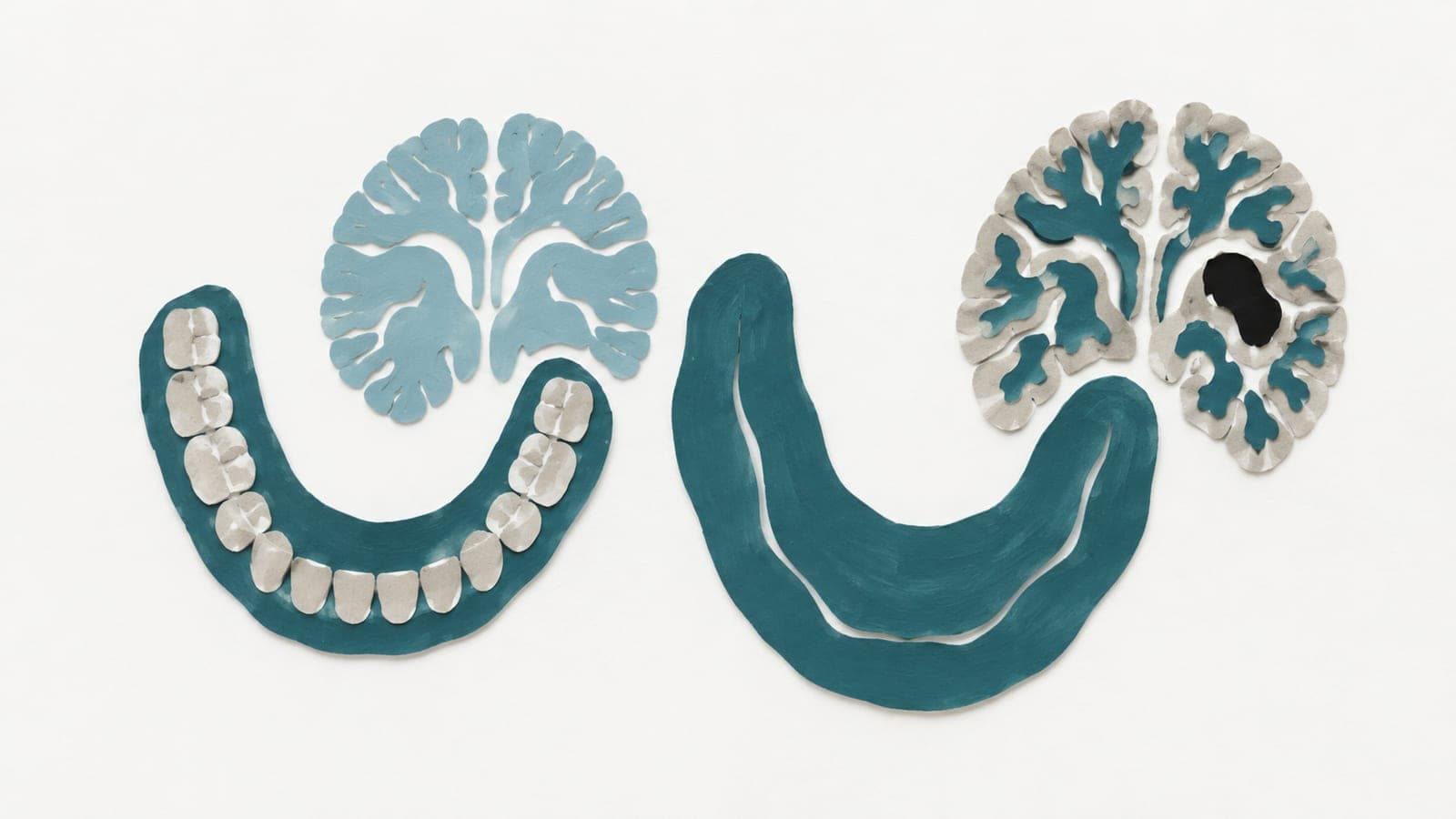
OBJECTIVE: The authors used data from the Rochester Epidemiology Project (REP) and the population-based Mayo Clinic Study of Aging (MCSA) to examine how depression relates to cognitive outcomes. METHODS: Depression data were acquired from electronic medical records (EMRs) via the REP for a sample of MCSA participants who were cognitively unimpaired at baseline. Participants were classified as having depression if a depression diagnosis was noted in the EMR or if a medication for depression was indicated. The authors calculated hazard ratios (HRs) with Cox proportional hazards models to elucidate the relationship between depression and incident mild cognitive impairment (MCI) and dementia. Linear mixed-effects models were used to study depression with the outcomes of global and domain-specific cognitive z scores. All models were adjusted for pertinent covariates. RESULTS: The study included 1,805 community-dwelling adults (51% men) with a mean±SD age of 74.5 ± 7.3 years. Depression was associated with a significantly increased risk for progression to MCI (HR=1.37, 95% CI=1.13 to 1.65) and dementia (HR=1.33, 95% CI=1.04 to 1.70). In sensitivity analyses, only participants taking antidepressants were at increased risk for progressing to these outcomes, relative to those without depression. Depression was also associated with lower baseline cognitive z scores in all domains except memory. Associations with longitudinal cognitive trajectories were noted only when the timing of depression (no depression, before MCSA baseline only, at MCSA baseline only, or at both times) was considered. CONCLUSIONS: Depression was associated with baseline and longitudinal measures of cognition among community-dwelling older adults. Only individuals receiving antidepressants had a significantly increased risk for incident MCI and dementia.
The paper
Mayo Clinic; Barrow Neurological Institute
The Journal of Neuropsychiatry and Clinical Neurosciences, 26 Aug 2025