Basal activation of ERK1/2 blunts the antimicrobial activity of neutrophils from old hosts against antibody-opsonized Streptococcus pneumoniae
Abstract
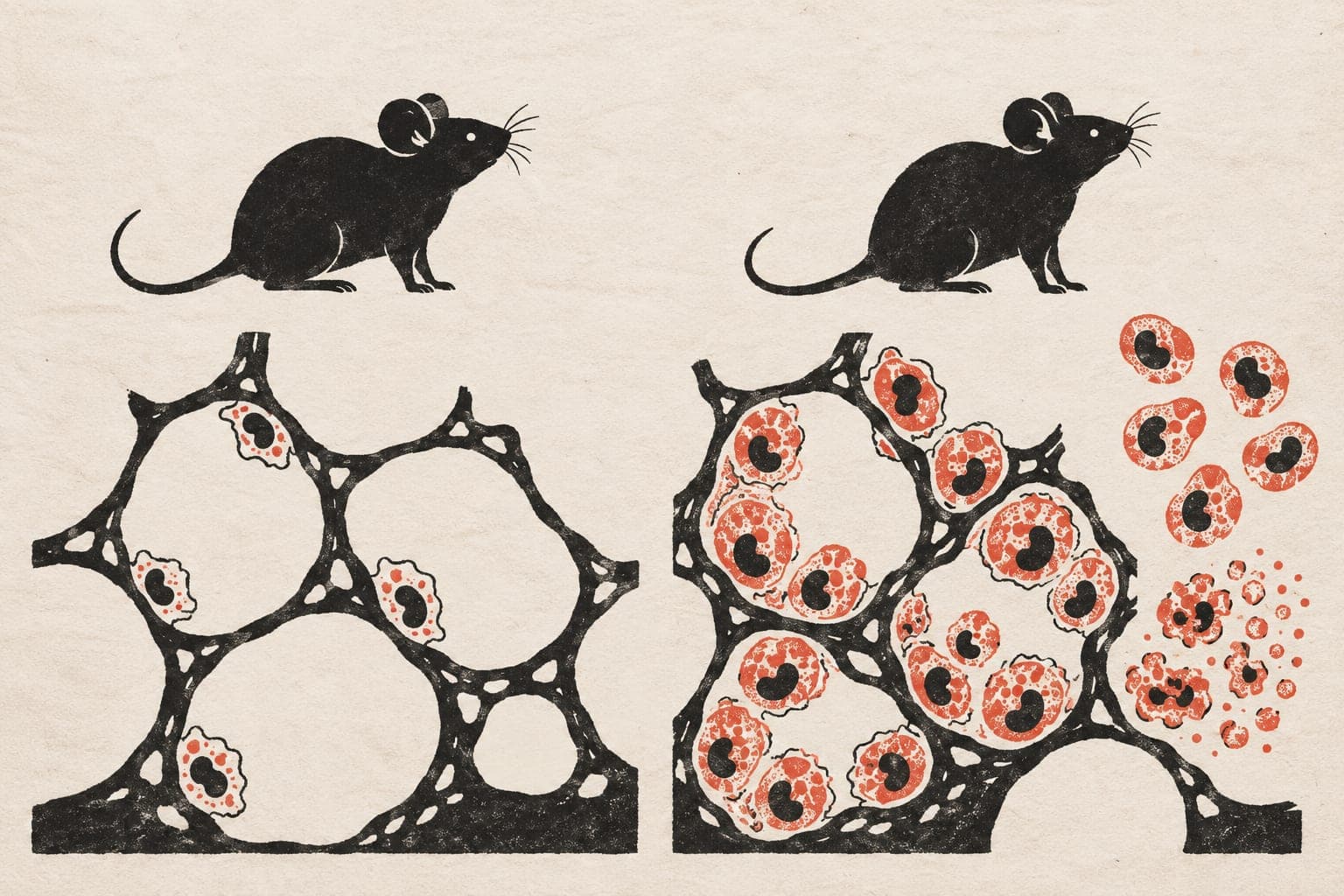
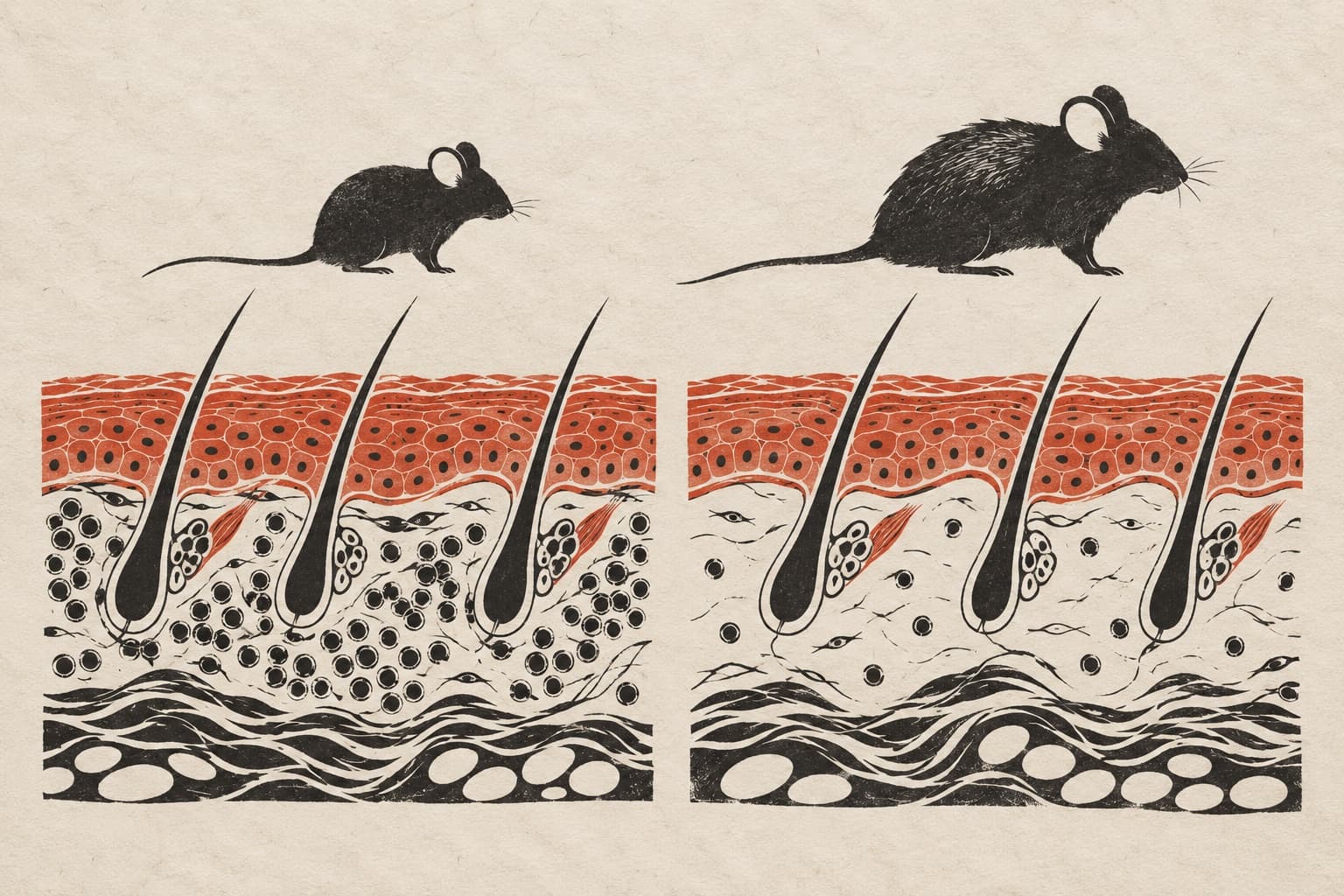
Age-related decline in neutrophil function reduces vaccine protection against Streptococcus pneumoniae. In vaccinated hosts, neutrophil activation via complement and Fcγ receptors mediates bacterial uptake and killing. Mechanisms behind age-related changes in signaling of these receptors is unknown. Using neutrophils from young and old mice, we found opsonin-dependent differences in mitogen-activated protein kinase (MAPK) activation. Neutrophils from old mice had higher basal phosphorylation of MAPK proteins than those of young control mice, including a 15-fold increase in phosphorylated extracellular signal-regulated kinase 1/2 (ERK1/2), but did not increase phosphorylation upon infection with antibody-opsonized bacteria. Inhibition of ERK1/2 signaling blunted killing of antibody-opsonized pneumococci by neutrophils from young mice but improved killing in old mice. In young adult human participants, inhibition of ERK1/2 signaling in neutrophils decreased pneumococcal killing, but only in vaccinated hosts, demonstrating the clinical relevance of this pathway. This study demonstrates that balanced activation of ERK1/2 is crucial for neutrophil antimicrobial activity against antibody-opsonized bacteria but is disrupted in old hosts.
The paper
University at Buffalo, State University of New York
Journal of Leukocyte Biology, 19 Jan 2026