Epigenetic consequences of DNA damage
Abstract
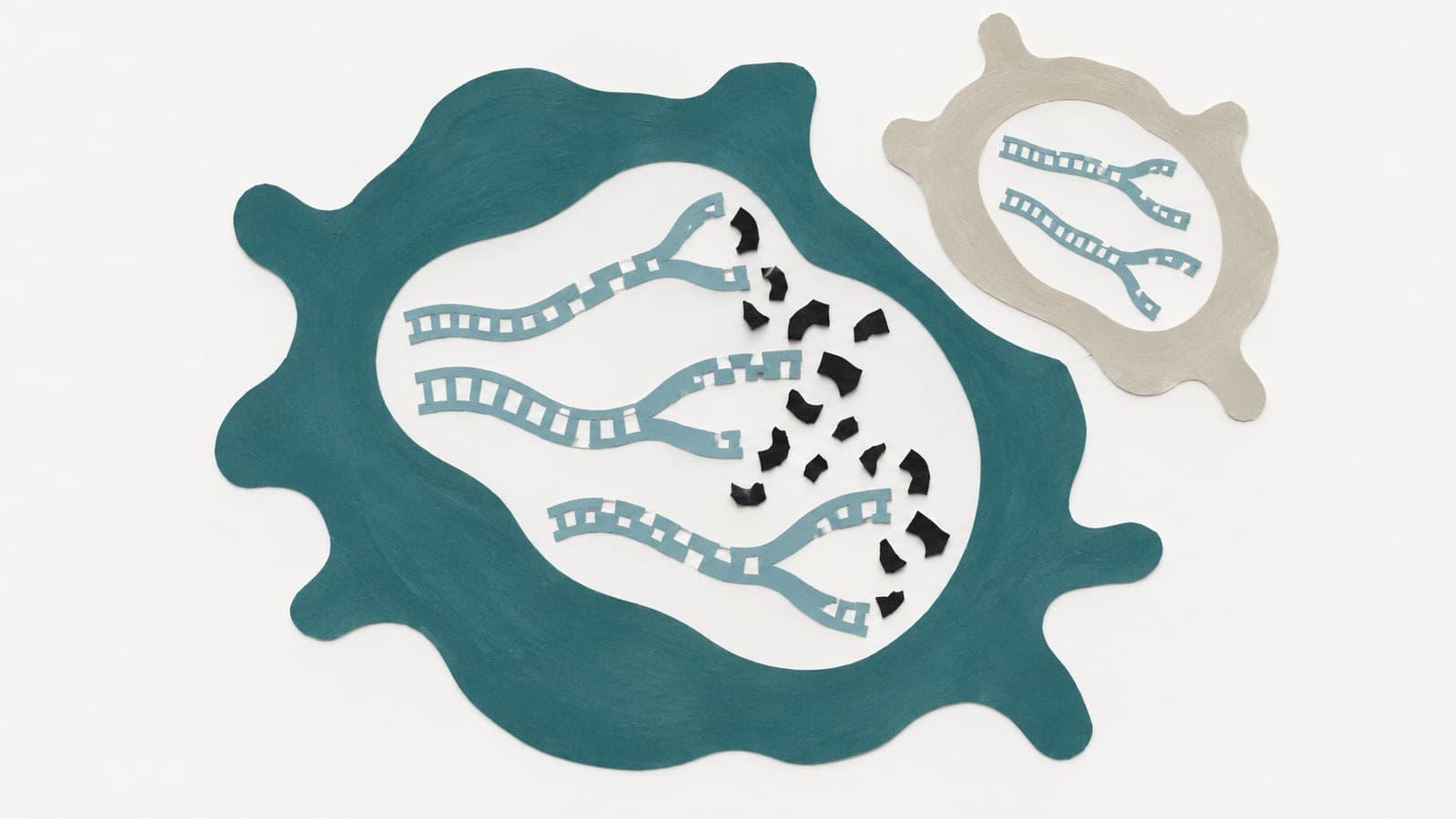
Genome regulation is shaped not only by DNA sequence but also by epigenetic mechanisms that influence chromatin structure and gene expression. While epigenetics has classically focused on heritable DNA and histone modifications, growing evidence indicates that certain forms of DNA damage can also generate persistent changes in transcriptional states that are heritable in some scenarios. This review examines how diverse DNA damage-associated processes-including oxidative lesions, R-loops, telomeric damage, DNA double-strand breaks, and poly-ADP-ribosylation-intersect with the epigenome. We highlight the roles of oxidative DNA damage and repair in transcriptional regulation, the contribution of R-loops to gene expression and DNA methylation dynamics, and the impact of telomere-associated damage on chromatin organization and genome maintenance. DNA lesions, and in some cases DNA repair-associated proteins, can thus leave epigenetic "scars" that influence cellular identity, aging, and disease, expanding current views of epigenetic inheritance and genome stability.
The paper
The University of Texas at Austin; University of Pittsburgh
Molecular Cell, Jan 15, 2026