Mechanical Memory and NF-κB Signaling in Dental Pulp Stem Cell Odontogenic Differentiation
By Ghaffari M, Shrestha A
Abstract
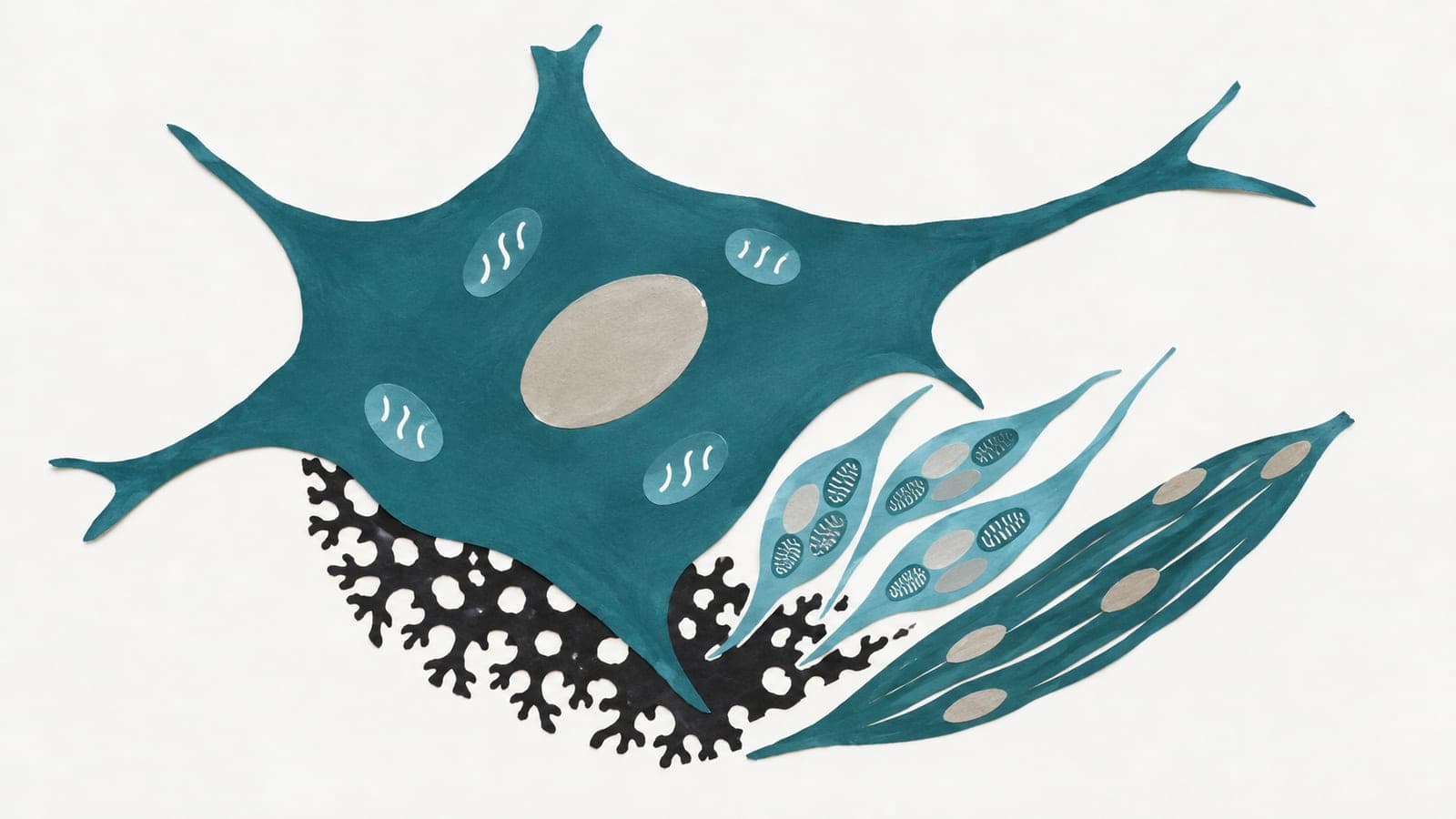
INTRODUCTION: This study aimed to investigate how substrate stiffness and dimensionality regulate stemness, senescence, and subsequent odontogenic differentiation in dental pulp stem cells (DPSCs). It further examines the interplay of priming period and odontogenic induction and elucidates the role of NF-κB signaling in this process. METHODS: Mechano-variant PDMS substrates with tunable stiffness (2kPa to 50kPa) were fabricated for 2D and 3D cultures. DPSCs were primed on these substrates for 7 days and subsequently induced for odontogenesis. Analyses included gene expression, immunofluorescence imaging, and matrix mineralization. RESULTS: The 2kPa substrates significantly enhanced early odontogenic differentiation, evidenced by upregulation of DMP-1 and DSPP, along with higher expression of stemness markers (NANOG, SOX-2). This condition minimized senescence and promoted mixed nuclear and cytoplasmic NF-κB localization, suggesting a priming effect for efficient differentiation. In contrast, 3D substrates exhibited delayed but robust odontogenic responses, coupled with increased epigenetic regulation (HAT-1, HDAC-1) and elevated XRCC5 expression at day 21, indicating active DNA repair and intermediate senescence levels that stabilized over time. CONCLUSIONS: Soft substrates (2kPa) preserve stemness and promote early differentiation, while 3D environments favor late-stage differentiation and balanced senescence. These findings emphasize the importance of priming period and dimensionality in optimizing MSC-based regenerative therapies.
The paper
Ghaffari M, Shrestha A
Journal of Endodontics, 9 Jan 2026