Impaired PGC-1α-pAMPK signaling in postmenopausal women undergoing cardiac surgery and the role of nicotinamide in its reversal: Insights from a murine model
Abstract
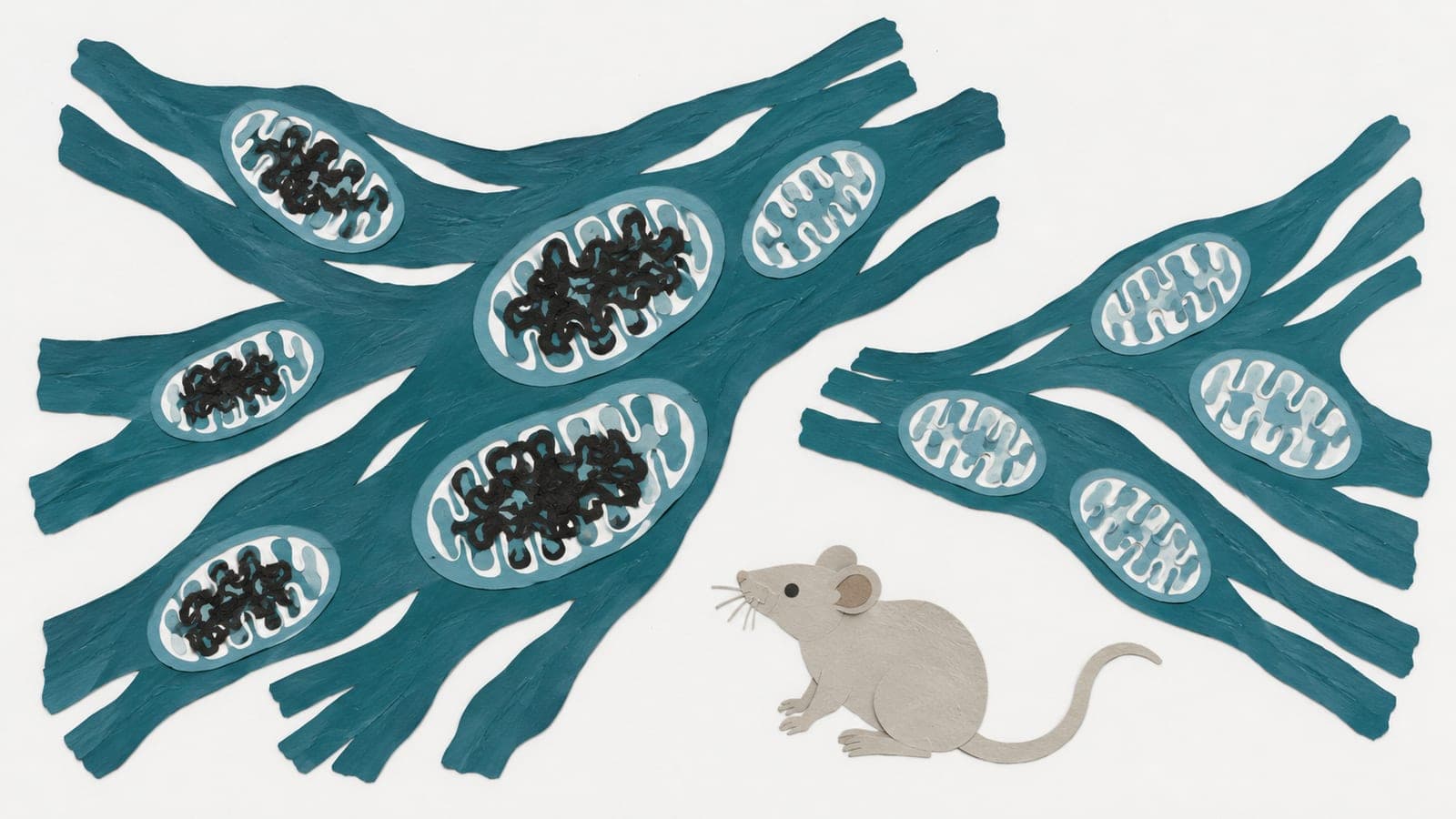
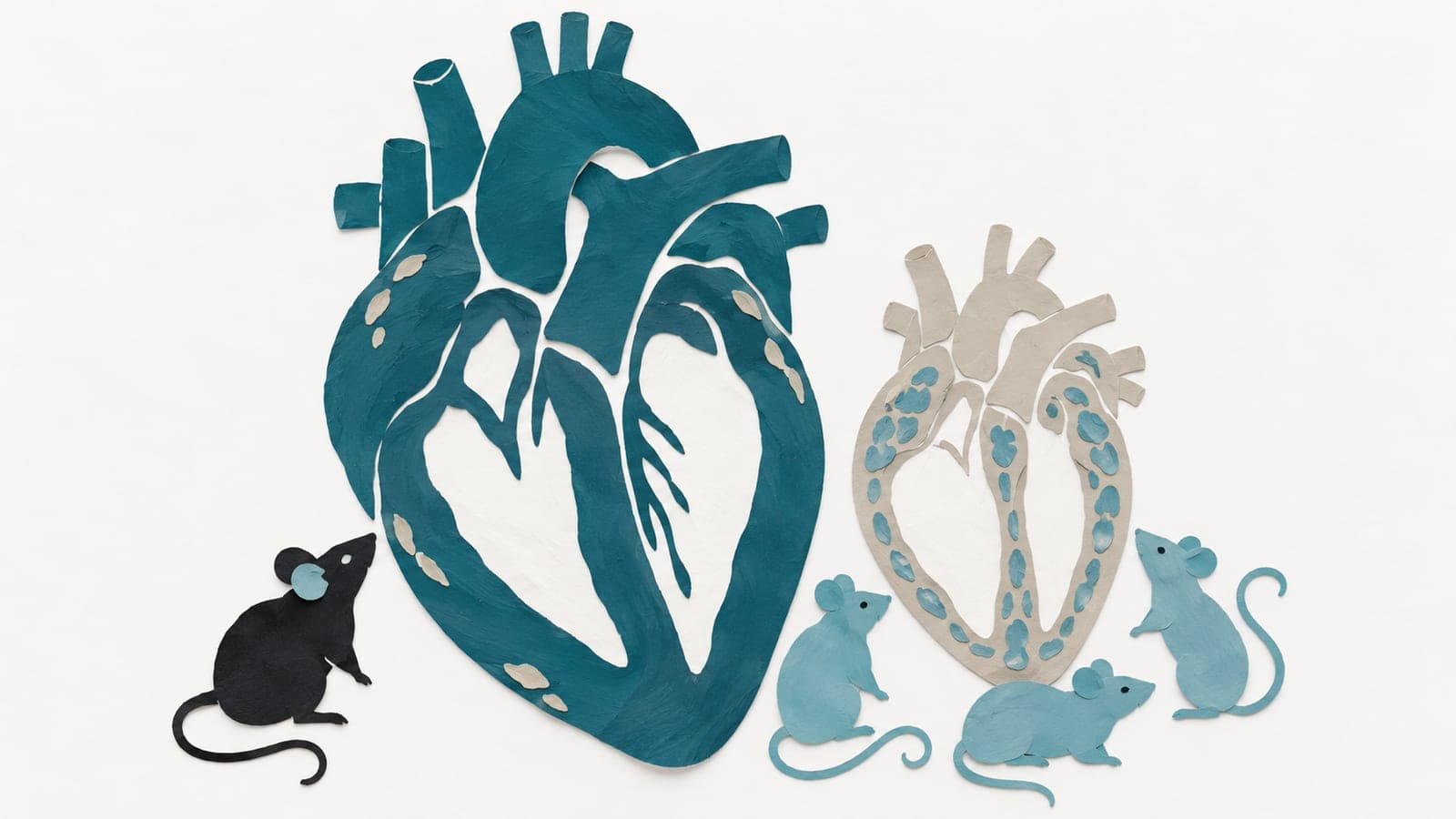
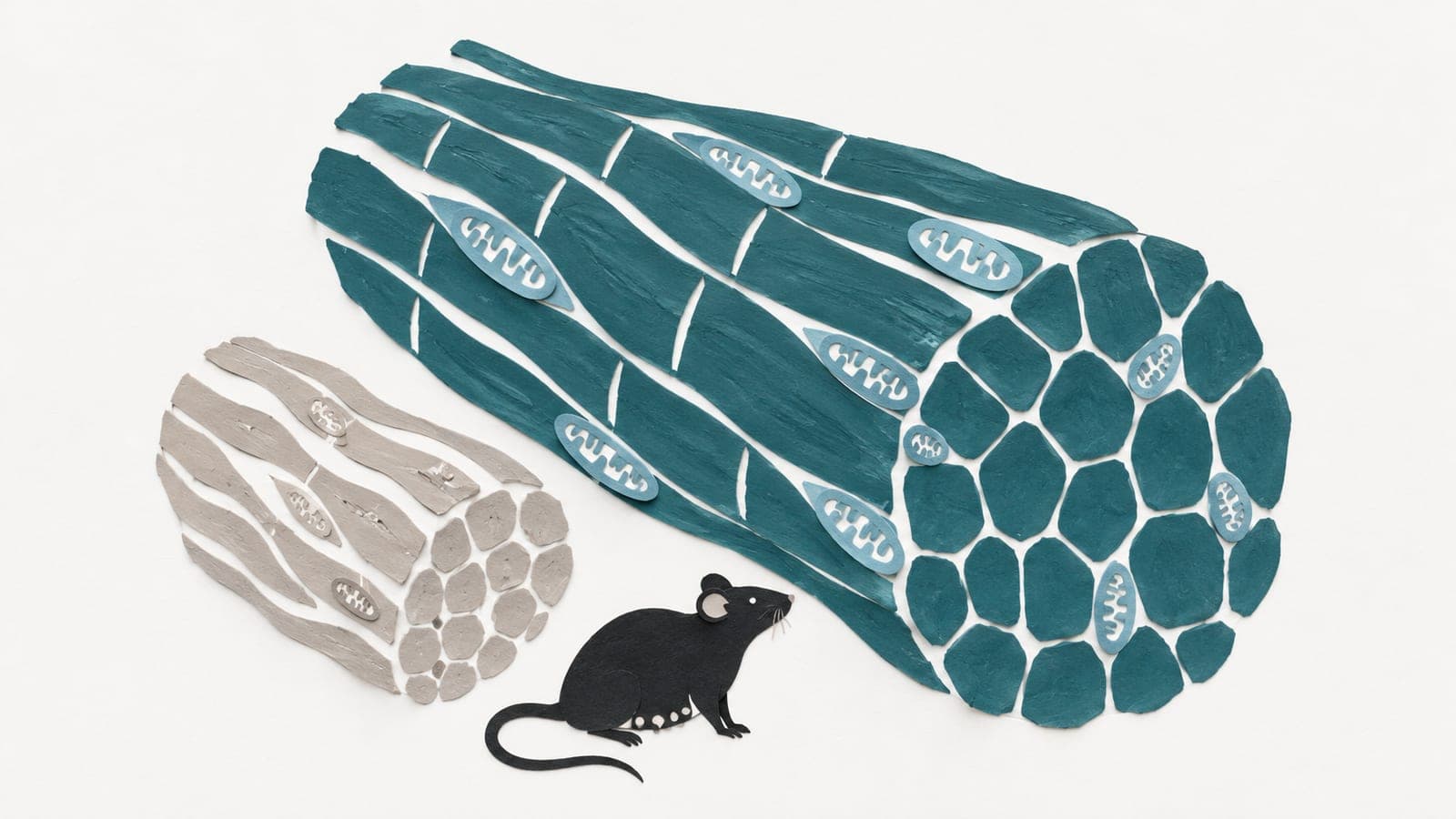
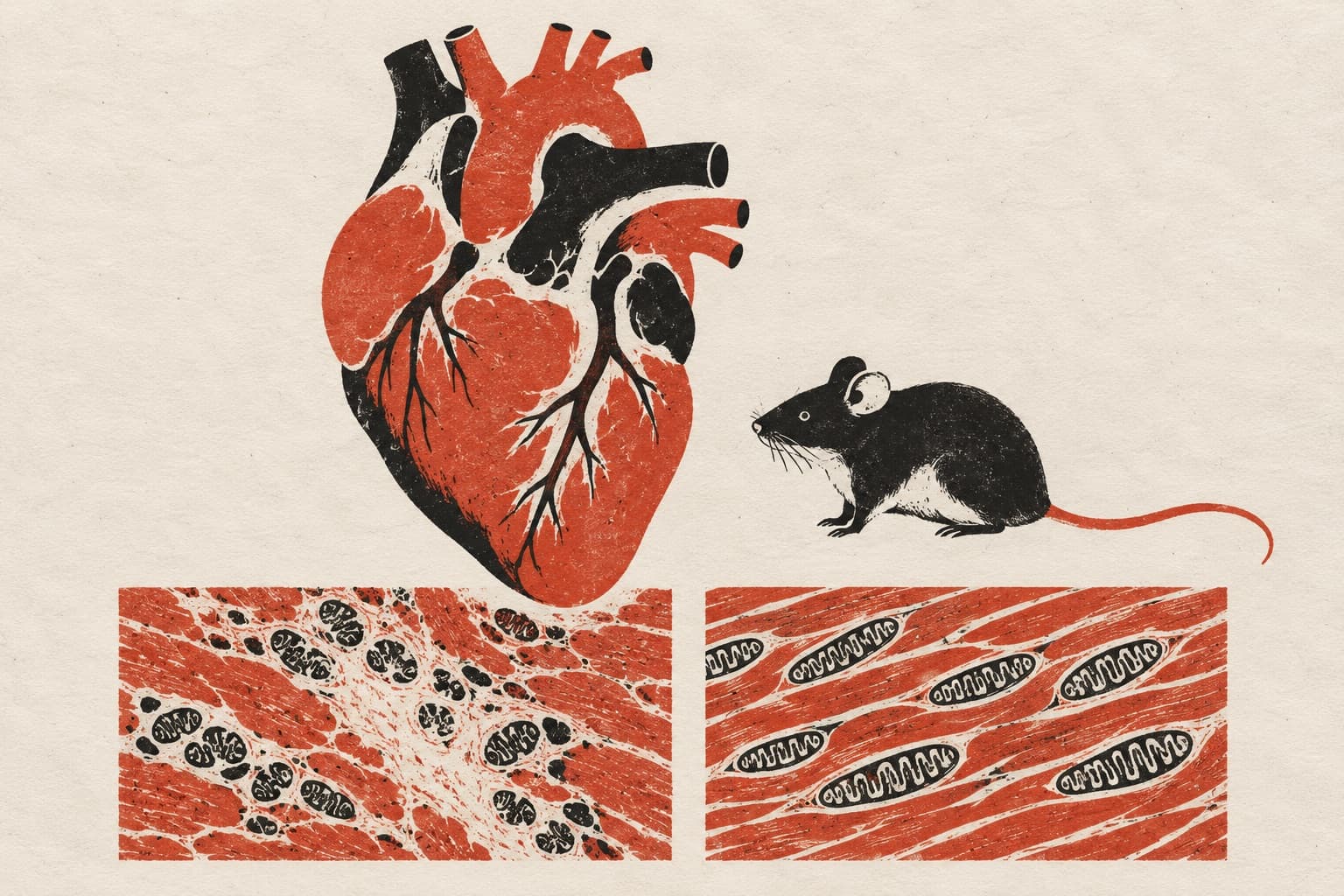
Postmenopausal women undergoing cardiac surgery face disproportionately worse outcomes compared with men, a disparity linked to mitochondrial dysfunction following estrogen loss. We investigated sex-specific metabolic responses to cardiac stress in surgical patients and in a murine model of postmenopausal dysfunction, with a focus on proliferator-activated receptor gamma coactivator 1-alpha (PGC-1α) signaling and the therapeutic potential of nicotinamide (NAM), a precursor of nicotinamide adenine dinucleotide (NAD⁺). In a prospective cohort of 102 patients (51 men, 51 women) undergoing cardiac surgery with cardiopulmonary bypass, women exhibited a significantly higher incidence of diastolic dysfunction and longer hospital stays despite comparable baseline characteristics. Molecular analysis of atrial tissue revealed that men demonstrated increased postoperative PGC-1α and phosphorylated AMP-activated protein kinase (pAMPK), while women had reduced expression and also displayed a significant decline in myocardial NAD⁺ levels. To mechanistically model these findings, ovariectomized mice on a high-fat diet exhibited reduced myocardial PGC-1α and pAMPK expression, suppressed antioxidant defenses, and increased fibrosis. NAM supplementation restored myocardial NAD⁺, increased PGC-1α expression, and significantly improved systolic and diastolic cardiac function. These findings indicate that loss of estrogen impairs responses to oxidative stress in postmenopausal women, predisposing to adverse outcomes after cardiac stress. NAM may represent a promising non-hormonal strategy to restore mitochondrial function and improve cardiac function. This supports further evaluation of NAD⁺-boosting therapies as targeted interventions for postmenopausal women at risk of heart failure with preserved ejection fraction.
The paper
Beth Israel Deaconess Medical Center
Journal of Molecular and Cellular Cardiology Plus, 22 Nov 2025