Assessing age and cold ischemia effects on liver tissue viscoelastic properties: Implications for graft quality assessment with MRE during machine perfusion
Abstract
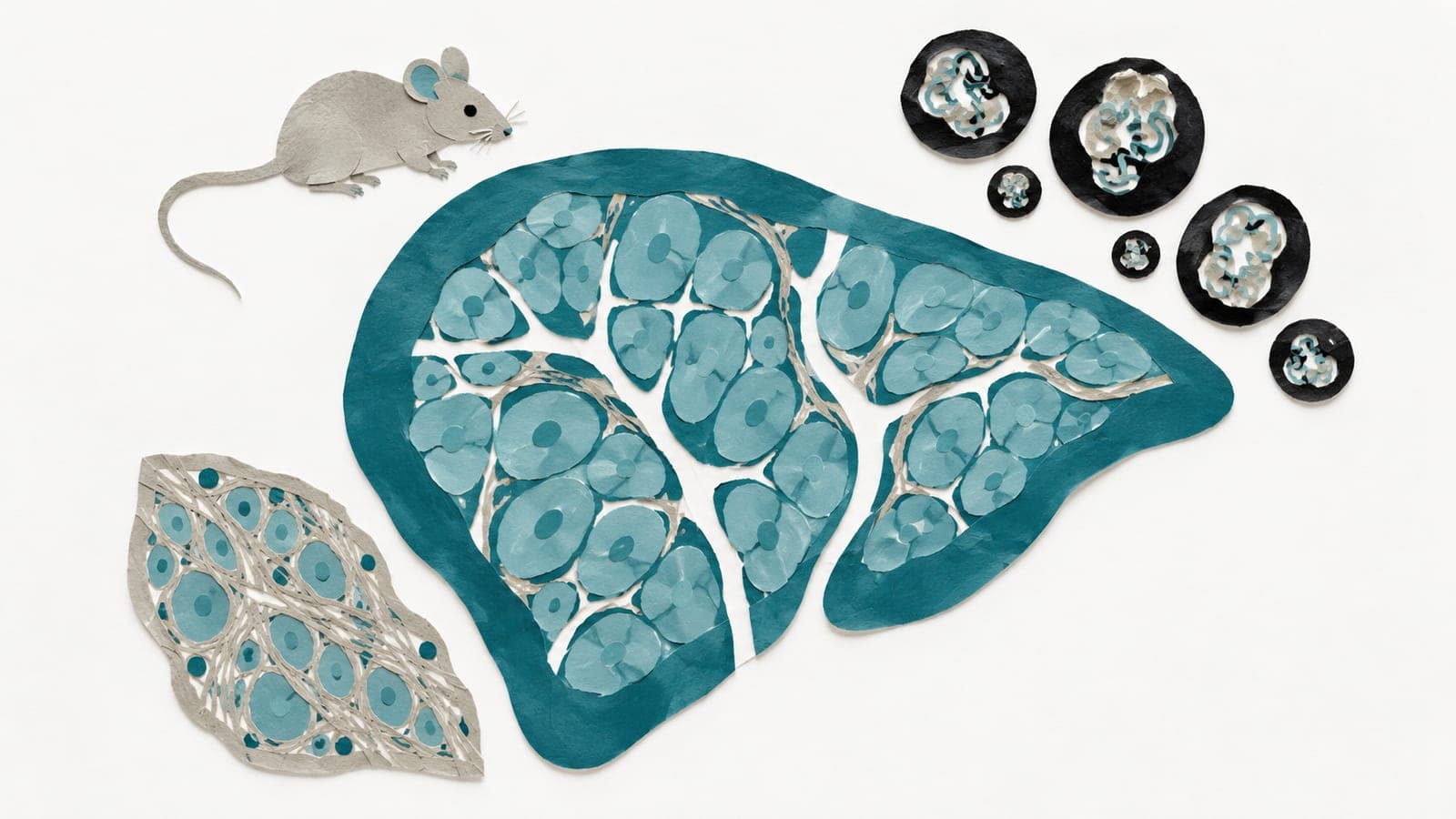
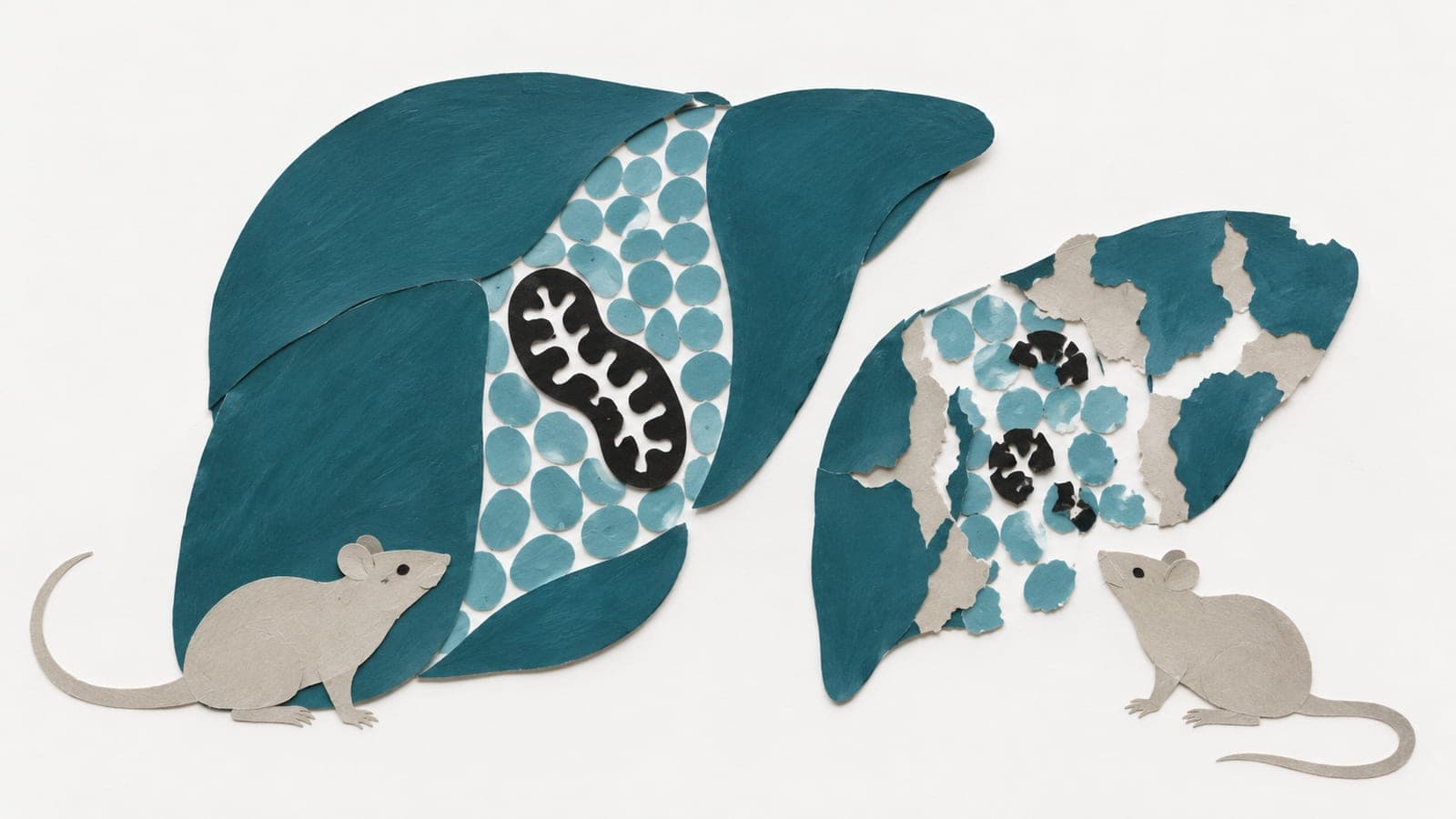
OBJECTIVE: Liver transplantation remains the primary treatment for end-stage liver disease, however, a shortage of suitable grafts persists. Factors contributing to this imbalance include insufficient organ quality, which exhibit higher complication rates, exacerbated by static cold storage. Normothermic Machine Perfusion (NMP) is proposed as an alternative, offering dynamic preservation, and quality assessment. This study introduces magnetic resonance elastography (MRE), to evaluate changes of viscoelastic properties of the liver after NMP for quality assessment. MATERIALS AND METHODS: In this study, using a rat liver NMP model, we investigated whether older age and extended cold ischemia time (CIT) affect liver tissue properties after NMP. Ex vivo MRE measurements were conducted using a multifrequency tabletop 0.5-T MRE with excitation frequencies ranging from 500 Hz to 5300 Hz and viscoelastic model fitting with power-law exponent α. RESULTS: Samples of 24 Sprague Dawley rat livers were analyzed after 6- or 12-h of cold ischemia time and consequent 6-h NMP. All samples had predominantly viscous-fluid properties (ɑ>0.5). The powerlaw exponent ɑ was the highest in livers from 3-month-old rats and short cold ischemia (0.61, IQR 0.61-0.75) and lowest in long cold ischemia and older liver grafts (0.56, IQR 0.55-0.62; p < 0.001). Furthermore, shear modulus μ was significantly lower in 3-month-old rats and short cold ischemia than all other groups (p < 0.001). CONCLUSION: Despite NMP, viscoelastic properties of liver tissues were still slightly impaired after extended CIT. MRE could serve as a diagnostic imaging tool, complementing MRI and pathological evaluation, for assessing the quality of liver grafts after NMP.
The paper
Humboldt-Universität zu Berlin
Journal of the Mechanical Behavior of Biomedical Materials, 1 Dec 2025