M1 macrophage-derived exosomal miR-126-5p promotes endothelial cell senescence and deep vein thrombosis by targeting splicing factor SRSF11
By Guo P, Du K, Xiao Y et al.
Abstract
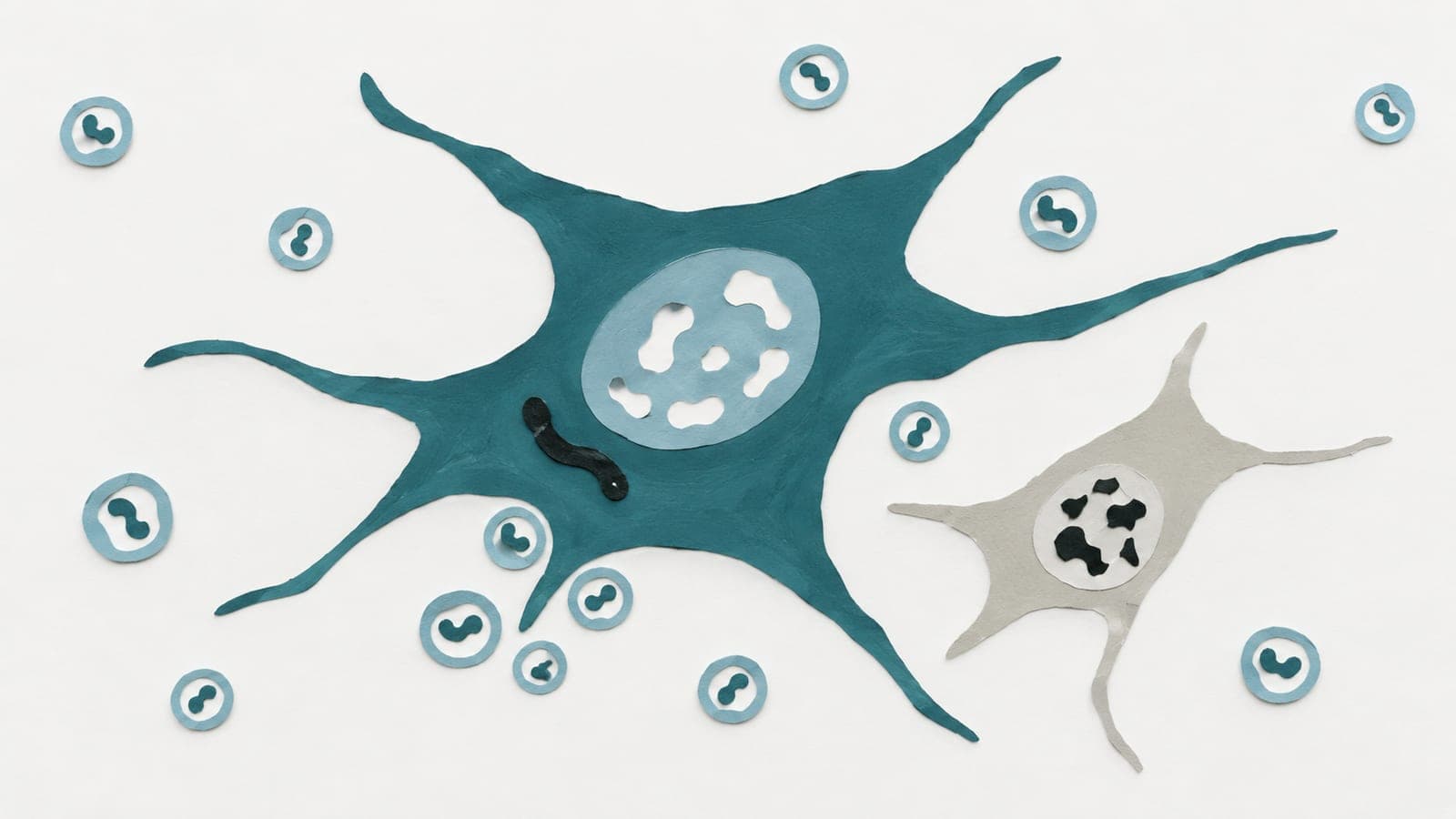
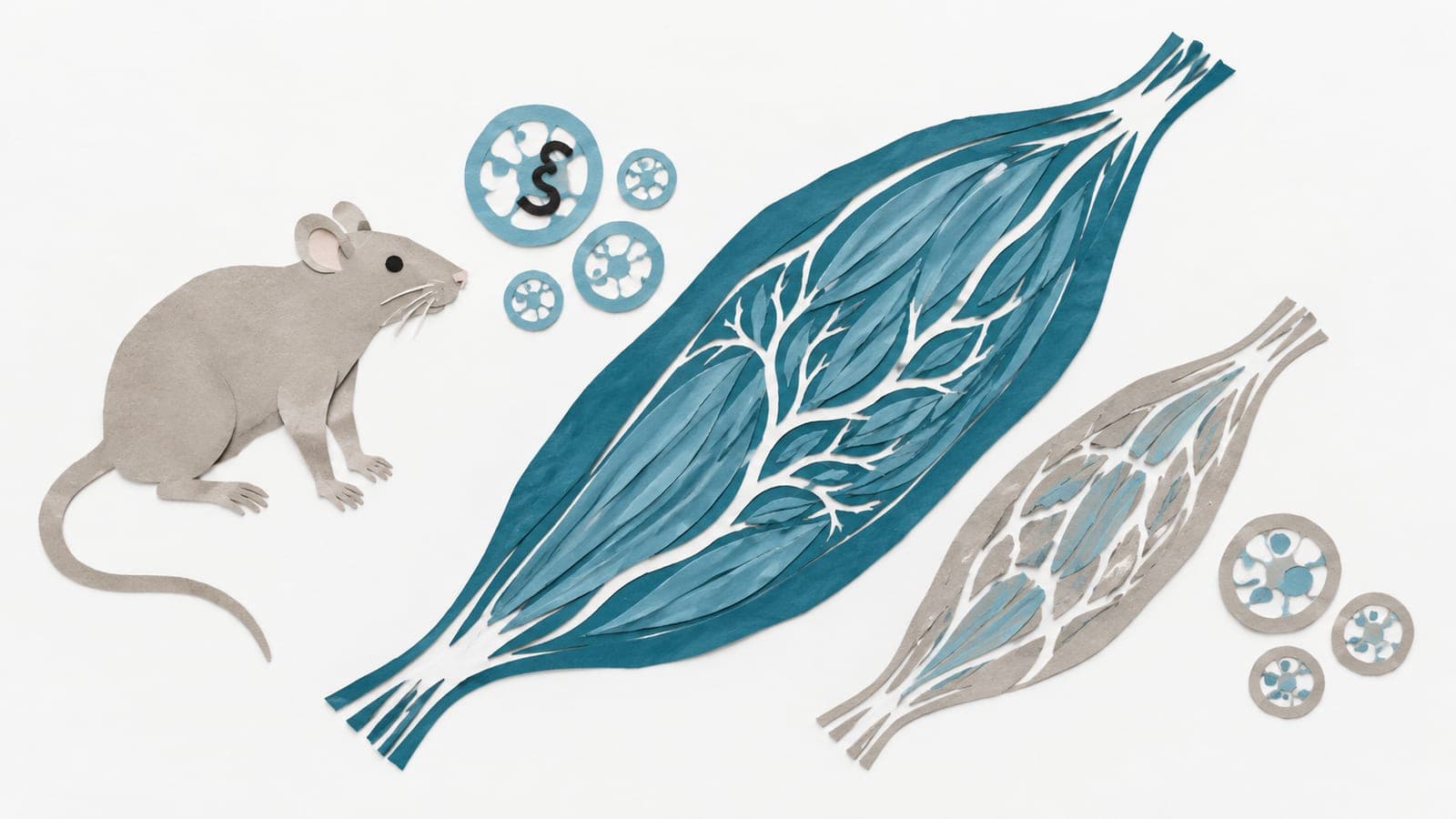
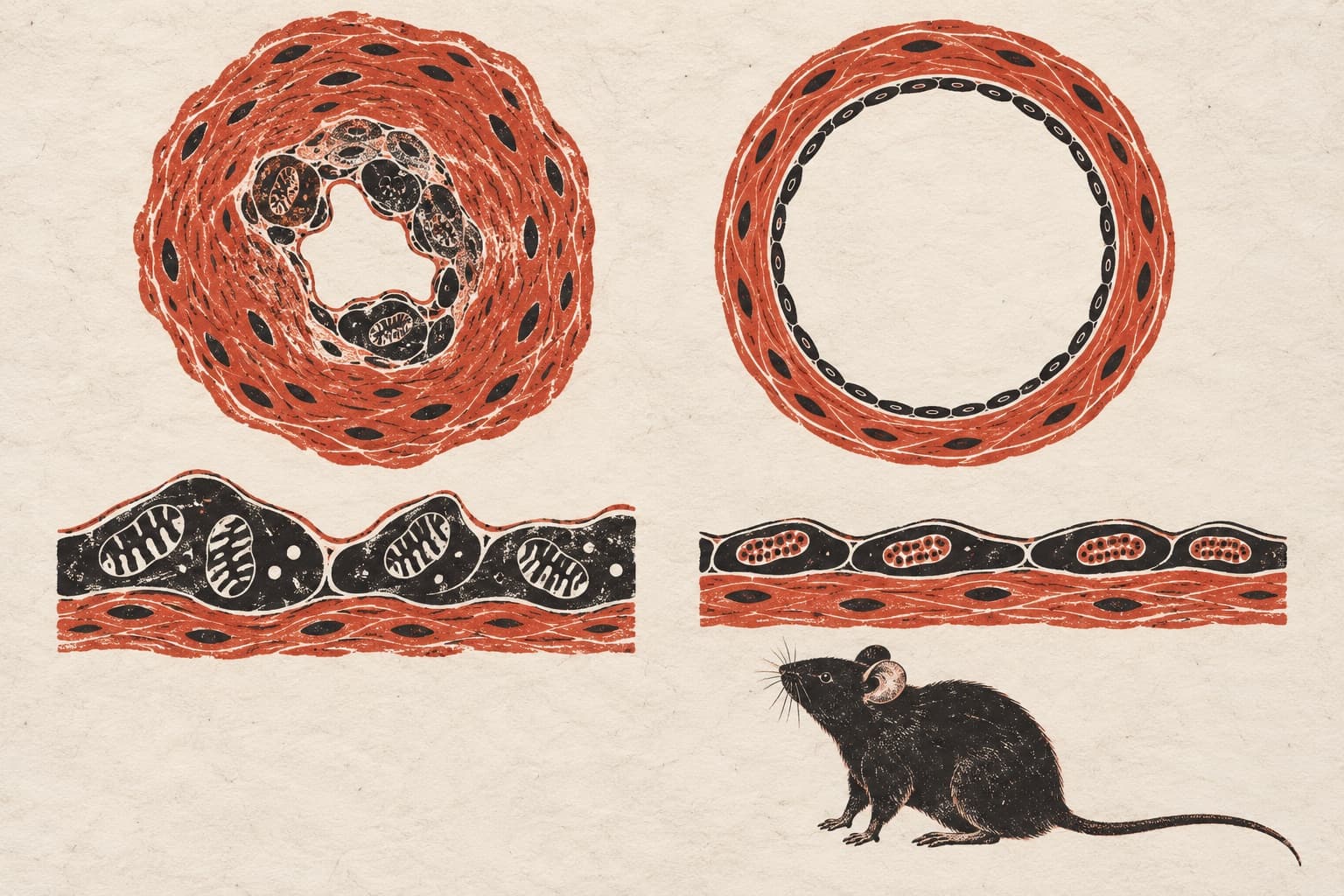
BACKGROUND: Deep vein thrombosis (DVT) is a vascular complication with a high incidence after trauma and surgery, and its pathogenesis is closely related to vascular endothelial dysfunction. Recent studies have found that M1 macrophage polarization participates in thrombosis through exosome-mediated miRNA delivery, but the specific mechanism has not yet been clarified. This study focuses on the regulatory role of miR-126-5p in M1 macrophage exosomes and its downstream splicing factor SRSF11 in endothelial senescence and DVT. METHODS: To investigate the regulatory mechanism of miR-126-5p in M1 macrophage exosomes and its downstream splicing factor SRSF11 in vascular endothelial cell senescence and deep vein thrombosis (DVT), this study conducted a series of experiments: THP-1 cells were cultured in vitro and induced into M0 and M1 macrophages. After isolating M1 macrophage exosomes by ultracentrifugation, their characteristics were identified using transmission electron microscopy and Western blot, and the content of miR-126-5p in exosomes was detected by RT-qPCR; fluorescently labeled exosomes were co-cultured with HUVECs, and cell senescence and apoptosis were detected by SA-β-gal staining and flow cytometry. RIP experiments were performed to verify the binding of SRSF11 to Sirt1/P21 precursor mRNA, and functional rescue experiments were conducted to verify the role of SRSF11 or Sirt1-FL; a mouse inferior vena cava ligation DVT model was established in vivo, and miR-126-5p agonists/antagonists were injected in groups. Thrombus conditions and related molecular expressions were analyzed by HE staining, Masson staining, immunofluorescence, TEM, and molecular detection. RESULTS: Experimental results showed that in vitro enriched CSCs highly expressed stemness markers and exhibited typical stem cell morphological characteristics. After induction, the expression of polarization markers on the surface of M1 macrophages increased, and the exosomes they secreted had a typical nanovesicle structure and were rich in target miRNAs. Endothelial cells could efficiently uptake exosomes. Overexpression of the target miRNA promoted cell senescence and apoptosis, while inhibition reversed this effect. RIP experiments confirmed that splicing factors bind to target gene mRNA, and the target miRNA upregulates pro-senescence splice variants by inhibiting splicing factors. In the in vivo model, DVT mice developed obvious thrombi. Injection of agonists aggravated thrombosis and collagen deposition, and upregulated senescence-related proteins, while antagonists reversed the above changes, confirming that the target molecule promotes DVT formation by regulating cell senescence. CONCLUSION: M1 macrophages deliver miR-126-5p through exosomes, which target and inhibit the expression of the splicing factor SRSF11, leading to the dysregulation of alternative splicing of the Sirt1/P21 genes (with an increase in pro-aging isoforms), thereby driving endothelial cell senescence and DVT formation. This study is the first to reveal the core role of the "exosomal miRNA-splicing factor-endothelial senescence" axis in DVT, providing a new strategy for targeted intervention.
The paper
Guo P, Du K, Xiao Y et al.
International Immunopharmacology, 3 Dec 2025