Aging-related changes in cognitive flexibility: fMRI meta-analysis
2,246 participants
Abstract
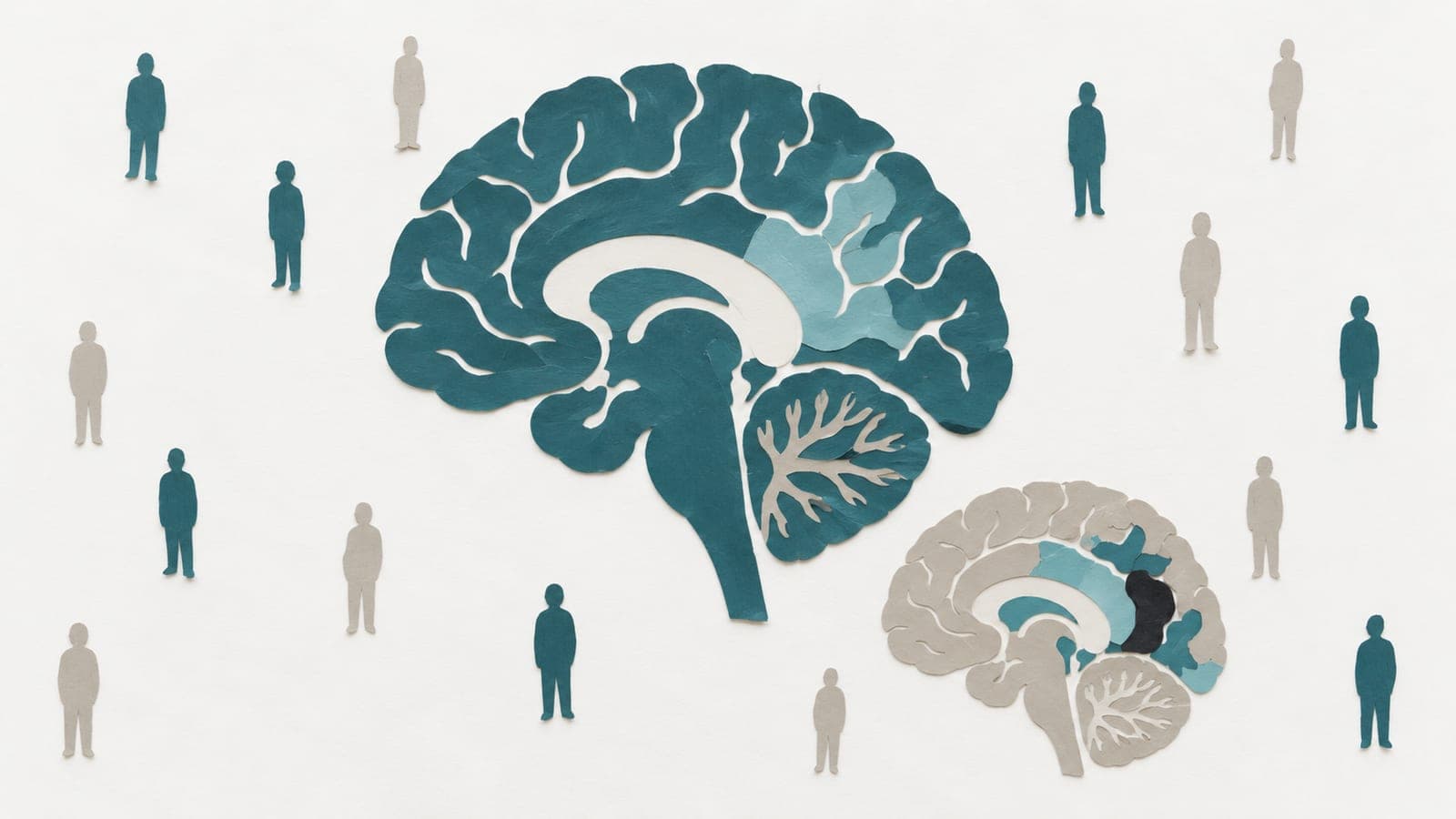
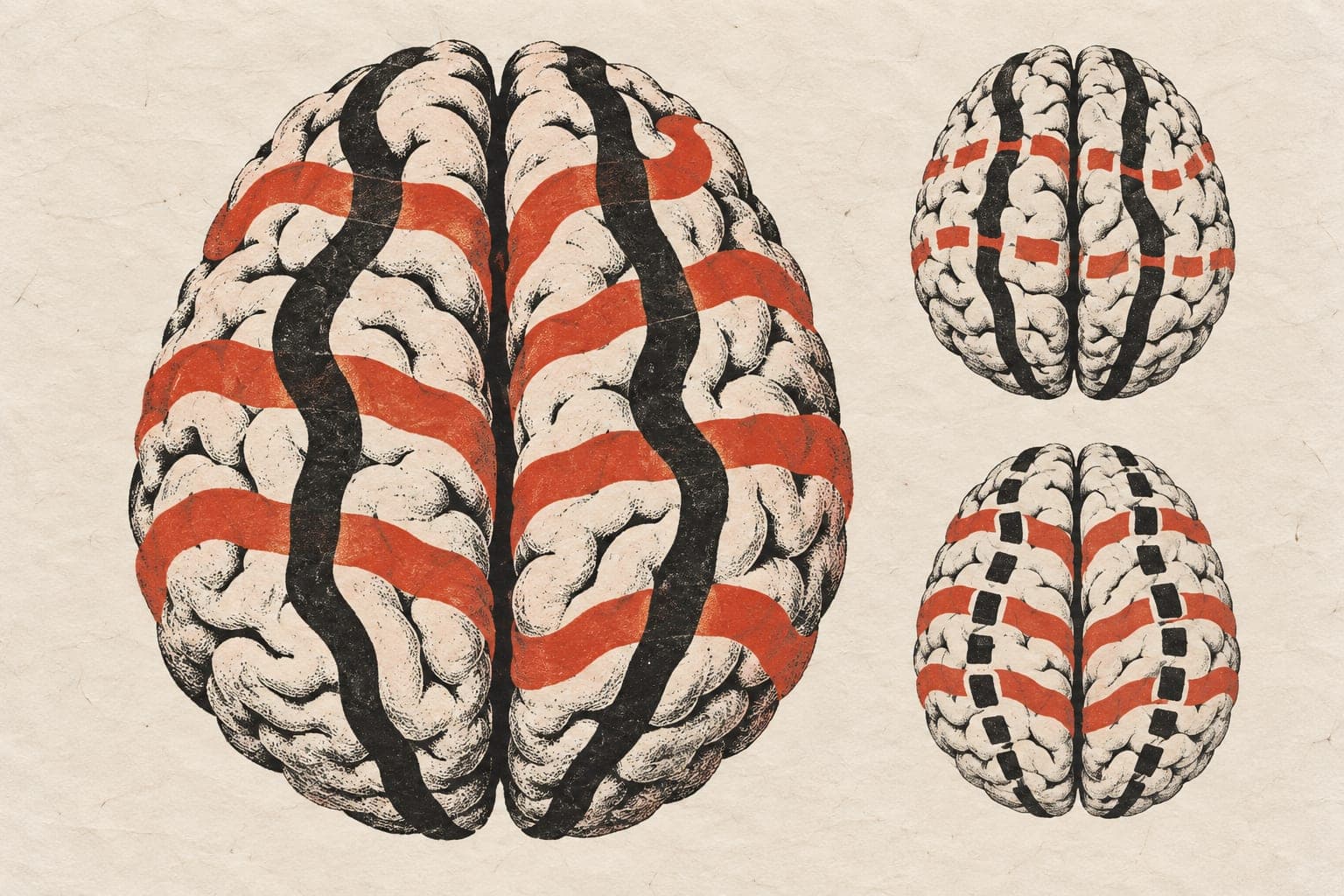
Cognitive flexibility-the ability to adaptively shift between different mental processes-is essential for human functioning. This meta-analysis examines age-related changes in neural correlates of cognitive flexibility using two common assessments: the Wisconsin Card Sorting Test (rule-discovery) and Task-Switching Paradigm (rule-retrieval). We synthesized findings from 85 articles comprising 118 experiments with 2246 participants across young, middle-age, and older adult groups. Activation Likelihood Estimation analyses revealed an age-related decrease in neural involvement, particularly in posterior regions, with an anterior shift in older adults. Younger adults exhibited bilateral activation patterns while older adults showed left-dominant activity, indicating neural circuit redistribution. Rule-retrieval tasks consistently engaged left-lateralized frontoparietal regions across all age groups, with middle-age adults additionally recruiting the right cerebellum and medial frontal gyrus. For rule-discovery tasks, age-related changes were observed in bilateral frontoparietal regions, with older adults showing unique activation in the left inferior frontal gyrus. These findings highlight differential aging trajectories for rule-retrieval versus rule-discovery processes, reflecting changes in neural mechanisms with aging. Furthermore, middle-age adults recruited additional regions related to conflict monitoring, whereas older adults relied more on planning-related areas, suggesting strategy differences. Our study provides critical insights into the neural underpinnings of cognitive flexibility and its age-related changes, emphasizing the need for research on mechanisms and task-specific age trajectories.
The paper
National Research University Higher School of Economics; York University
Behavioral and Brain Functions, 16 Nov 2025