The association between hearing impairment and incident depression in older adults: a longitudinal analysis
Abstract
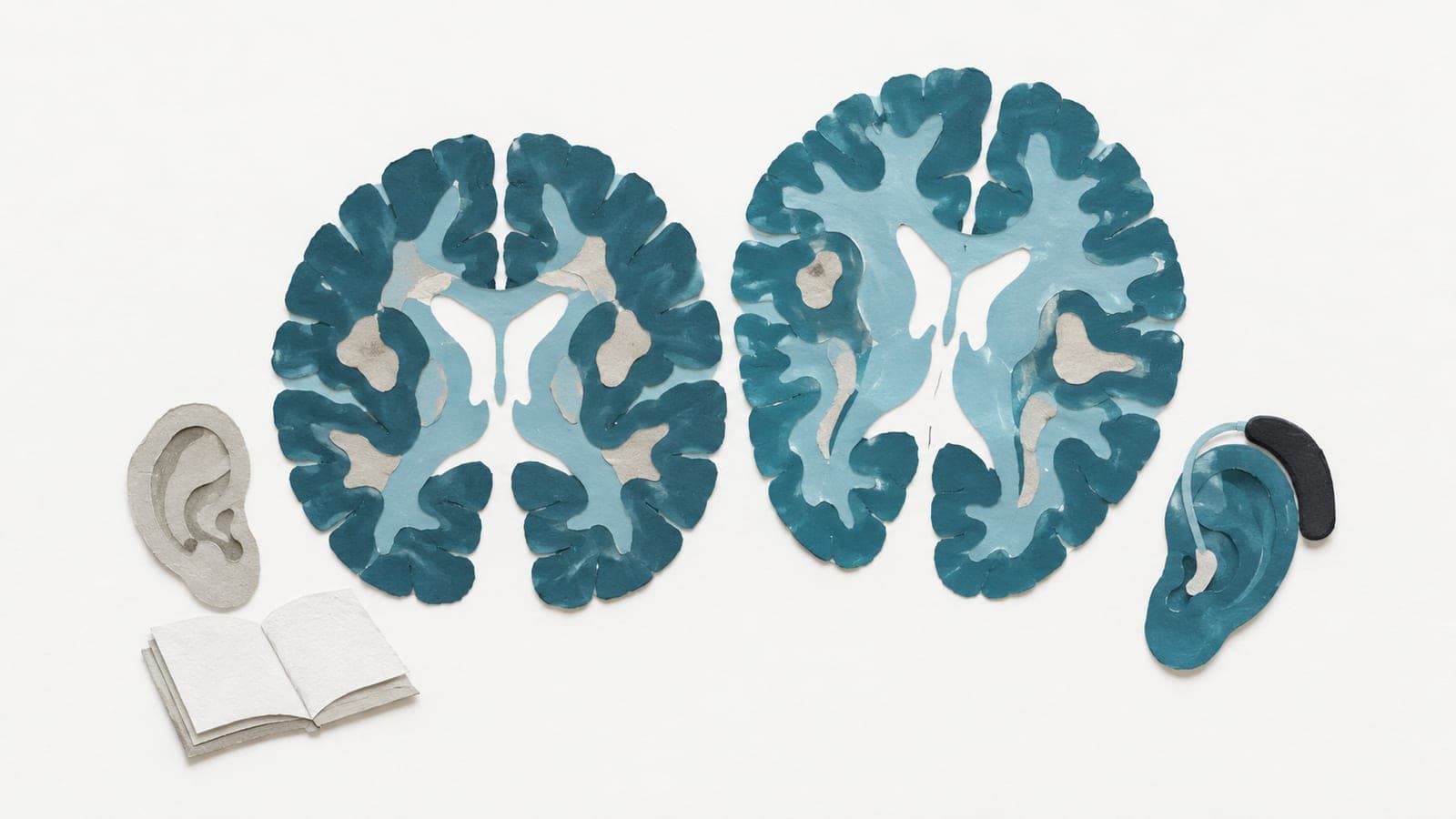
BACKGROUND: Hearing loss (HL) is common in older adults and is associated with several adverse health outcomes. Although previous research has demonstrated a link between hearing impairment and depression, most studies have been cross-sectional or relied on a single baseline measure of hearing. To investigate the association between longitudinal, time-varying audiometric measures of hearing and incident depression in older adults. A secondary aim was to assess whether hearing aid use modifies this association over time in those with moderate to severe HL. METHODS: We included 1260 participants who underwent pure-tone audiometry at baseline, 18 months, and 36 months. Depression was defined using the CES-D-10 scale, with a cut-score of ≥8. Cox proportional hazards analyses were used to examine the link between hearing status (normal, mild HL, moderate/severe HL) and depression, adjusted for demographic, lifestyle, and clinical variables. RESULTS: Over a median follow-up of 7.3 years, participants with moderate to severe HL had a higher risk of incident depression (adjusted HR [aHR]: 1.24; 95% CI, 1.08-1.43, P < 0.01) compared with participants with normal hearing. Hearing aid use (≥6 h self-reported use per day on average) in those with moderate to severe HL was associated with significantly reduced risk of incident depression (aHR: 0.65; 95% CI, 0.49-0.87, P < .01). CONCLUSION: Moderate to severe HL is a significant risk factor for incident depression among older adults. Hearing aid use attenuated this risk. Future research should investigate mechanistic pathways linking HL and mood disturbances.
The paper
Barwon Health
The Journals of Gerontology, Series A, 9 Nov 2025