NAD⁺ reverses Alzheimer's neurological deficits via regulating differential alternative RNA splicing of EVA1C
Abstract
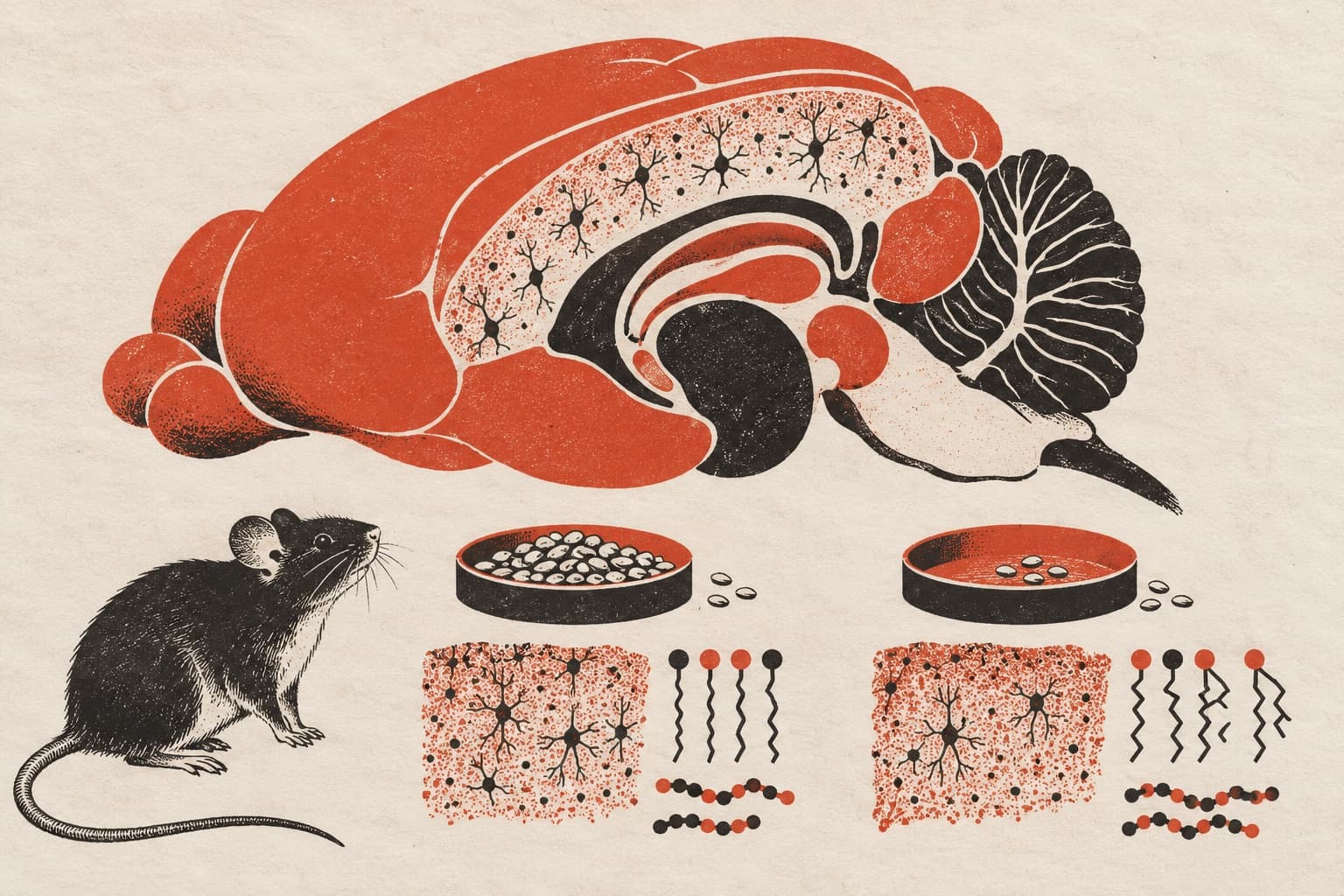
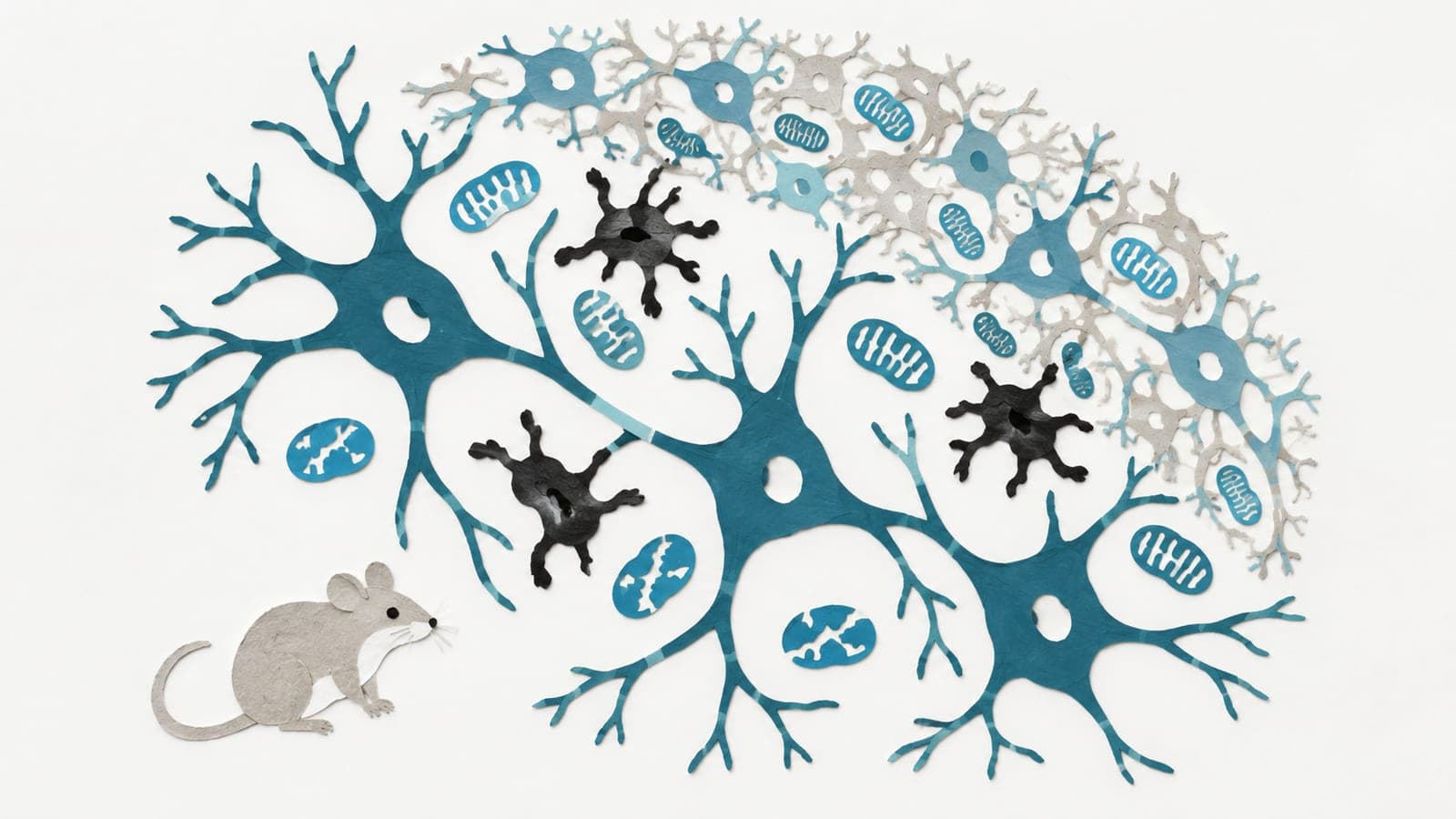
Dysfunctional alternative splicing events (ASEs) in RNA are markers of aging and Alzheimer's disease (AD). As a key neuronal resilience metabolite, the oxidized nicotinamide adenine dinucleotide (NAD⁺) slows down AD progression in preclinical studies with several clinical trials ongoing. However, the underlying molecular mechanisms around how NAD⁺ enhances neuronal resilience, especially whether it has any effect on ASEs, have remained elusive. This study shows that NAD⁺ augmentation corrects the ASEs of many genes via a key protein, EVA1C (epithelial V-like antigen 1 homolog C), which is involved in neuronal development and activities. EVA1C is reduced in the hippocampus in patients with AD compared to cognitively normal ones. NAD⁺-induced memory retention is partially dependent on EVA1C, as adeno-associated virus-based Eva1c knockdown in the hippocampal CA1 region annuls NAD⁺-induced memory improvement in pathological Tau-bearing mice. We propose that NAD⁺ reduces AD pathologies, at least partially, via amplification of the NAD⁺-EVA1C splicing axis, pointing to a potential splice-switching therapy for AD.