Changes in Geriatric Depression Scale scores in relation to physical performance, inflammatory status, and hippocampal atrophy over a 7-year follow-up: Data from the Pro.V.A. study
Abstract
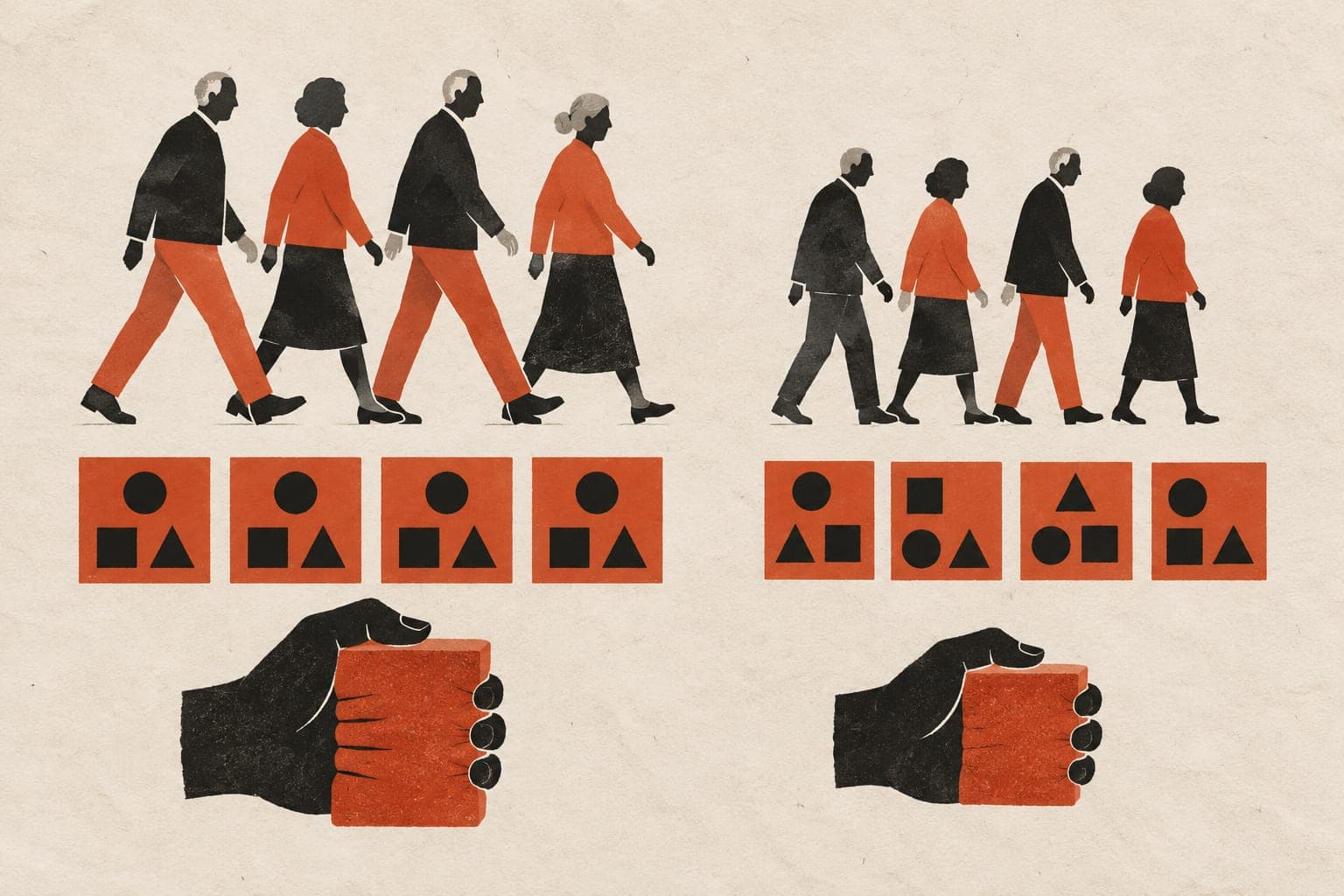
BACKGROUND: Depression in older adults often goes undiagnosed due to subtle symptoms. Physical performance tests, established health markers, may help assess links between mental and physical health. This study examined 7-year changes in Geriatric Depression Scale (GDS) scores in relation to physical performance, considering sex differences. METHODS: Data were from the Progetto Veneto Anziani (Italians ≥65). Baseline measures included physical performance (handgrip, gait speed, chair-stand test), GDS, and inflammatory status (assessed via fibrinogen, ESR, and WBC). Hippocampal atrophy was evaluated in 759 subjects using temporal horn and interuncal distance. After 7 years, physical performance and GDS were reassessed. Linear mixed models examined GDS changes over time relative to performance. RESULTS: Among 1429 participants (mean age 73.4; 794 women), handgrip, gait speed, and chair-stand test were associated with GDS at baseline, independent of inflammation. Higher gait speed (B = -4.33; 95 % CI -8.23 to -0.43; p = 0.03) and poorer chair-stand performance (B = 8.15; 95 % CI 4.84-11.46; p < 0.001) were associated with higher GDS scores over follow-up. In sex-stratified analyses, only the chair-stand test remained significant in both men (B = 7.52; p = 0.003) and women (B = 8.30; p < 0.001). In the MRI subgroup, among participants with hippocampal atrophy below the median, time interactions were significant for handgrip strength and the chair-stand test. With atrophy above the median, time interactions were not significant, but the chair-stand test showed a significant main effect (B = 11.61; p = 0.04). By sex, the chair-stand test was associated with GDS in women irrespective of atrophy status, while it did not reach significance in men with high atrophy. CONCLUSIONS: Physical performance measures are associated with GDS scores. While this relationship warrants further exploration, monitoring physical function may serve as a valuable intervention target for improving mental health in older adults.
The paper
University of Padua; Azienda Ospedale - Università Padova
International Psychogeriatrics, 1 Oct 2025