The medial gastrocnemius fascicle shortening and tendon lengthening in static standing are associated with age-related postural instability in older adults
Abstract
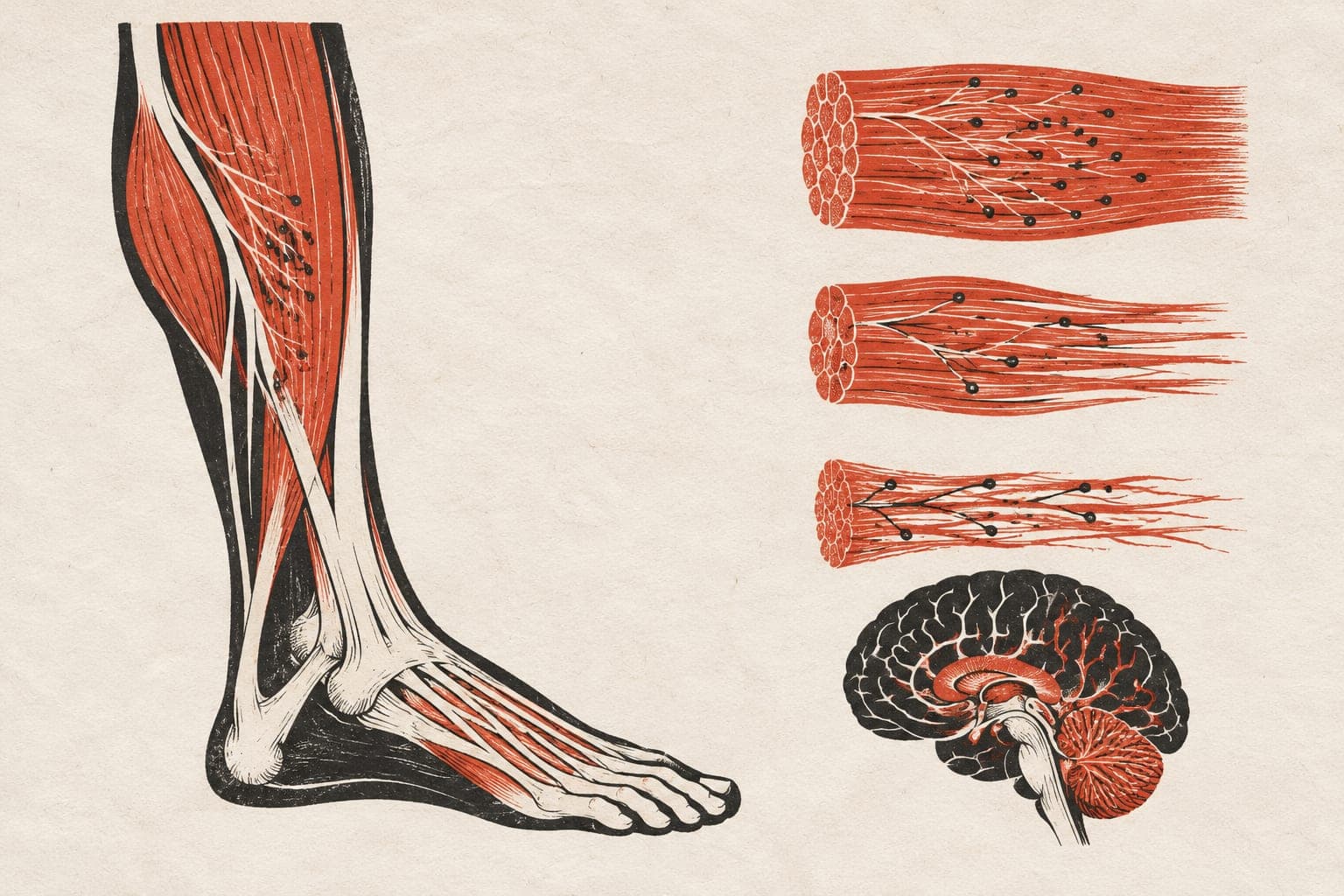
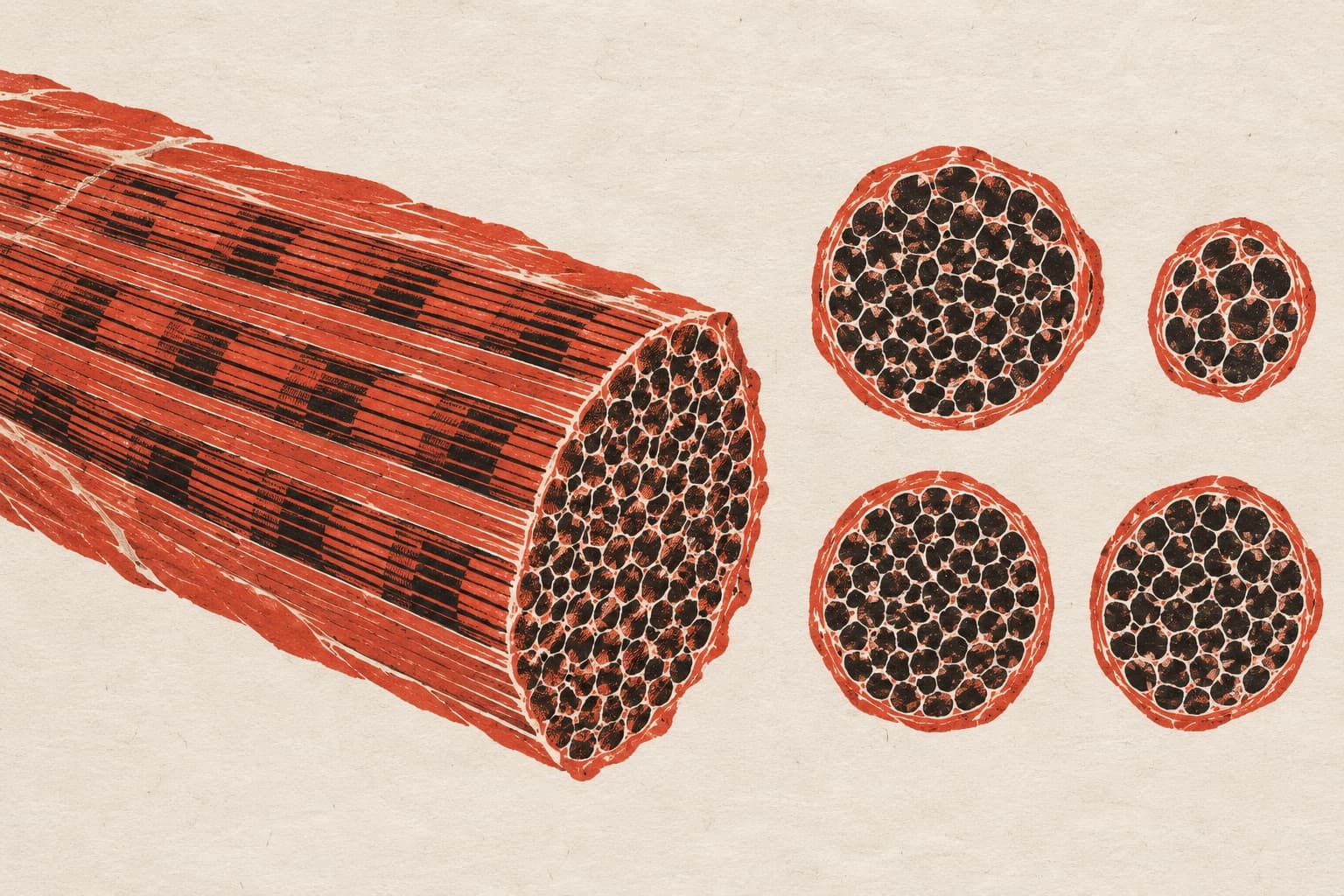
Muscle-tendon unit (MTU) dynamics are involved in small body movements, including static standing. However, the effect of age-related reductions in tendon stiffness on static standing stability remains unclear. In this study, Achilles tendon stiffness was assessed in young and older adults, and muscle fascicle length and tendon length were measured during static standing with eyes open (EO) and eyes closed (EC) using ultrasonography. To isolate muscle-controlled activity, we analyzed intervals around the peak center of pressure (COP) velocity points. Fascicle length change (ΔLfas) and tendon length change (ΔLTS) during these intervals were calculated, compared by age group, and examined for their relationship to COP sway. COP was decomposed into rambling and trembling components, representing supraspinal and spinal-peripheral control processes, respectively. Results showed significantly reduced Achilles tendon stiffness and increased COP velocity and trembling in older adults (P = 0.02, P < 0.001, and P < 0.001, respectively). Both age groups demonstrated fascicle shortening and tendon lengthening around peak COP velocity points, but changes were more pronounced in older adults, showing greater fascicle shortening and tendon elongation (age effect: P = 0.012 and P = 0.031, respectively). ΔLfas amplitude positively correlated with COP velocity (EO: young r = 0.39, older r = 0.55; EC: young r = 0.71, older r = 0.44, all P < 0.05) and trembling velocity (EO: young r = 0.49, older r = 0.56; EC: young r = 0.82, older r = 0.45, all P < 0.001). These parameters, known to increase with age, are linked to cocontraction. This study demonstrates that excessive fascicle shortening, resulting from reduced tendon stiffness, contributes to increased postural sway in older adults.NEW & NOTEWORTHY We investigated muscle-tendon dynamics during static standing in older adults. In individuals with reduced tendon stiffness, muscle fascicles operated in a shortened state, which correlated with previously reported indicators of postural instability. Age-related postural sway is commonly attributed to sensory decline and muscle cocontraction. However, this study is the first to highlight the contributing role of tendon stiffness.
The paper
Saitama Prefectural University
Journal of Applied Physiology, 23 Sep 2025