Mechanisms of SIRT3 Regulation of Aging and Aging-Related Diseases and Advances in Drug Therapy
Abstract
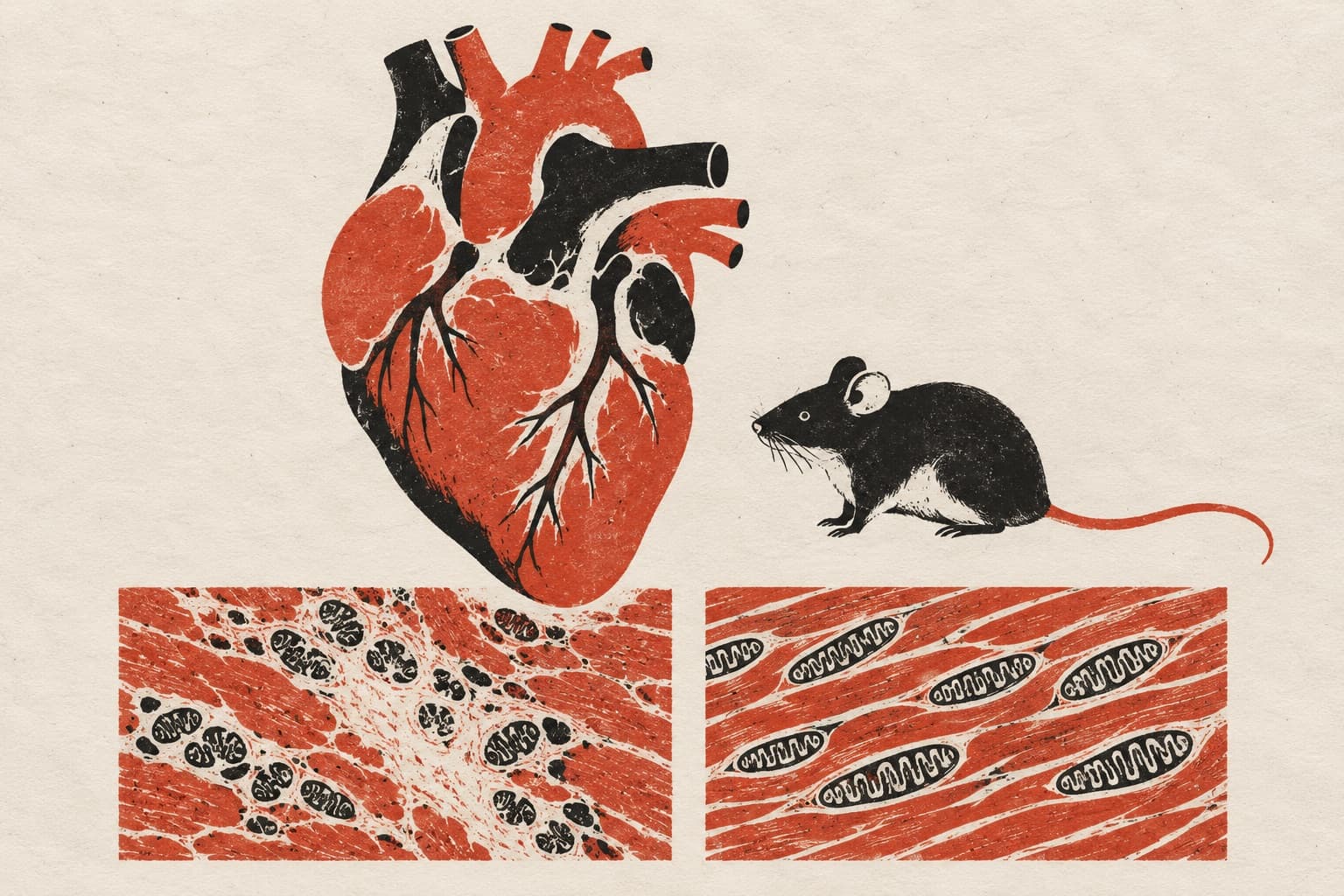
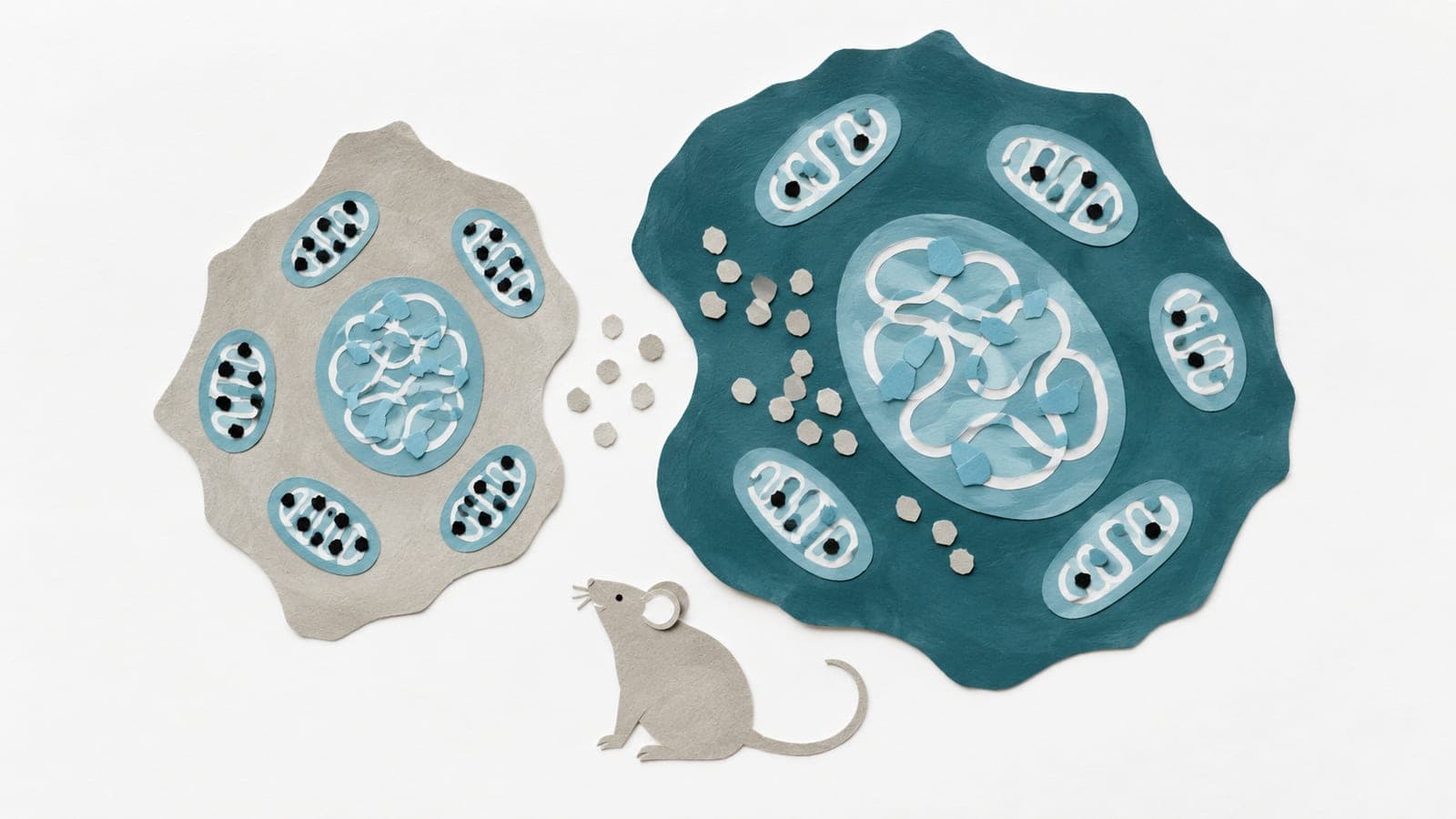
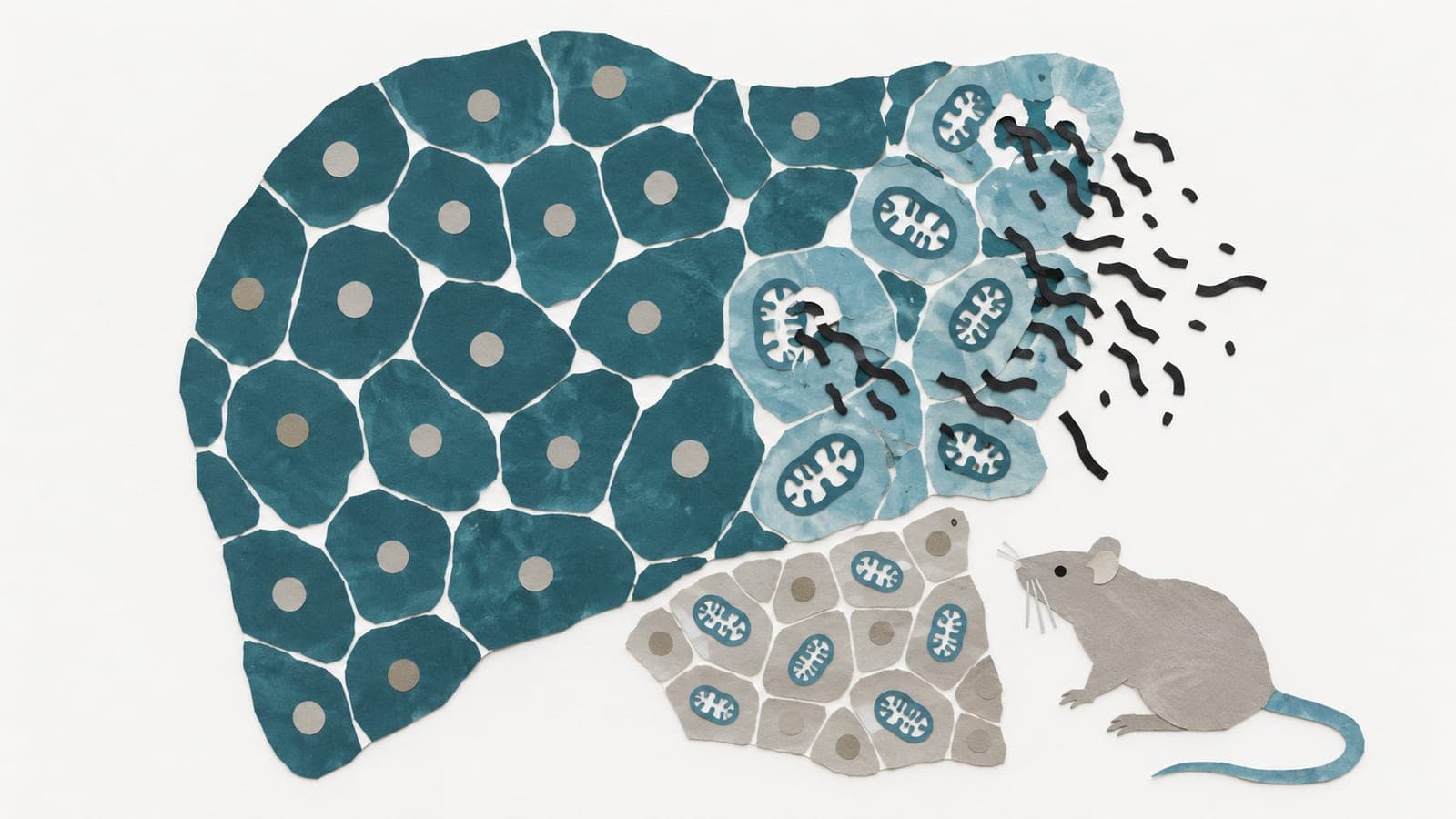
BACKGROUND: Sirtuin 3 (SIRT3), a NAD+-dependent deacetylase localized in the mitochondrial matrix, has emerged as a central regulator of aging and age-related pathologies. SUMMARY: This review synthesizes evidence demonstrating SIRT3's tripartite anti-senescence mechanisms: (1) enhancement of mitophagy via p53 deacetylation-mediated mitochondrial quality control, (2) reinforcement of antioxidant defenses through SOD2/IDH2 activation, and (3) optimization of metabolic homeostasis by coordinating fatty acid β-oxidation and glucose metabolism. In neurodegenerative models, SIRT3 ameliorates proteotoxic stress by promoting ketogenesis and reducing amyloid-β/tau pathology. SIRT3 mediates cardiovascular protection through dual modulation of fibrotic signaling cascades and nitric oxide biosynthesis. Paradoxically, SIRT3 exhibits context-dependent roles in oncology, suppressing tumor metabolism via HIF1α destabilization while potentially enabling chemoresistance through ferroptosis regulation. Within metabolic disorders, SIRT3 preserves β-cell function by neutralizing oxidative stress and SASP-driven inflammation, significantly delaying diabetes progression. Current therapeutic strategies leverage SIRT3's pleiotropic functions through natural compounds: gastrodin (mitochondrial membrane stabilization), cocoa polyphenols (FOXO3-mediated antioxidant enhancement), and baicalein (anti-fibrotic signaling blockade). KEY MESSAGES: These advances position SIRT3 as a critical interface between mitochondrial energetics and systemic aging, offering a unified framework for developing precision gerotherapeutics.