Short-term practice effects on measures of cognition and daily functioning in older adults
Abstract
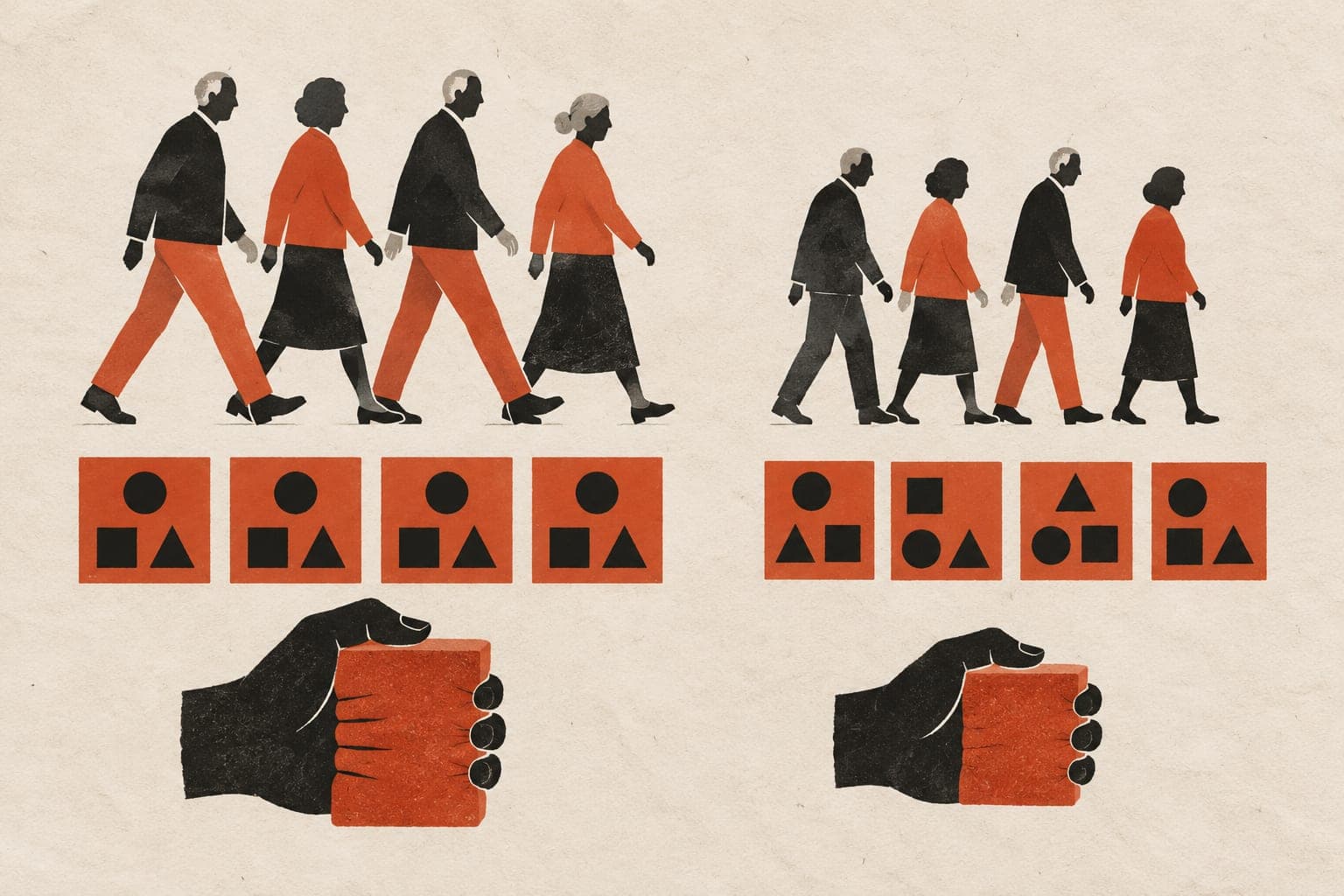
Objective: Practice effects on neuropsychological tests have been widely documented. However, little is known about whether improvements occur when measures of daily functioning are repeated. Therefore, the current study examined short-term practice effects on both neuropsychological and functional measures. Method: One hundred ninety-four older adults, 86% of whom were cognitively unimpaired and 14% of whom were cognitively impaired, completed a battery of neuropsychological and functional (both rating scales and performance-based measures) assessments during a baseline visit (Time 1) and again approximately one week later (Time 2). Repeated measures ANCOVAs evaluated for changes from Time 1 to Time 2 on both sets of tests. Results: Statistically significant improvements were observed across one week on the neuropsychological test scores (p<.001), especially on the memory tests. Additionally, significant improvements were observed on the functional test scores (p<.001) from Time 1 to Time 2, especially on the performance-based measures. Interactions between group (unimpaired vs. impaired) and time were observed on the neuropsychological scores, but not the functional scores. However, these interaction analyses were limited by a small number of impaired participants. Conclusions: Consistent with our hypothesis, short-term practice effects were observed on both neuropsychological and functional measures; however, they tended to be larger on the neuropsychological measures. While further research is required, short-term stability/changes in cognitive and functional measures may predict long-term stability/changes in those measures, with the absence of practice effects potentially serving as an indicator of the development of dementia.
The paper
Oregon Health & Science University; Washington State University
The Clinical Neuropsychologist, 22 Aug 2025