Inequalities in the association Between lifestyles and disability: prospective cohort studies in South Korea and China
Abstract
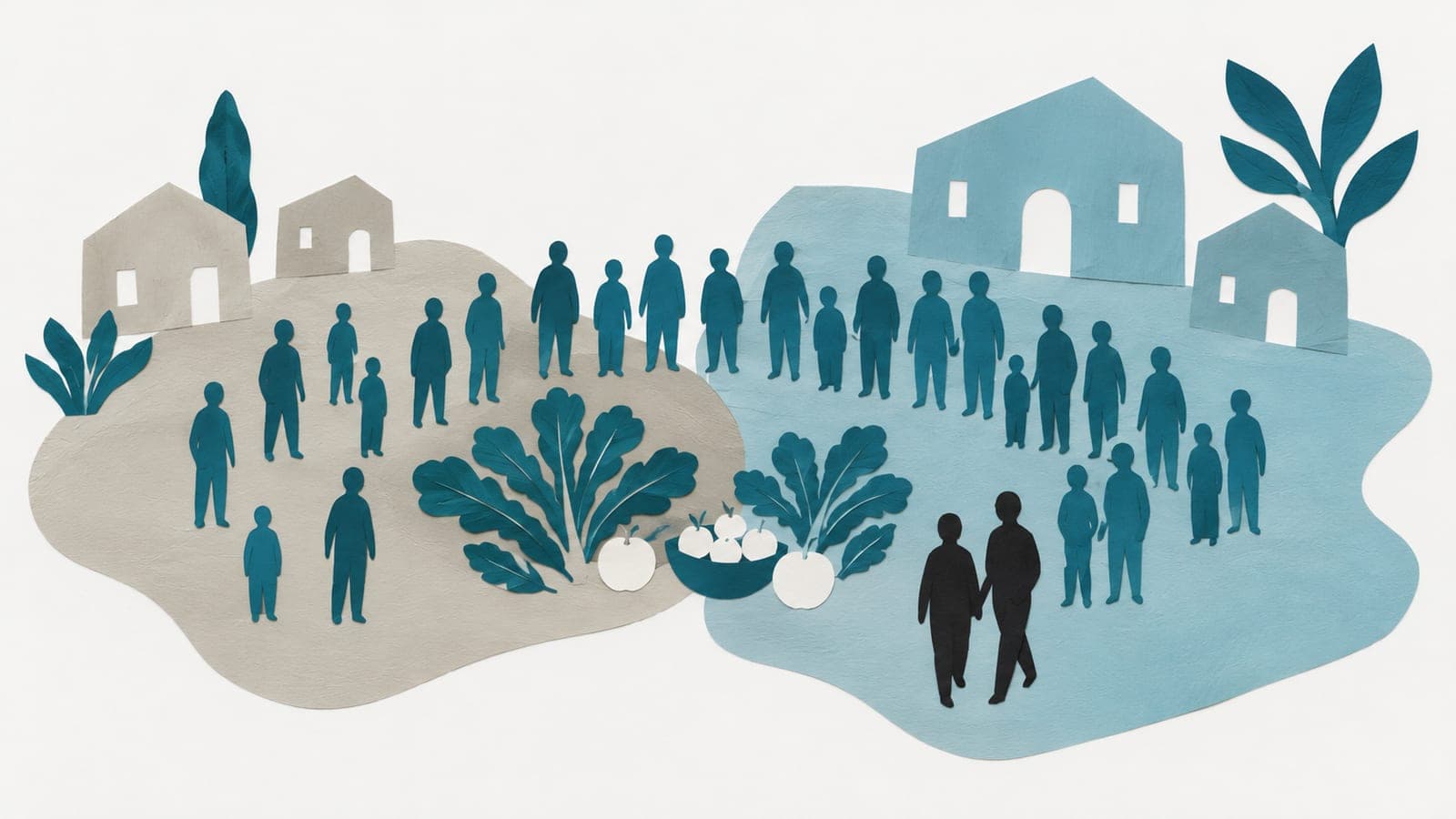
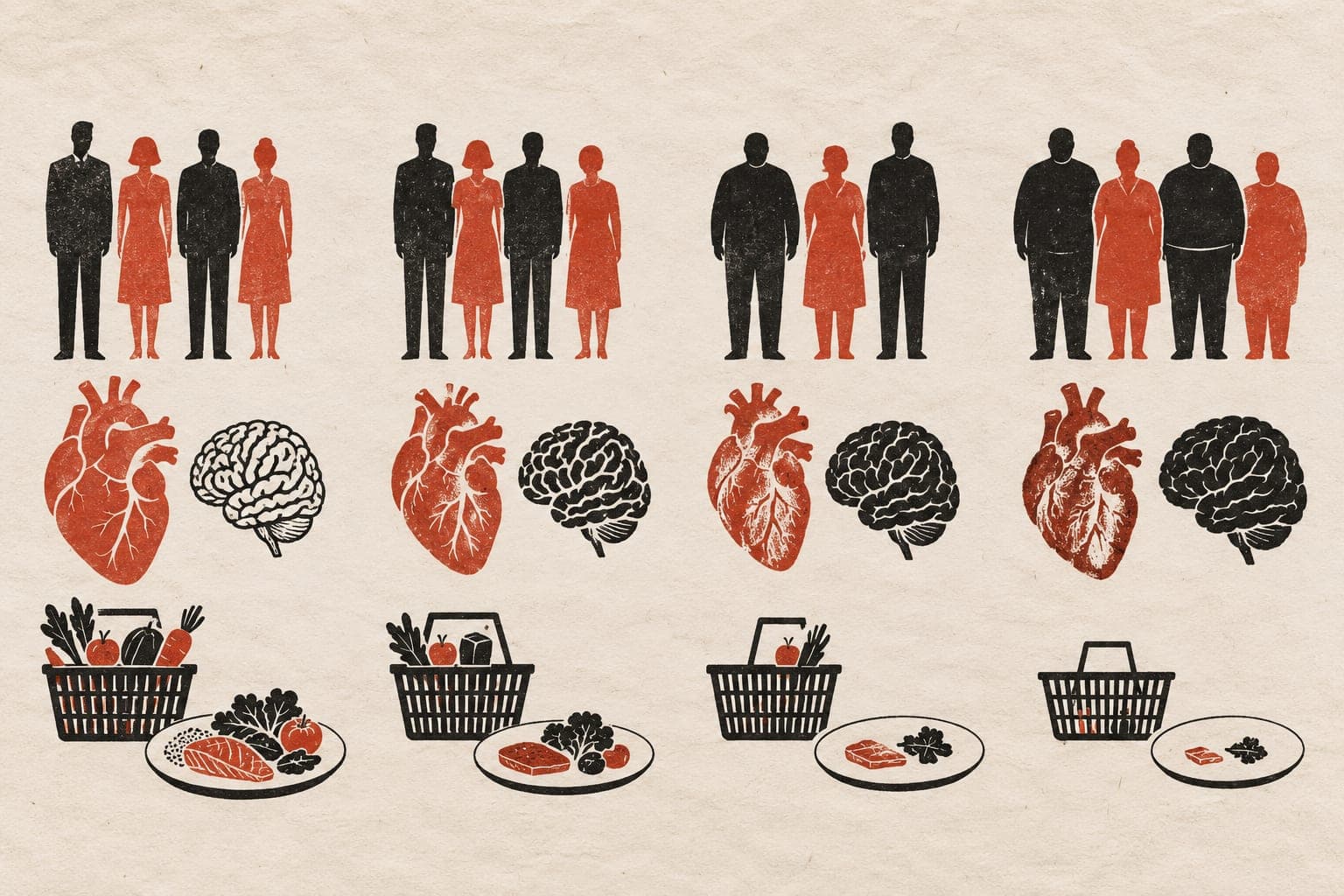
Drawing on data from the Korean Longitudinal Study of Aging (N=3,252) and the Chinese Longitudinal Healthy Longevity Survey (N=8,281) from 2008 to 2018, this study employed fixed-effects panel data regressions to examine the differential association between healthy lifestyles and disability across education, income, and place of residence. Our results indicate that adopting one more healthy lifestyle was associated with a 0.1-0.2 point lower disability score among older adults in South Korea (β=-0.14, 95% CI: -0.19 to -0.09) and China (β=-0.24, 95% CI: -0.28 to -0.21). Specifically, this association was more pronounced among older adults with higher income, lower education, and urban residents, with a significant difference based on the Chow test (p < 0.05). Clinical and public health policies could pay attention to reducing the socioeconomic disparities highlighted in this study through tailored interventions. Our findings suggest that promoting healthy lifestyles among less-educated individuals might yield significant benefits against disability. They underscore the potential of promoting healthy lifestyles to mitigate education-related inequalities in disability within aging societies. We recommend that policymakers consider simultaneously emphasizing the enhancement of health literacy to delay disability onset among vulnerable groups and prevent the risk of low-income households slipping back into poverty.
The paper
King's College London; Huazhong University of Science and Technology
American Journal of Epidemiology, 21 Aug 2025