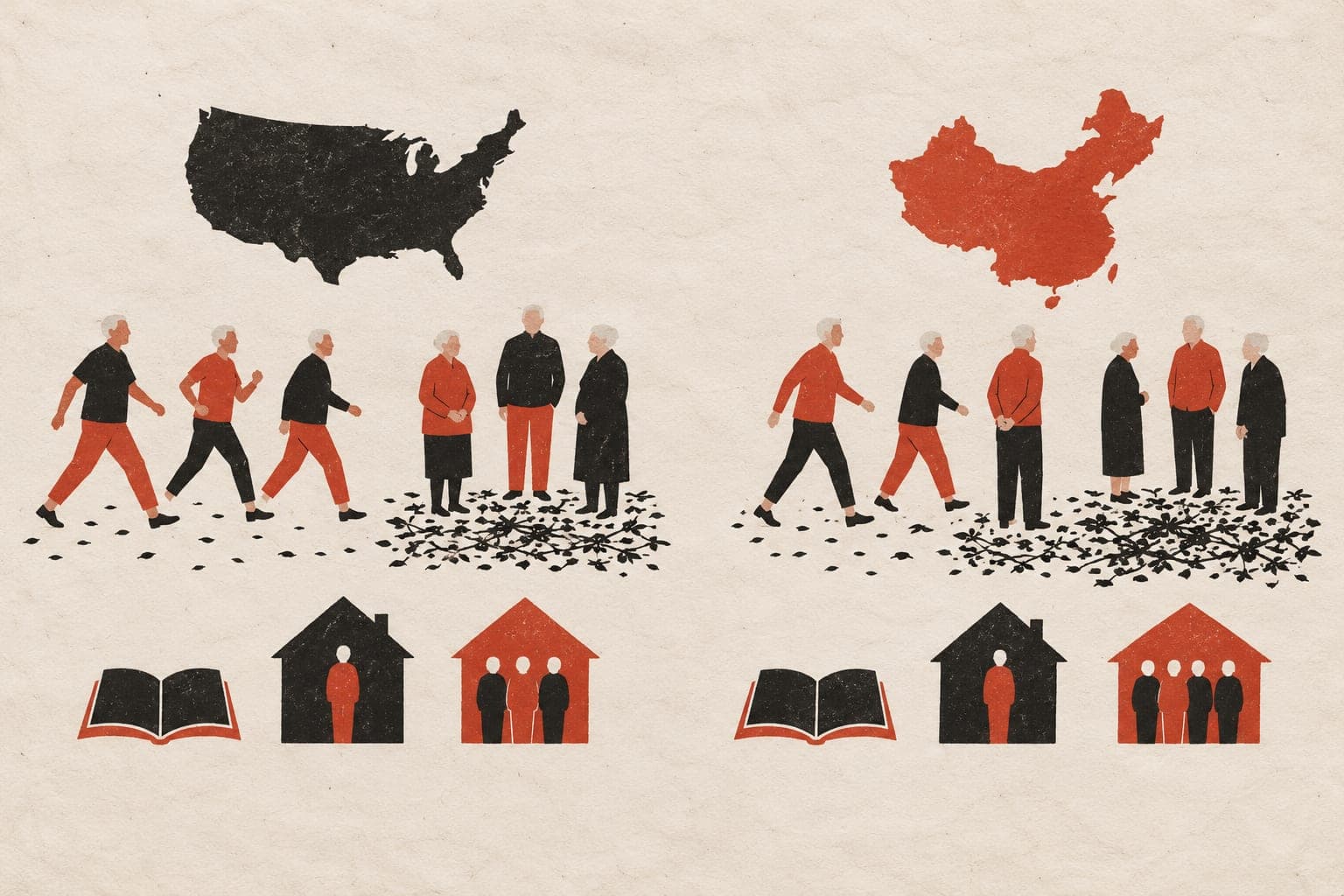
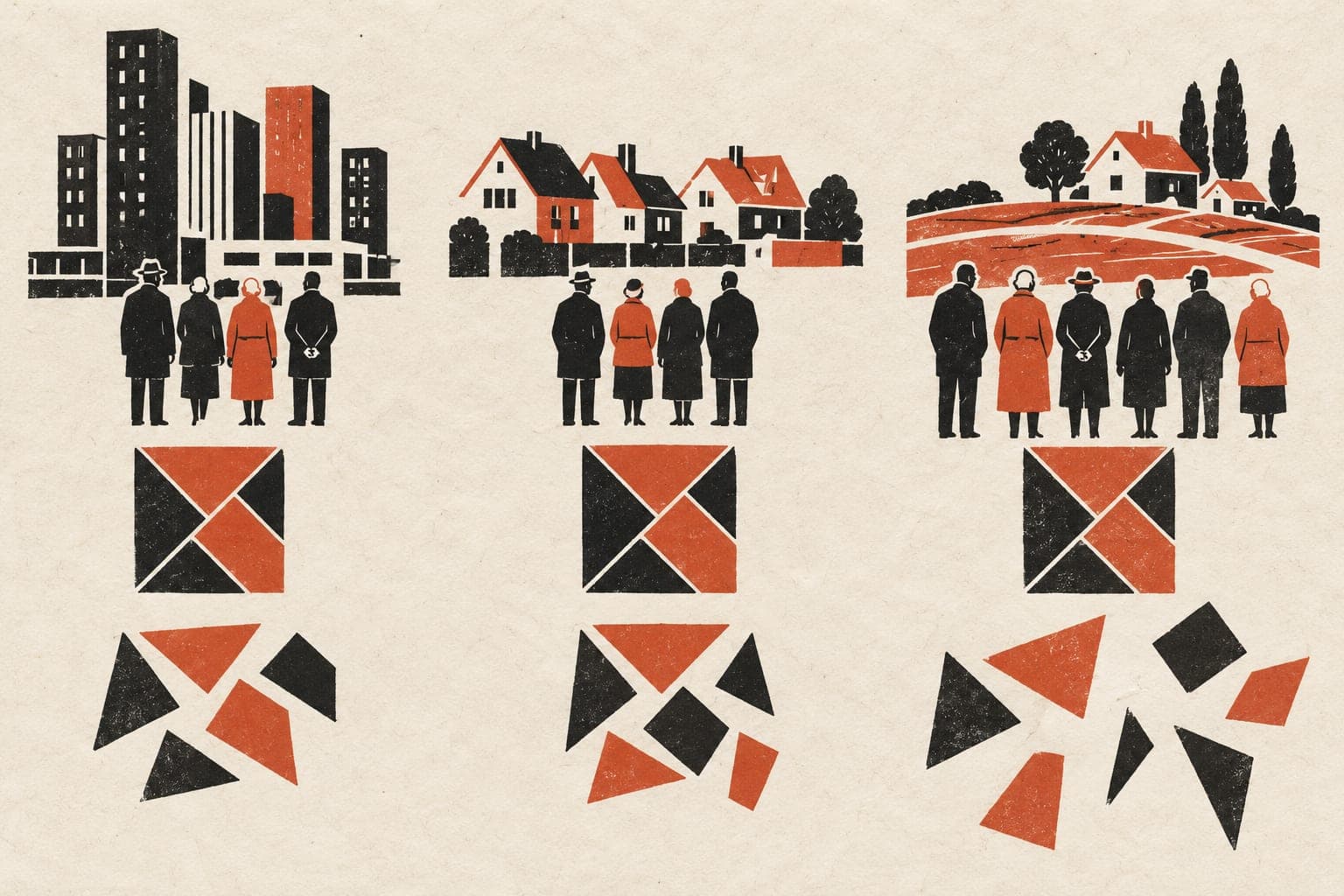
Age moderates the social participation-mental health association differently in urban and rural areas
Abstract
OBJECTIVES: Recent studies suggest that the association between social participation (SP) and mental health may change with age, although the direction of this relationship is unclear. Although some suggest that the mental health benefits of SP decline with age, others argue they become more important in later life. In this article, we suggest a context-dependent divergence in aging trajectories: whereas urban older adults continue to gain mental health benefits from SP, their rural counterparts gradually stop deriving such benefits over time. METHODS: We drew on four waves of the China Health and Retirement Longitudinal Study (2011-2018; N = 16,233; 53,056 person-years) to examine how SP shapes depressive symptoms among adults aged 45 and older. Growth curve models were employed to assess the age-related trajectories of the effects of SP on depressive symptoms, and interaction terms were introduced to analyze urban-rural differences. RESULTS: A significant three-way interaction (Informal Social Participation × Rural × Age) revealed that the mental health benefits of informal SP increased with age among urban older adults but gradually declined among their rural counterparts. This divergence became statistically significant at around age 60 and continued to widen thereafter, indicating a growing urban advantage in the protective effects of informal engagement over time. DISCUSSION: These findings suggest that the mental health benefits of SP change with age in ways shaped by residential context, highlighting the need to consider how urban and rural environments differently influence aging trajectories.
The paper
Nanyang Technological University
The Journals of Gerontology, Series B, 12 Aug 2025