Tie2-mediated CBL ubiquitination of EGFR underlies ultrasound-responsive silk fibroin/graphene oxide hydrogel-troxerutin therapy for intervertebral disc degeneration
Abstract
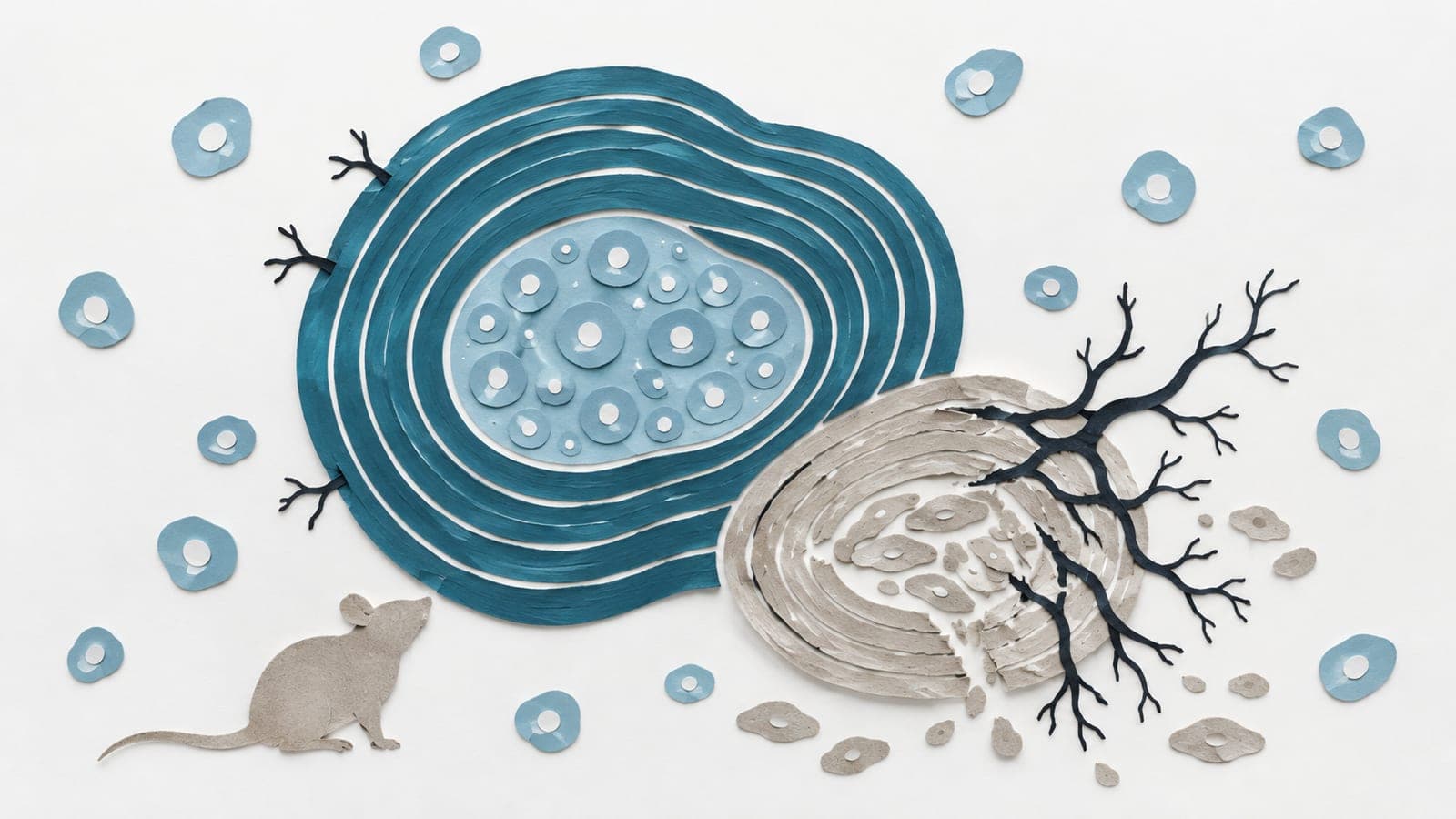
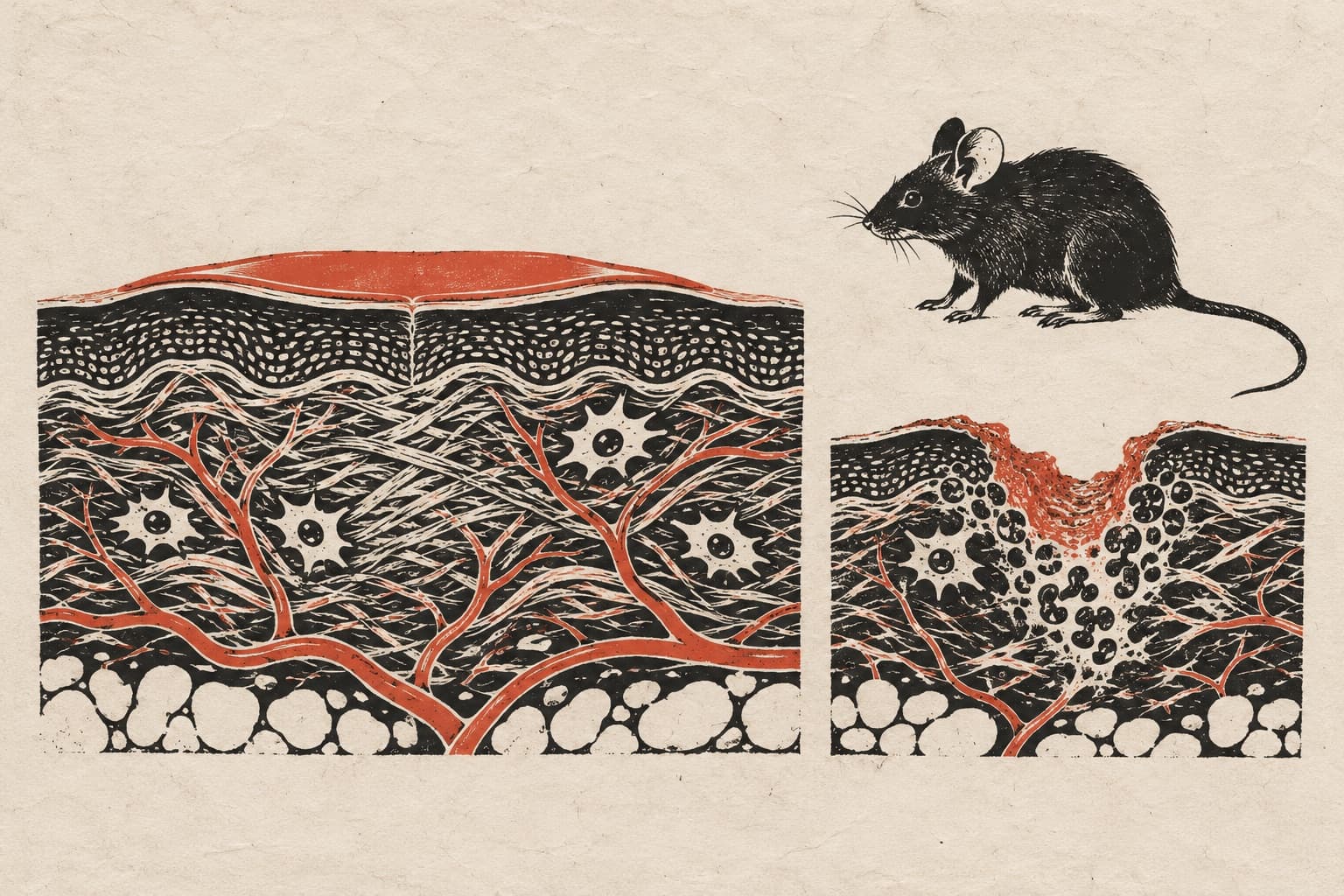
An ultrasound-responsive silk fibroin (SF)-graphene oxide (GO)-based hydrogel (SF/GO-gel) was created in this study to facilitate the sustained delivery of troxerutin (Trox) in order to alleviate intervertebral disc degeneration (IDD). The SF/GO-gel@Trox system exhibited exceptional biocompatibility, mechanical robustness, and controlled drug release. In vivo, X-ray and MRI demonstrated that SF/GO-gel@Trox substantially preserved disc height index and hydration in comparison to IDD. Histology also confirmed the preservation of extracellular matrix expression. In a mechanistic manner, SF/GO-gel@Trox activated tyrosine-protein kinase receptor (Tie2), which subsequently promoted Casitas B-lineage Lymphoma (CBL)-mediated K48-linked ubiquitination and degradation of epidermal growth factor receptor (EGFR). Consequently, NF-κB-driven inflammation and senescence were suppressed. The protective effects of SF/GO-gel@Trox were demonstrated by transcriptomics and functional assays to be underpinned by Tie2/PI3K-Akt signaling, whereas degeneration was exacerbated by Tie2 knockdown. It is important to note that SF/GO-gel@Trox stabilized phosphorylated Tie2 (Y992), which in turn improved the interaction between CBL and EGFR, thereby accelerating the turnover of EGFR. In a rat IDD model, Tie2 overexpression was able to mitigate disc structural damage through hydrogel delivery, whereas concurrent EGFR expression reversed these benefits. The SF/GO-gel platform facilitated the localized, ultrasound-triggered release of Trox, providing a novel approach to IDD therapy that targets the Tie2/EGFR axis. These results emphasize the potential of SF/GO-gel@Trox as a multifunctional system that can effectively combat IDD by utilizing coordinated anti-inflammatory, pro-anabolic, and anti-catabolic mechanisms.