Mitochondrial dysfunction-mediated hepatocyte senescence is involved in cholestatic liver injury
Abstract
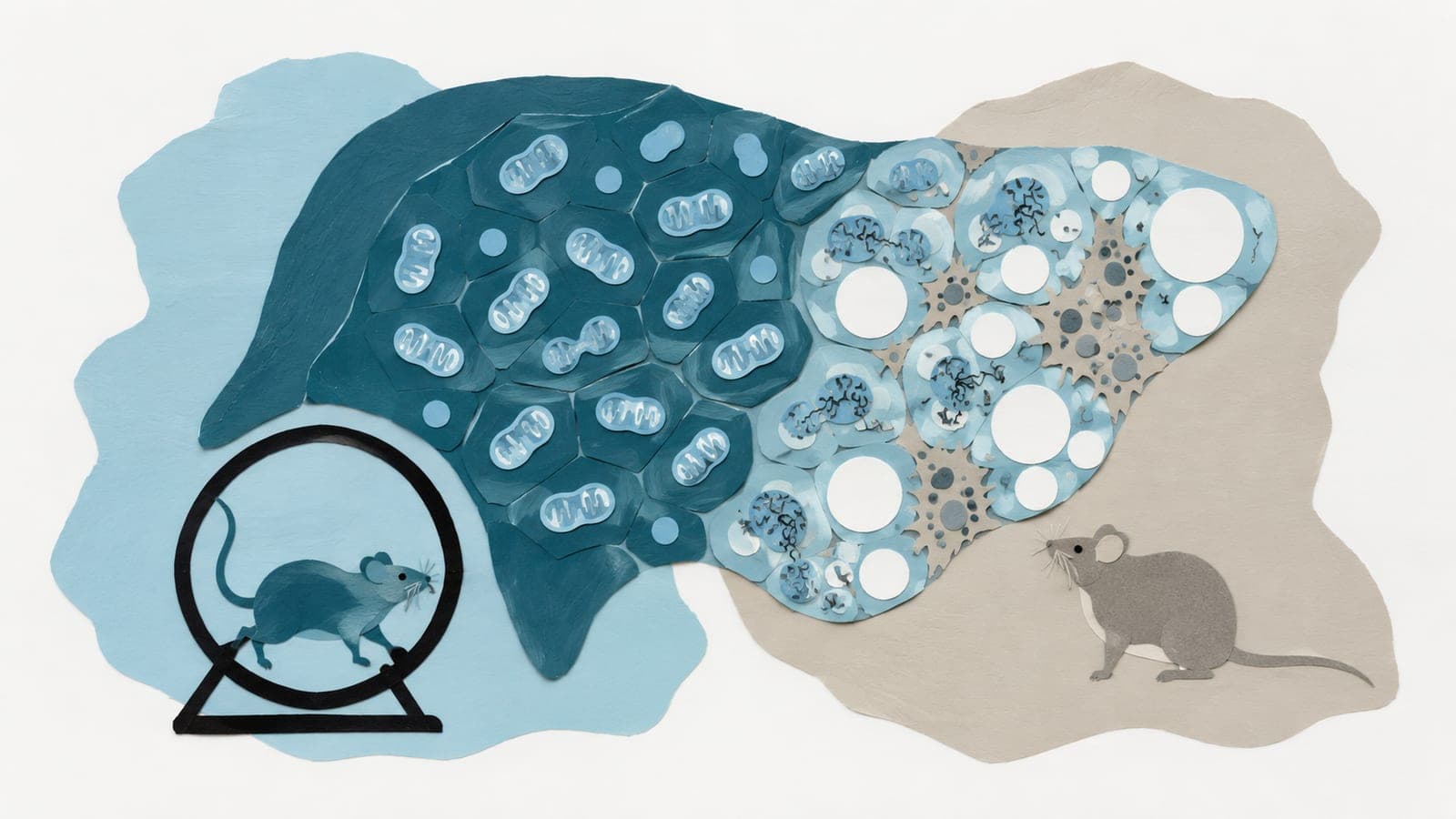
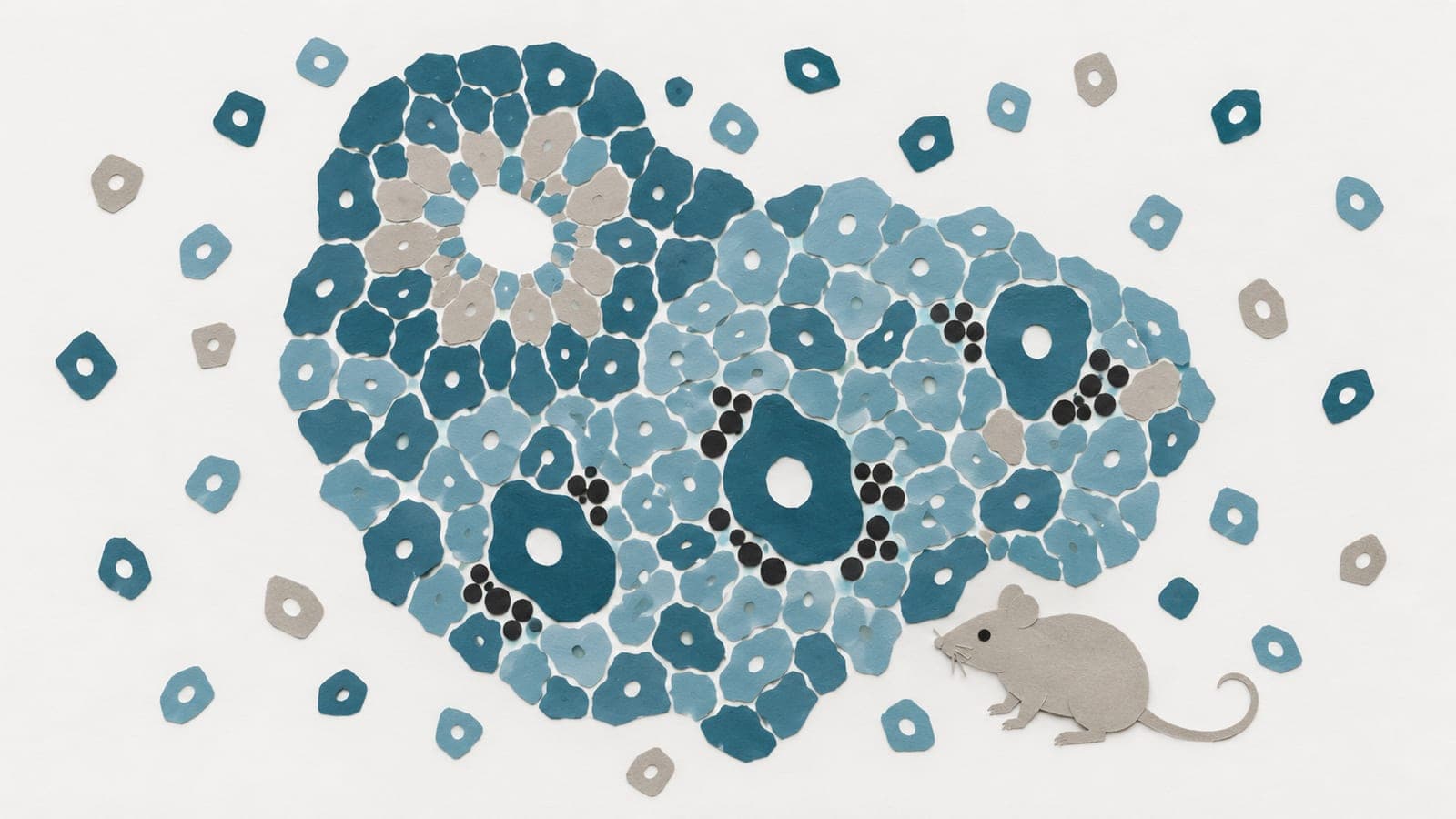
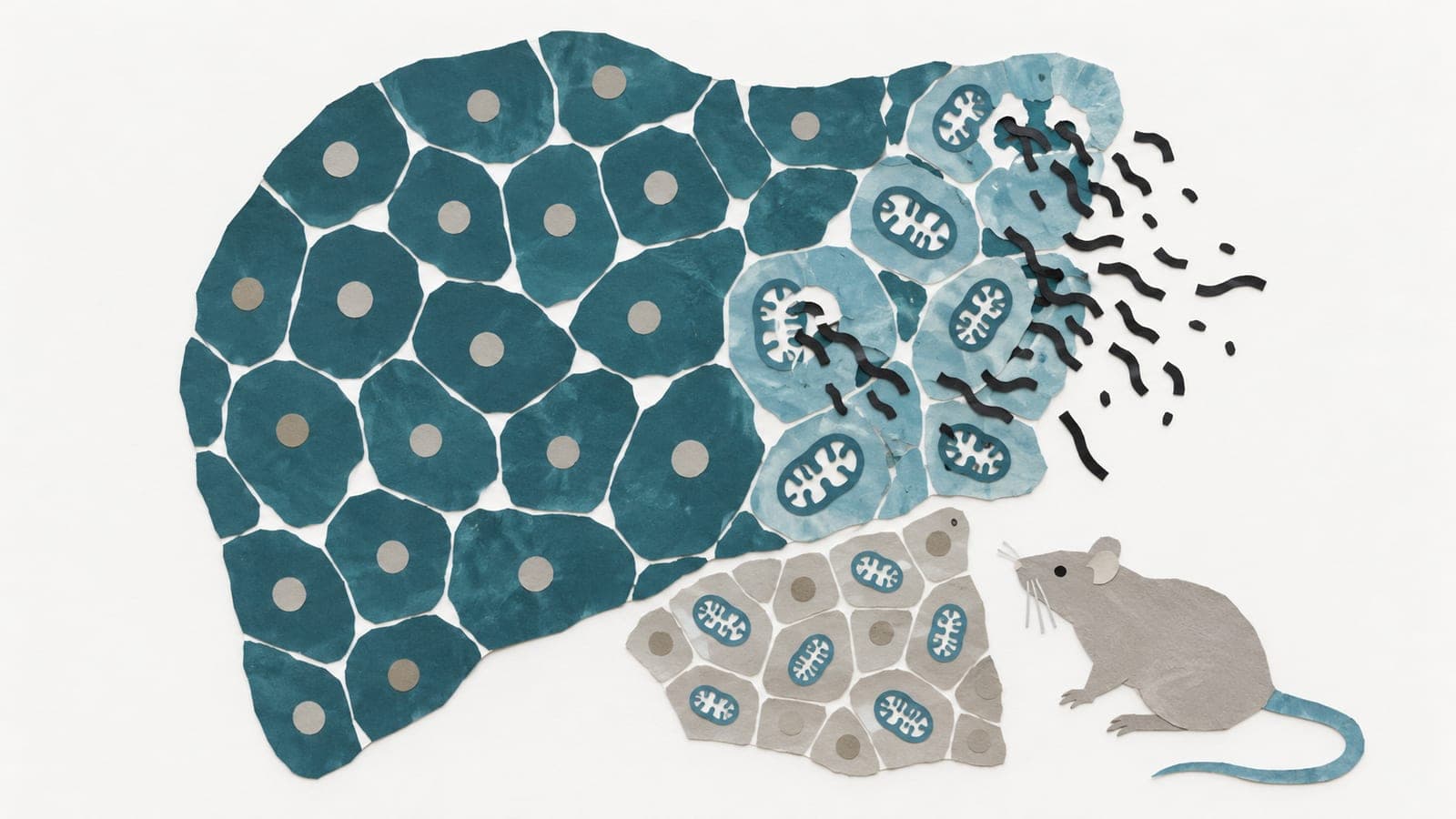
Cholestatic liver injury is caused by cholestasis, which is accompanied by hepatic cell dysfunction. Cellular senescence refers to a permanent arrest of cell division and a decline in metabolic activity, without a clear role in the process of cholestatic liver injury. Here, in the liver tissue of patients with cholestatic liver diseases, we found an increased proportion of hepatic cells with senescence marker P21 expression in Fibrosis stage 4 (F4) patients when compared with F1/2 patients. We also observed the colocalization of P21 with hepatocyte marker HNF4α in patients as well as in bile duct ligation (BDL)-induced cholestatic mice model. In vitro experiments also confirmed the senescence-induction effect of a classical toxic bile salt-Glycochenodeoxycholic acid (GCDCA) on AML12 cells. Importantly, the elimination of senescent hepatocytes by a new senolytic DpC improves liver function, alleviating inflammation and fibrotic changes in BDL mice. Then transcriptional analysis and target metabolomics analysis showed, in cholestatic liver injury, senescent hepatocytes were associated with SIRT3 downregulation and mitochondrial dysfunction. Subsequent experiments in vitro showed that silent SIRT3 expression aggravated GCDCA-induced AML12 cells mitochondrial dysfunction and senescence, while SIRT3 overexpression partially alleviated these changes. Furthermore, SIRT3 overexpression in hepatocytes successfully attenuates mitochondrial dysfunction and hepatocyte senescence, accompanied by the alleviation of hepatic inflammation and extracellular matrix deposition in BDL mice. These results suggest that mitochondrial dysfunction-mediated hepatocyte senescence is involved in cholestatic liver injury.
The paper
Anhui Medical University
Free Radical Biology & Medicine, 6 Aug 2025