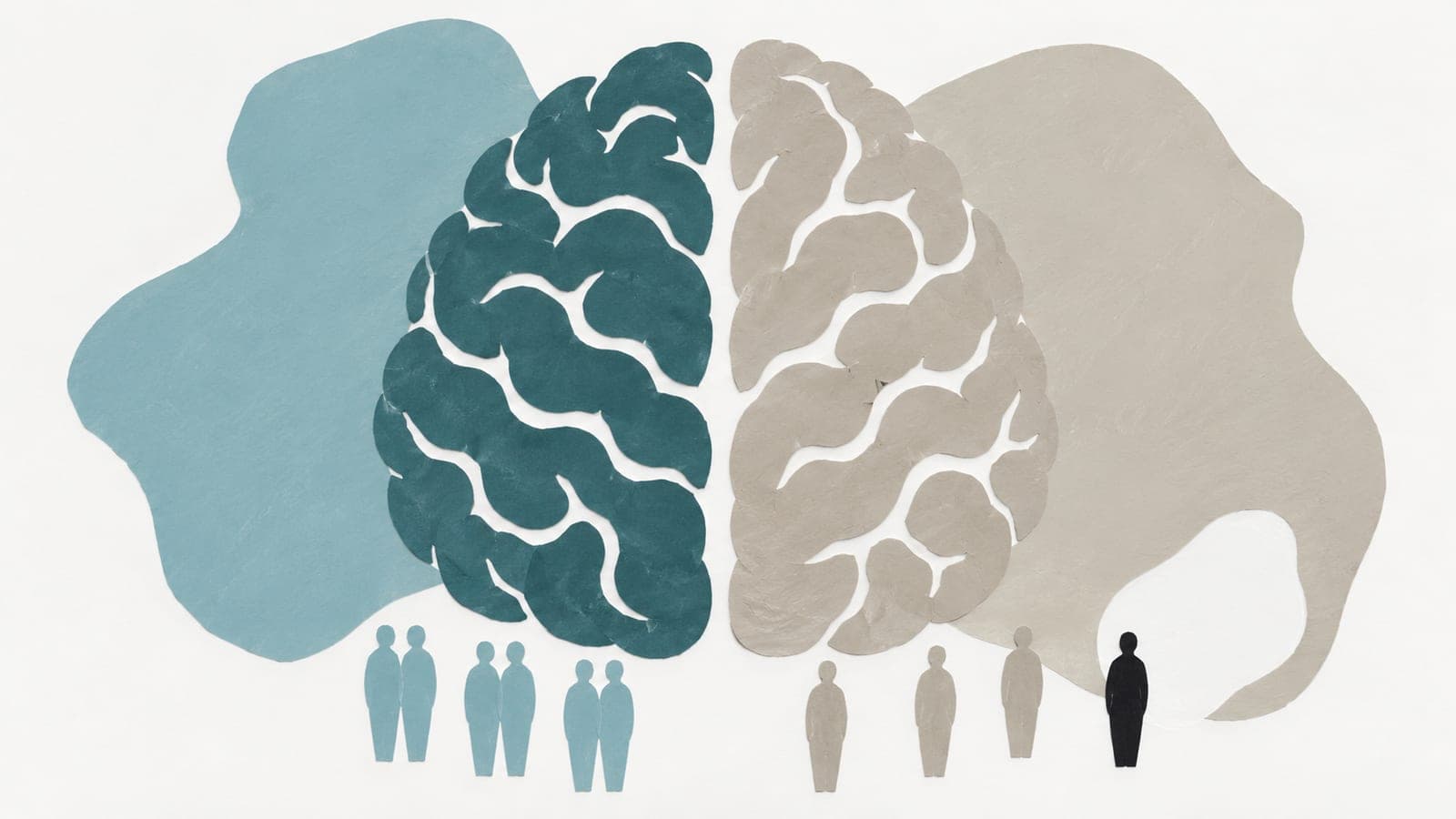
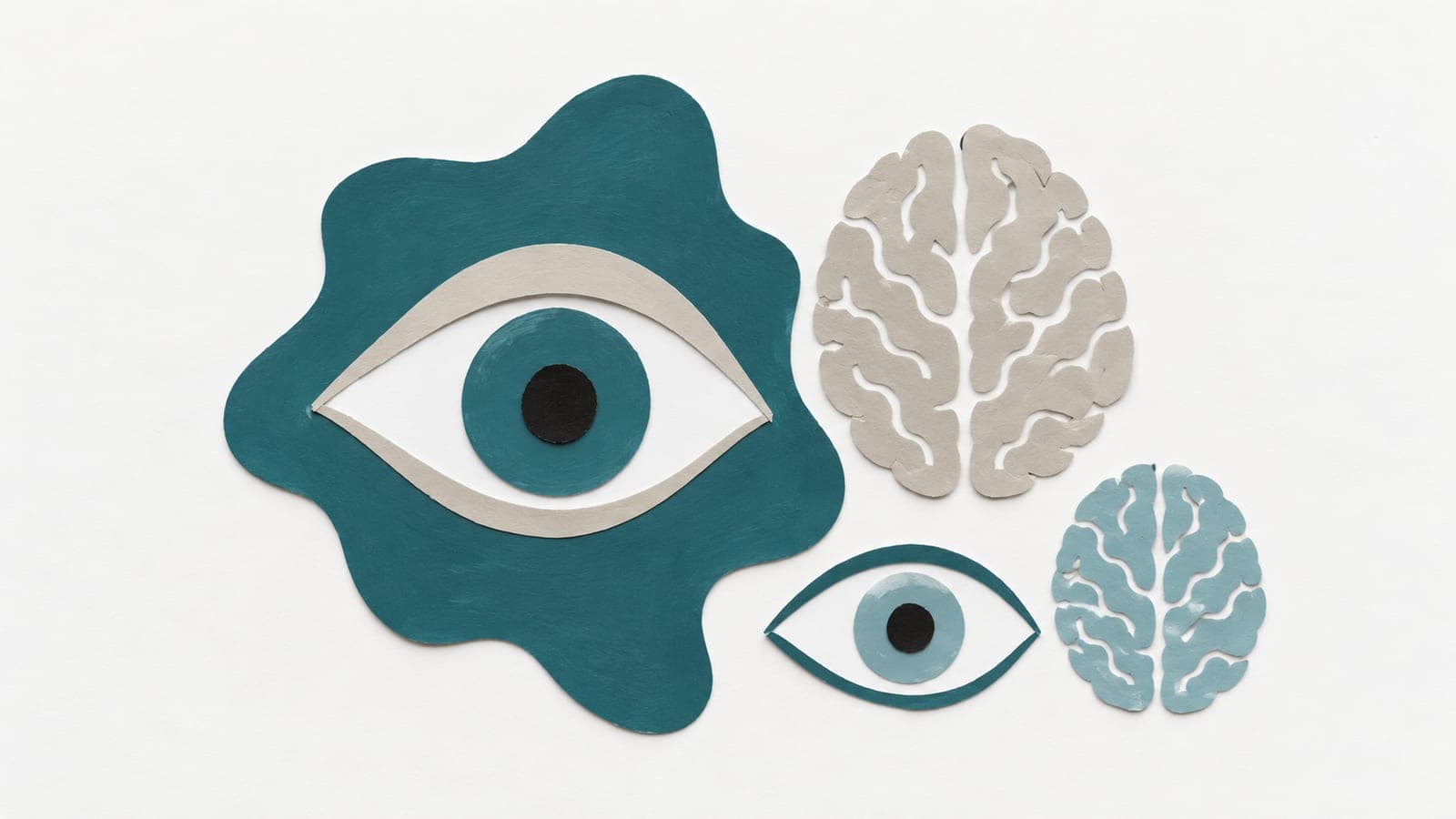
Dual sensory loss and cognitive performance among older adults in India
Abstract
BackgroundHearing loss (HL) and vision loss (VL) occur frequently among older adults and are independent risk factors for dementia, including in low- and middle-income countries (LMICs), where incident dementia is common. There is little research on the prevalence of dual sensory loss (DSL) and its association with cognitive health in LMICs.ObjectiveThis study investigates cross-sectional associations between DSL and cognitive performance among older adults in India.MethodsData (3,201) was analyzed from Wave I (2017-18) of the Longitudinal Aging Study in India (LASI) and Waves I (2017-2019) and II (2022-2024) of the Harmonized Diagnostic Assessment of Dementia for LASI (LASI-DAD). Better-ear hearing thresholds and better-eye distance visual acuity were used to create four categories: no sensory loss, HL only, VL only, and DSL. Global and cognitive domain factor scores were derived by factor analysis from the harmonized cognitive assessment protocol. Associations were assessed using multivariable linear regression models.ResultsOn average, participants were 69.7 years (±6.6) old and 50% were female. Forty percent had HL only (1,295), 8% had VL only (282), and 38% had DSL (1,217). Compared to those with no sensory loss, HL only and VL only scored 0.08 (95% CI: 0.02-0.17) and 0.10 (95% CI: 0.03-0.16) units lower in global cognition; those with DSL scored 0.18 (95% CI: 0.11-0.25) units lower. Similar patterns were observed across cognitive domains.ConclusionsGiven the association of DSL with cognitive function found, future research is needed to further characterize this association, test mechanistic pathways, and investigate possible causal effects.
The paper
Johns Hopkins University; University of Michigan
Journal of Alzheimer's Disease, 30 Jul 2025