Targeting PD-L1 for Ischemic Stroke Recovery: Age-Dependent Modulation of Immune and BBB Pathways
Abstract
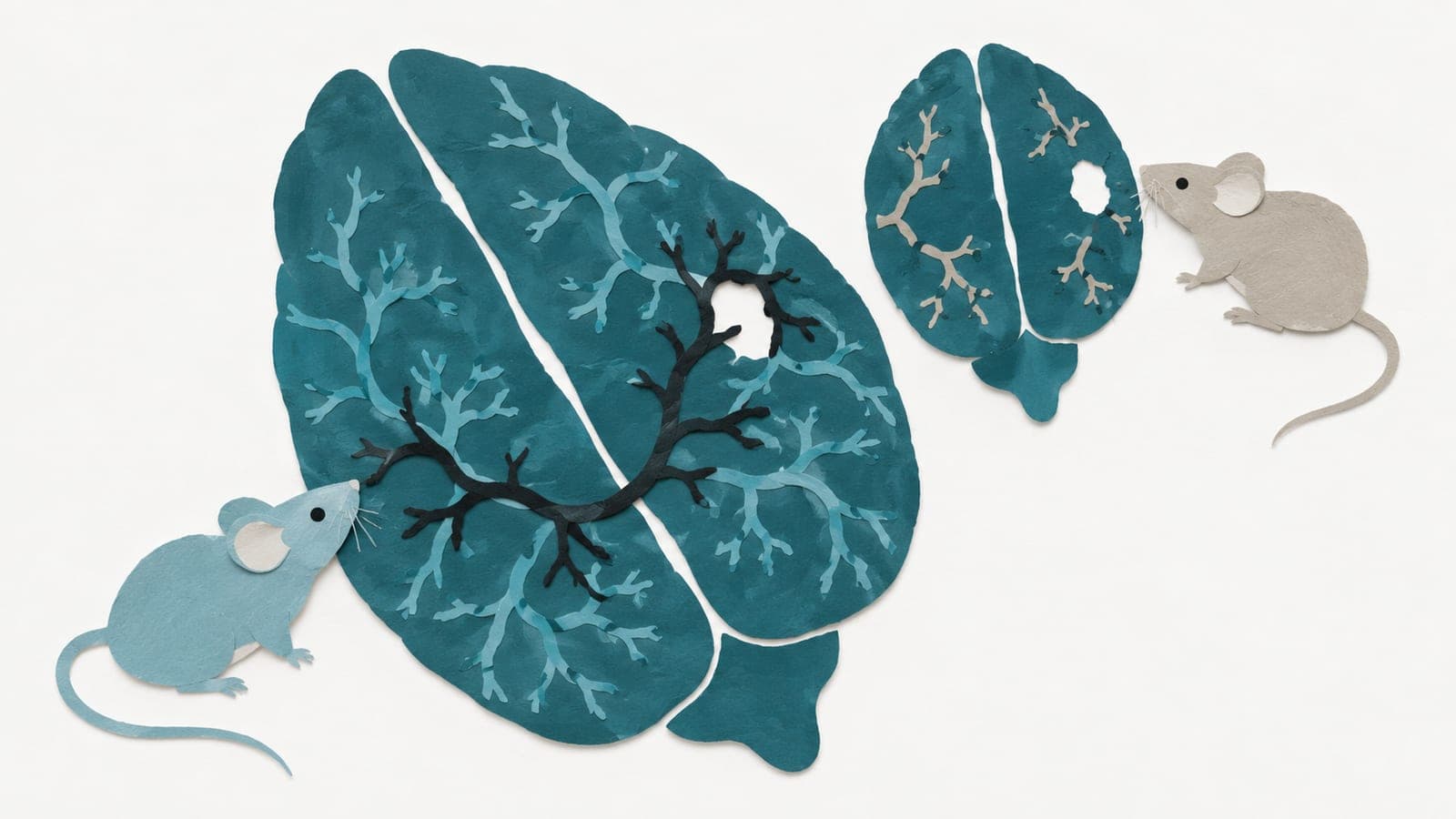
OBJECTIVE: Aging has a profound impact on the pathophysiology of ischemic stroke and the effectiveness of therapeutic interventions. This study aims to evaluate the therapeutic efficacy of programmed death-ligand 1 (PD-L1) monoclonal antibody (mAb) in modulating immune responses and neurovascular repair following ischemic stroke, with a focus on age-dependent differences. METHODS: Young and aged mice were subjected to middle cerebral artery occlusion (MCAO) followed by PD-L1 mAb treatment. RNA sequencing, immunofluorescence, and molecular analyses were employed to assess immune modulation, blood-brain barrier (BBB) integrity, and functional recovery. RESULTS: RNA sequencing revealed significant differential gene expression in ischemic brain tissues, with CD274 (PD-L1) prominently upregulated among immune checkpoint-related genes in young mice. Immunofluorescence confirmed PD-L1 expression in microglia/macrophages, with significantly higher upregulation in young mice. PD-L1 mAb treatment showed superior efficacy in young mice, significantly reducing infarct volume, enhancing neurological recovery, and preserving BBB integrity through greater upregulation of tight junction proteins such as ZO-1, Claudin-5, and Occludin compared to aged mice. It also more effectively reduced neuroinflammation, apoptosis, and pro-inflammatory cytokines (TNF-α, IL-1β), eliciting stronger spleen responses in young mice. These findings underscore the age-dependent advantages of PD-L1-targeted therapies for ischemic stroke recovery. CONCLUSIONS: PD-L1 plays a critical role in ischemic stroke recovery, with PD-L1 mAb treatment demonstrating age-dependent therapeutic efficacy by enhancing BBB integrity, reducing neuroinflammation and apoptosis, and modulating peripheral immune responses.
The paper
Capital Medical University
CNS Neuroscience & Therapeutics, 1 Jul 2025, Open access