Parvalbumin Neurons in the Basal Forebrain Projecting to the Mammillary Nucleus Ameliorate Age-Related Cognitive Decline
Abstract
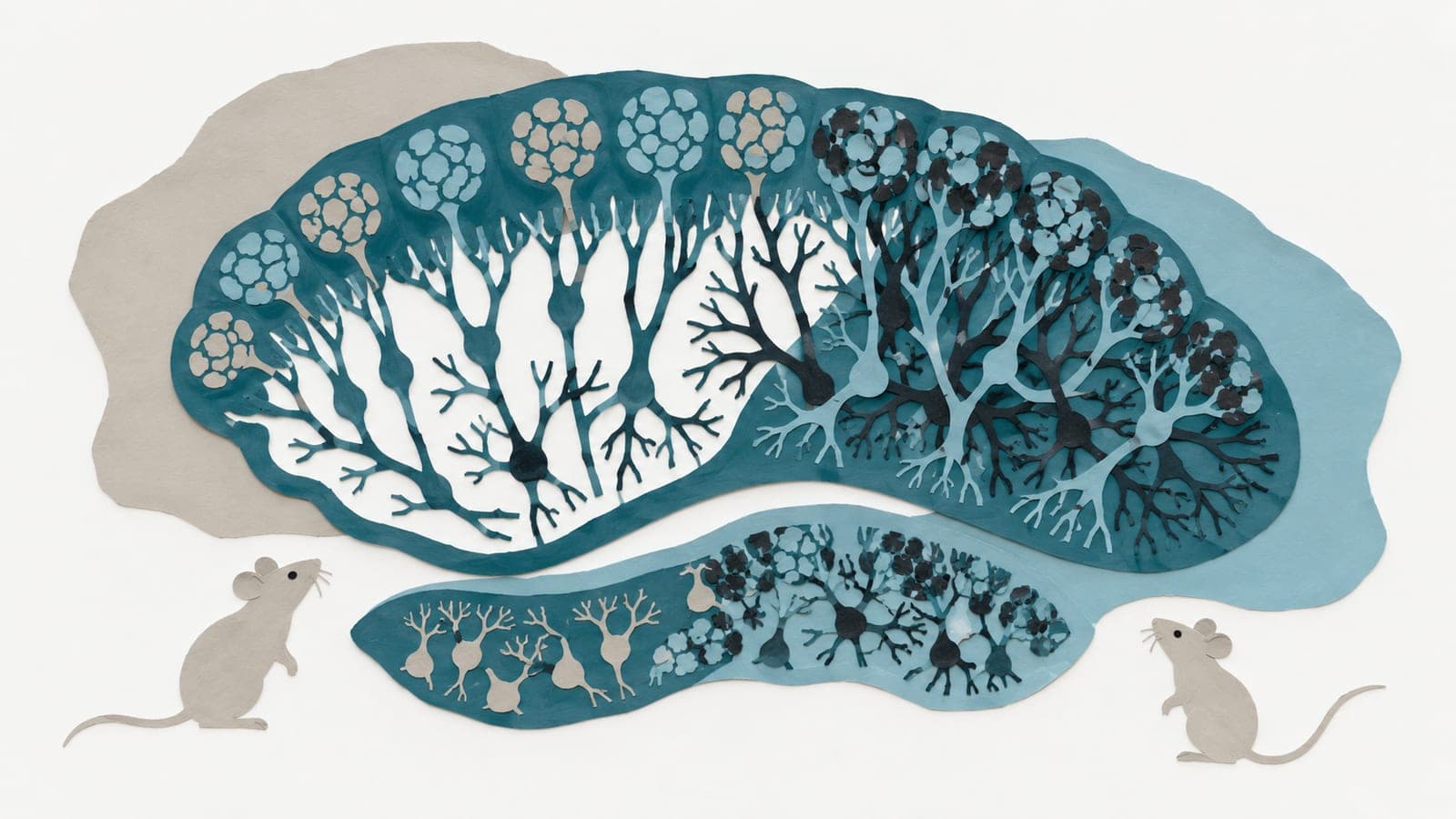
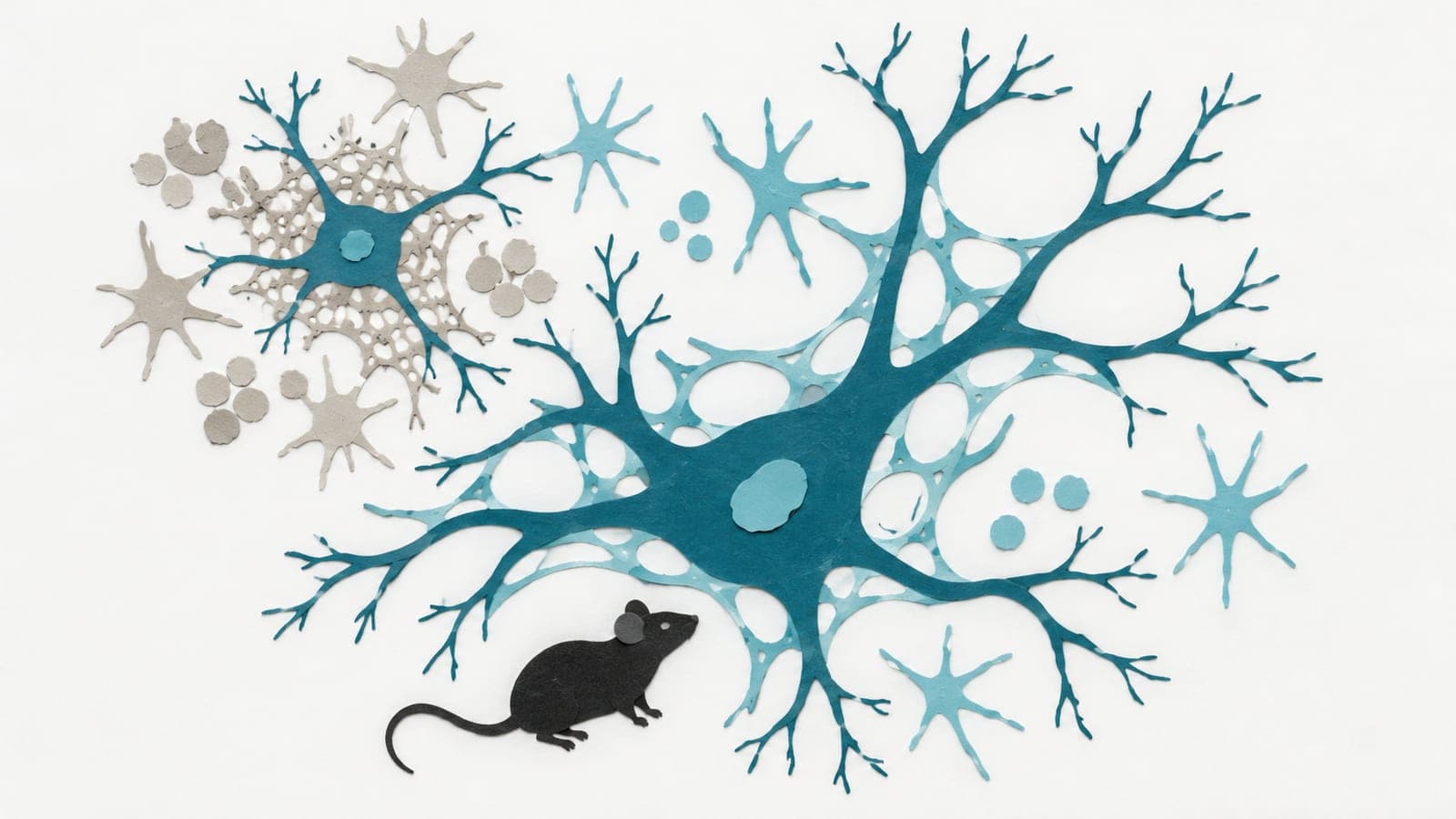
Parvalbumin (PV) neurons in the basal forebrain (BF) orchestrate cognitive functions via extensive brain-wide projections. However, the age-related cognitive decline of their anatomical circuits remains poorly understood. Here, we employed viral tracing and fluorescence micro-optical sectioning tomography (fMOST) to reveal the vulnerability of the BF-PV circuits during aging. Quantitative whole-brain fluorescence intensity analysis revealed that BF-PV neurons projecting to the medial mammillary nucleus (MM) exhibited pronounced age-dependent neurodegeneration, characterized by 81.1% fiber loss and axonal swelling, while those innervating hippocampal CA1 showed a 70.3% reduction in fiber density. Optogenetic interventions demonstrated that selective activation of the BFPV-MM circuit can ameliorate cognitive deficits in old mice, significantly improving the novel object recognition index and its change rate. In contrast, modulation of the BFPV-CA1 circuit showed no significant effects. Moreover, with the whole-brain dataset, we reconstructed the morphology of individual neurons, revealing structural divergence between MM- and CA1-projecting PV neurons. Taken together, our results delineate the optogenetic-targeted activation of the BFPV-MM circuit, which can ameliorate age-related cognitive decline and provide both theoretical and therapeutic foundations for targeting neurodegenerative disorders.
The paper
Wuhan National Laboratory for Optoelectronics; Hainan University
International Journal of Molecular Sciences, 20 Jun 2025